
Recent News


News 19 May 2026
Strengthening Oahu: Window Tint Legislation and Blast Mitigation for 2026
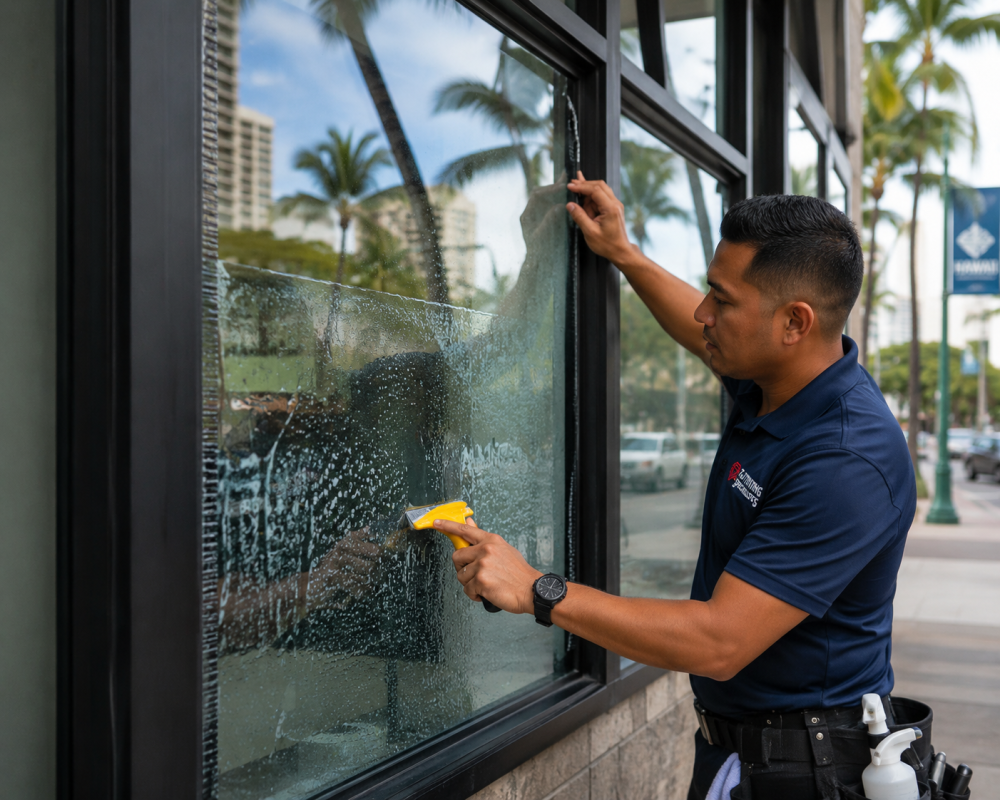
Staying compliant with Hawaii window tint legislation is essential for Oahu drivers and property owners who want to protect their investments while avoiding costly fines. Navigating the complex updates to the Hawaii window tint law ensures you maintain maximum heat rejection and privacy without compromising legal safety standards.
Living in the islands means dealing with relentless solar heat and UV rays that destroy car interiors, fade home furnishings, and drive up energy bills. For vehicle owners, knowing the legal window tint Hawaii allows prevents the headache of failing safety inspections or getting pulled over. For commercial property managers and homeowners, understanding how safety films intersect with local codes is critical for protecting structural glass against severe weather or security threats.
This guide will clarify the exact rules governing the darkest legal tint Hawaii permits for different vehicle types and how advanced blast mitigation films keep your property safe. You'll gain total clarity on current laws so you can confidently choose the right high-performance protection. Let’s dive into the specific legal benchmarks you need to know.
Navigating the Standards of Hawaii Window Tint Legislation
At its core, window tint legislation is the framework of state laws and regulations that dictates exactly how dark and how reflective a vehicle’s window film can legally be. In Hawaii, these metrics are evaluated primarily through Visible Light Transmission (VLT), which is the percentage of light that can pass directly through your vehicle's glass and applied film. The primary objective of these laws is balancing driver comfort and UV protection with the visibility requirements needed for safe nighttime navigation and law enforcement verification.
For Oahu residents, this legislation plays a critical role in your daily safety, financial planning, and vehicle maintenance. With our intense tropical climate, choosing a high-performance film is a necessity to block blistering heat and preserve your car's interior. However, running afoul of the local statutes can trigger failed safety inspections and steep fines ranging from $250 to $500 for vehicle owners. By understanding these legal boundaries, you can effectively avoid the costly mistake of purchasing a cheap, non-compliant film that you will eventually be legally forced to tear off and replace.
The Immediate Benefits of Staying Compliant
- Guaranteed Inspection Passing: Ensures your vehicle seamlessly passes its mandatory Hawaii safety checks without unexpected delays.
- Optimized Thermal Comfort: Allows you to maximize heat rejection legally by utilizing advanced vehicle tinting technology rather than relying strictly on illegal darkness.
- Asset Preservation: Blocks up to 99% of damaging UV rays, protecting your skin and preventing your dashboard from cracking under the Oahu sun.
A frequent misconception is that a film must be dark as a limo tint to effectively reject heat. In reality, modern ceramic films offer elite thermal protection even at entirely legal transparency levels. To explore the full range of solar control and defense options available for your property or vehicle, visit T&T Tinting Specialists to see how our employee-owners match premium performance with perfect legal compliance.
Understanding Your Limits: Hawaii Window Tint Law for 2026
When investing in premium solar control for your vehicle, keeping up with the exact nuances of the Hawaii window tint law ensures you enjoy a cooler ride without risking safety check failure. Keeping your vehicle fully compliant with the latest Hawaii window tint legislation involves understanding specific light transmission percentages across different glass surfaces.
Following recent legislative updates (Act 129), Hawaii has modernized its approach to auto tinting, creating a fairer standard across different vehicle classes while maintaining strict safety baselines for front-seat visibility. Whether you operate a compact sedan, a family SUV, or a work truck on Oahu, the legal requirements are clearly mapped out by specific window placement.
Understanding VLT (Visible Light Transmission)
Before scheduling an installation, it is crucial to understand Visible Light Transmission (VLT). This percentage represents the amount of visible light that can pass through your automotive glass combined with the tint film. A lower VLT percentage means a darker film, while a higher VLT percentage allows more light to enter the vehicle. Hawaii enforces this metric precisely to protect driver visibility and law enforcement safety.
Front Windshield Regulations
For the front windshield, Hawaii allows a non-reflective shade strip (often called an eyebrow) along the very top of the glass. This strip cannot extend past the manufacturer’s AS-1 line, or beyond the top 4 inches of the windshield if no AS-1 line is visible.
Additionally, full windshield films are legally permitted only if the combined glass and film material allows a minimum of 70% VLT. This allows drivers to install highly advanced, nearly clear ceramic films across the entire windshield to block massive amounts of infrared heat and UV rays without altering the transparency of the front glass.
Front Side Windows (Driver & Passenger)
Regardless of whether you drive a sedan, truck, van, or SUV, the front side windows, those immediately next to the driver and front passenger, must have a minimum of 35% VLT.
Hawaii law factors in a ±6% measurement variance to account for different calibration standards on enforcement meters, meaning a window reading as low as 29% VLT can technically pass. However, targeting a true 35% VLT is highly recommended to protect yourself against varying inspection conditions.
Rear Side and Back Windshields
The rules for rear glass depend slightly on the historical layout of your vehicle, though recent modernizations have leveled the playing field:
- SUVs, Trucks, and Vans: The rear side windows and the back windshield can feature any darkness level (including "limo tint"), provided the vehicle is equipped with functional dual side mirrors.
- Sedans and Coupes: Under updated regulations, passenger sedans now enjoy the same freedom as larger utility vehicles. The rear side windows and rear windshield can be any darkness, completely removing the old 35% restriction for the back seats, as long as dual side mirrors are present.
Strict Prohibitions and Requirements
When choosing a film, aesthetics must align with state boundaries. Hawaii explicitly bans all mirrored, metallic, or highly reflective tint finishes that produce a distinct red, yellow, amber, or blue appearance from the exterior.
Furthermore, the law mandates that automotive tint installers provide a certificate of compliance to the customer, which must be kept inside the vehicle at all times to verify legality during a traffic stop or annual safety inspection.
To ensure your vehicle receives precision craftsmanship that respects these legal guidelines while maximizing cabin comfort, trust the employee-owners at our dedicated vehicle tinting hubs. We utilize industry-leading FormulaOne materials to keep your car perfectly legal, remarkably cool, and fully protected across Oahu.
Legality in Action: Real-World Tinting Scenarios on Oahu
Understanding how Hawaii window tint legislation operates in everyday practice makes it much easier to select the perfect upgrade for your property or vehicle. Let’s look at how these legal boundaries and high-performance solutions protect local asset owners in real life.
Use Case 1: Balancing Privacy and Compliance for an SUV Owner
A family in Kapolei wanted to maximize rear-seat privacy for their children and block intense afternoon glare without violating the state’s vehicle codes. Because they drive a mid-sized SUV, they took advantage of the flexible provisions within the Hawaii window tint law. They chose an ultra-dark 5% VLT ceramic film for the rear passenger windows and back windshield, while keeping the front driver and passenger glass at a completely legal 35% VLT. The setup successfully dropped interior cabin temperatures by over 15 degrees while ensuring the vehicle passed its annual safety inspection without a single issue.
Use Case 2: Enhancing Security and Style for Downtown Offices
A commercial property manager overseeing a multi-story office building in downtown Honolulu needed to improve tenant comfort and secure lower-level glass partitions against potential vandalism. Working within local architectural rules and commercial building codes, they installed heavy-duty safety film paired with custom glass graphics for the interior storefront windows. The combination instantly eliminated distracting solar glare for employees, cut monthly HVAC cooling costs, and created a reinforced, shatter-resistant barrier across the property's perimeter glass.
These real-world examples show that meeting the standards of local regulations does not mean sacrificing comfort, style, or security. With the right expert guidance, you can seamlessly combine peak legal compliance with world-class surface protection.
Expert Tips for Applying Hawaii Window Tinting Laws Effectively
Leveraging professional field experience is the ultimate way to maximize the performance of your vehicle or building upgrades while aligning perfectly with local statutes. Applying these strategic insights allows you to avoid costly legal pitfalls and get the highest return on your protection investment.
- Never Guess on Factory Glass Transparency: Most modern vehicle windows come from the factory with a built-in tint rating of roughly 70% to 80% VLT. When an installer applies a standard aftermarket film on top of that glass, the combined transparency drops significantly lower. To remain fully compliant with the Hawaii window tint law, always ask your installer to meter the bare glass first so you do not accidentally dip below the legal 35% VLT threshold.
- Capitalize on the Legal Full-Windshield Exemption: Many Oahu drivers do not realize that under current Hawaii car tint law, you can legally tint your entire front windshield using a specialized 70% VLT or higher clear ceramic film. This allows you to block massive amounts of infrared heat and blinding glare without breaking the law or reducing nighttime driving visibility.
- Keep Your Digital Paperwork on Hand: Hawaii law dictates that a valid certificate of compliance must be kept inside your vehicle at all times to prove your tint is legal. When you work with an elite team, ensure they provide this documentation immediately following installation so you can store it safely in your glovebox for seamless safety inspections.
- Factor in Heavy-Duty Commercial Building Protections: For structural properties, window film compliance extends far beyond simple dark shades. If you are upgrading a commercial building, always coordinate with a licensed contractor who understands how solar performance intersects with localized building safety codes. For large-scale Oahu projects, utilizing high-performance commercial tinting ensures your glass achieves optimal energy savings and structural defense while remaining fully code-compliant.
Adhering to these practical guidelines ensures your property or vehicle receives maximum tropical heat defense while staying fully protected under the law.
Secure Your Investment Within Hawaii Window Tint Legislation Boundaries
Navigating the exact parameters of Hawaii window tint legislation ensures your vehicle or commercial property stays perfectly shielded from intense tropical heat while remaining completely within legal boundaries. By matching high-performance solar control with the state's precise light transmission standards, you can completely avoid the stress of failed inspections or surprise traffic fines. Protecting your valuable assets, family, and driving comfort never requires sacrificing compliance.
Taking proactive action today ensures your automotive or building glass delivers optimal infrared defense and physical security before the peak summer heat rolls in. Investing in premium, certified installations backed by comprehensive warranties means long-term peace of mind and lasting structural performance across Oahu. Let our dedicated employee-owners design the ideal, code-compliant defensive barrier for your lifestyle. To explore our elite selection of formula-backed products or to schedule a professional consultation at our specialized Kaka'ako or Airport showrooms, connect directly with T&T Tinting Specialists today.
Frequently Asked Questions Regarding Hawaii Window Tint Legislation
What is the darkest legal tint Hawaii allows for passenger cars?
Under current Hawaii window tint legislation, passenger sedans and coupes must maintain a minimum of 35% Visible Light Transmission (VLT) on the front side windows. For the rear side glass and back windshield, Hawaii law permits any darkness level, including limo tint, as long as the vehicle is outfitted with functional dual side exterior mirrors.
Can I legally tint my full front windshield under the Hawaii window tint law?
Yes, but with strict limitations. The Hawaii window tint law allows you to tint your full front windshield only if the applied film maintains a clear transparency rating of 70% VLT or higher. For darker shades, you are strictly limited to a non-reflective tint strip running along the top 4 inches of the glass or above the factory AS-1 line.
What are the financial penalties for violating Hawaii car tint law?
Failing to comply with the Hawaii car tint law during a traffic stop or routine inspection carries substantial out-of-pocket costs. Violators face state fines ranging from $250 to $500 per infraction for individual vehicle owners, while commercial window film businesses caught applying illegal materials face steeper penalties between $500 and $1,000.
Does Hawaii allow medical exemptions for darker automotive window film?
Yes, under Hawaii Revised Statute § 291-21.5, the Hawaii Department of Transportation permits medical exemptions for individuals with severe photosensitivity, lupus, or specific skin and eye conditions. To qualify legally, you must secure an original, signed certificate of exemption from a licensed local physician and carry it in your glove box.
How do I ensure my new vehicle tint is completely code-compliant?
The most reliable step is to avoid uncertified mobile setups and partner exclusively with an established, licensed professional team. Legitimate shops utilize precision digital meters to test your glass boundaries and will provide an official certificate of compliance. If you are upgrading your property, choosing specialized commercial tinting services guarantees your glass adjustments satisfy both local traffic codes and commercial building safety laws.
 .
.  .
.