
Recent News


News 10 June 2026
Stay Cool and Compliant: High-Rejection Films and the AS-1 Line

If you are tired of Hawaii’s intense sun but worried about legal restrictions, the AS-1 line offers the perfect solution for keeping your vehicle cool while staying fully compliant. By installing high-rejection clear window film along the top of your windshield, you can significantly reduce interior heat and glare without obstructing your view or violating local tint regulations. For many drivers, the fear of an expensive ticket often stops them from upgrading their automotive window tint, but this specialized area is designed specifically to offer relief within the law. In this guide, you will learn exactly how this technology works, why it is a smart investment for your daily commute, and how to choose the right protection for your car. Let’s explore why the AS-1 line is the go-to choice for smart, protected driving.
Understanding the AS-1 Line and Windshield Protection
The AS-1 line refers to the area at the top of a vehicle’s windshield where the glass is marked with a specific "AS-1" designation, indicating the maximum allowable limit for non-transparent sun strips. By applying a high-performance heat rejection window film to this specific section, drivers can effectively block harsh overhead sunlight and glare without compromising their forward visibility. At T&T Tinting Specialists, Inc., we prioritize both comfort and safety, ensuring that every installation adheres to legal standards while providing the relief our customers need during Hawaii’s sunniest days.
Using the AS-1 line correctly matters because it provides a functional barrier against UV damage and heat gain where the sun hits the hardest. For families and commuters, this means significantly cooler interior temperatures and reduced eye strain during long drives. Instead of suffering through glare or relying on flimsy visor extenders, you gain a professional, permanent layer of protection that integrates seamlessly with your windshield.
Key benefits of utilizing this space for high-end protection include:
- Enhanced Comfort: Drastically reduces infrared heat that penetrates through the top of the windshield.
- Glare Reduction: Minimizes blinding sunlight, allowing for a safer and more focused driving experience.
- UV Shielding: Protects your skin and dashboard from the damaging effects of daily sun exposure.
A common misconception is that all windshield applications are illegal. However, when you choose the right automotive window tint and follow the AS-1 parameters, you are well within legal boundaries. Understanding this distinction allows you to upgrade your vehicle with confidence and peace of mind.
Achieving Superior Heat Rejection and Style Within the Law
Optimizing your vehicle’s windshield for solar control is about finding the perfect balance between high-performance technology and regulatory compliance. By focusing your efforts on the AS-1 line, you can leverage premium automotive window tint solutions that provide maximum cooling benefits while remaining fully legal. This area of your windshield is the ideal real estate for advanced materials that block infrared energy without sacrificing the clarity needed for safe driving.
Why the AS-1 Line is the Gold Standard for Windshield Protection
The AS-1 line is a manufacturer-defined marking, usually found in the corner of your windshield, that denotes how far down a non-transparent film can legally extend. Choosing to install a high-rejection film in this specific zone provides three distinct advantages for Hawaii drivers:
- Direct Sunlight Filtration: In the tropics, the sun is often at its most intense directly overhead. A correctly placed sun strip acts as a permanent, high-performance visor that works whether your factory visors are up or down.
- Infrared (IR) Rejection: Modern ceramic tint technologies are designed to filter out the infrared light responsible for heat buildup. By using these advanced materials in the AS-1 zone, you stop heat before it ever enters your cabin.
- No Visibility Compromise: Because this film is applied only to the top portion of the glass, your primary field of vision remains clear, ensuring your vehicle remains a legal window tint setup that satisfies safety inspectors and traffic laws.
Choosing the Right Technology for Your Sun Strip
Not all films are created equal when it comes to the windshield. When selecting a product, focus on the following categories to ensure you get the best return on your investment:
- Ceramic-Based Films: These are the pinnacle of solar performance. They provide the highest heat rejection without needing to be dark, which is perfect for maintaining a professional look while maximizing interior cooling.
- Clear or Light-Tinted Films: If you prefer a factory-style look, you can select high-performance films that offer significant heat rejection without a dark appearance. These are excellent if you want the comfort benefits of a windshield sun strip without a dramatic aesthetic change to your vehicle.
- UV Protection Layers: Since the windshield is your largest piece of glass, it is the primary entry point for harmful UV rays. A quality film in the AS-1 area helps prevent interior fading and provides an essential shield for your skin during long commutes.
The Professional Installation Advantage
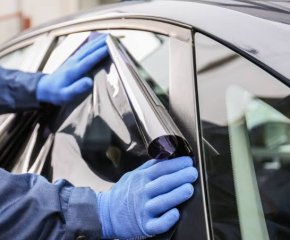
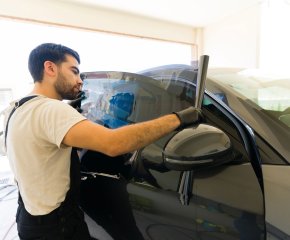
While the concept seems straightforward, the installation process requires a high level of precision. Because windshields are curved, the film must be heat-shrunk and custom-cut to fit the glass perfectly.
- Custom Fitting: A professional technician will hand-cut the film to follow the contours of the AS-1 mark exactly, ensuring no jagged edges or peeling corners.
- Contamination Control: Windshields are prone to dust and debris. A clean, controlled environment, like our professional showrooms, is essential to ensure the film is applied without trapped particles, which would be highly distracting in your line of sight.
- Warranty Backing: By choosing a professional shop, you ensure the film is applied with the correct pressure and technique, which validates the manufacturer’s warranty and guarantees the film won't bubble or purple over time.
By utilizing the AS-1 zone for a high-rejection ceramic film, you transform your daily drive into a cooler, more comfortable experience. You aren't just adding a strip of shade; you are integrating smart, high-performance technology that preserves your vehicle’s interior and improves your overall driving comfort every time you get behind the wheel.
Practical Applications: Real-World Benefits of Targeted Windshield Protection
Transitioning from theory to practice is simple when you see how a focused windshield application solves daily annoyances for Hawaii drivers. Here is how local residents use the AS-1 line to stay comfortable and legal.
Case 1: The Daily Commuter’s Relief A driver commuting from the North Shore to Honolulu struggled with blinding glare during their early morning and late afternoon drives. They felt fatigued and found themselves squinting constantly, even with their factory visors down. By having a high-rejection ceramic tint strip applied to the AS-1 line, they achieved an immediate reduction in both heat and direct sun glare. The result was a noticeably cooler cabin and a more relaxed, safer driving experience that lasted throughout the year.
Case 2: Protecting Interior Luxury A luxury car enthusiast was concerned about the long-term effects of Hawaii’s intense UV exposure on their vehicle’s leather dashboard and steering wheel. They wanted a solution that offered maximum UV protection without changing the look of their front windshield. A professional installer applied a clear, high-rejection film specifically within the allowed AS-1 zone. This invisible layer effectively blocked the vast majority of harmful rays, preventing fading and keeping the interior materials in pristine condition.
These examples show that a strategic application in this specific area provides significant real-world relief. You can apply these same principles to your own vehicle to enjoy a cooler and more protected commute.
Professional Tips for Maximizing Your Windshield Sun Strip
Understanding the technical aspects of your windshield is only half the battle; knowing how to maintain that protection is what ensures long-term comfort. These expert insights will help you get the most out of your AS-1 line application and keep your vehicle’s glass performing at its peak.
- Prioritize Quality Over Shade: Don't assume that darker film provides better heat rejection. The most effective heat rejection window film is often clear or lightly tinted ceramic, which blocks infrared energy without sacrificing visibility. Choosing premium ceramic materials for your AS-1 line provides superior cabin cooling while maintaining a clean, factory-like aesthetic that keeps your car looking sophisticated and professional.
- Use Proper Cleaning Techniques: Your windshield’s sun strip requires the same care as the rest of your windows. Avoid ammonia-based glass cleaners, which can cause film to discolor or peel over time. Using a microfiber cloth and a gentle, soap-and-water solution is the best way to maintain clarity. For detailed care instructions, refer to our window film maintenance guide to ensure your investment stays protected.
- Verify Compliance During Consultation: Always discuss local regulations with your technician before installation. While a sun strip in the AS-1 zone is generally standard, confirming the specific VLT (Visible Light Transmission) percentage for your vehicle type ensures your automotive window tint remains fully compliant with Hawaii’s specific laws.
Taking these professional considerations into account ensures that your upgrade is not only effective but also durable and fully compliant with state regulations.
Choosing Expert Protection for Your Windshield
You now have a clear understanding of how the AS-1 line functions as a strategic zone for heat and UV protection. By choosing high-performance materials for your windshield tint, you can significantly lower interior temperatures and reduce glare while maintaining a fully compliant and professional-looking vehicle.
Investing in the right technology now ensures that you aren't just reacting to Hawaii’s intense sun, but actively shielding your vehicle and yourself from its long-term effects. A smarter, cooler commute is just one expert installation away, giving you the confidence that your car is both comfortable and road-legal.
If you are ready to upgrade your vehicle with precision-fit protection, explore our premium automotive tinting options and book your appointment with T&T Tinting Specialists, Inc. today.
Frequently Asked Questions About Windshield Sun Strips
How does the AS-1 line determine where my tint ends?
The AS-1 line is a manufacturer-mandated marking located on your windshield, typically in the corner, that indicates the maximum legal extent for non-transparent film. It ensures that your windshield tint does not interfere with your primary field of view while still providing effective solar control. By adhering to this line, you maintain a legal window tint setup that balances interior cooling with essential road safety standards.
Is a windshield sun strip effective against heat?
Yes, installing high-rejection ceramic film on your AS-1 line is highly effective at blocking infrared heat. This specific area is where the sun’s rays hit most intensely while driving. By using advanced heat rejection window film, you can significantly lower the cabin temperature and reduce glare, making your commute much more comfortable without needing to apply a dark or illegal tint to the rest of the glass.
Can I use any type of film for my windshield?
While you have options, it is best to use high-performance ceramic film for your AS-1 line applications. Ceramic options offer superior heat rejection and UV protection window film benefits without needing to be dark. For more information on choosing the right material for your specific vehicle and climate needs, you can review our automotive tinting product guide to ensure you are selecting the highest quality and most durable protection available.
 .
.  .
.