
Recent News


News 10 June 2026
Protecting Your Investment: Knowing When to Remove Window Tint and Apply Sacrificial Films

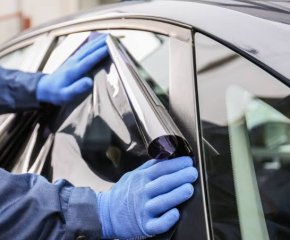
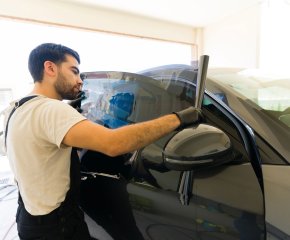
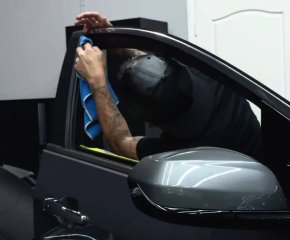
If your existing window film is bubbling, peeling, or failing to reject heat, you need to remove window tint promptly to preserve your property’s appearance and functionality. Leaving damaged film on glass doesn’t just look unprofessional; it can actually compromise the integrity of the underlying surface, leading to costly glass damage over time. Whether it’s a vehicle showing signs of age or a storefront facing constant wear, choosing to remove window tint is often the first step toward a necessary upgrade. Proper window film replacement restores both clarity and energy efficiency, while high-quality protective window film or sacrificial window film can shield your surfaces from future damage. By the end of this guide, you will know exactly when it is time to refresh your films and how to best protect your glass assets. Let’s look at the signs that it is time for a change.
Understanding the Lifecycle of Window Film and Surface Protection
Window film is a high-performance upgrade, but it is not permanent. Over time, factors like Hawaii’s intense sun and salt air can degrade the adhesive or topcoat, making it necessary to remove window tint to maintain both aesthetic appeal and glass performance. When you reach this point, professional window tint removal is essential to ensure the underlying glass remains pristine and ready for a fresh application. If you ignore failing film, you aren't just dealing with an eyesore; you are risking obscured visibility and a decrease in the energy-saving benefits your home or vehicle originally enjoyed. At T&T Tinting Specialists, Inc., we help clients navigate these transition points to ensure their glass always provides maximum comfort and protection.
The decision to replace film often comes down to protecting the asset itself. Modern glass protection film solutions do more than just block heat; they act as a defensive barrier. For commercial property managers, applying a sacrificial window film is a proactive way to safeguard storefronts against graffiti and etching. Instead of replacing expensive glass, you simply replace the film, which is far more cost-effective.
Key benefits of timely film maintenance include:
- Restored Clarity: Removing bubbling or hazy film instantly improves visibility and curb appeal.
- Maintained UV Protection: Fresh film ensures your interior spaces or vehicle cabin remain shielded from harmful rays.
- Long-term Cost Savings: Preventing damage to the glass surface via commercial window tinting or security films avoids the high expense of glass replacement.
Many owners mistakenly wait until the glass is etched or the old film has "baked" onto the surface, making removal significantly more difficult. By understanding the signs of wear early, you can plan your window film replacement before the situation escalates.
Identifying the Signs: When It Is Time to Upgrade Your Window Film
Recognizing when your window film has reached the end of its functional life is the key to preserving the glass beneath. Whether you are managing a residential property or maintaining a vehicle fleet, you don’t need to wait for the film to fall off before you act. Knowing when to remove window tint allows you to maintain the aesthetic and protective standards of your investment before minor issues become permanent glass damage.
Common Visual and Performance Red Flags
Window film is designed to last for years, but environmental factors like intense heat and UV exposure eventually take a toll. You should monitor your film for these specific warning signs:
- Bubbling and Blistering: This is the most common sign of adhesive failure. These bubbles are not just an eyesore; they indicate that the film is losing its bond with the glass. Once this process begins, the film’s clarity is compromised, and it will eventually begin to peel away entirely.
- Color Shift (Purple or Brown Tint): Cheap or aging films often lose their dye stability, turning a shade of purple or brown. This change indicates that the film is no longer effectively blocking UV rays or infrared heat, meaning you are losing the comfort and protection benefits you originally paid for.
- Peeling and Cracking: If the edges of your film are curling or the surface shows fine cracks (often called "crazing"), the integrity of the film is gone. At this stage, it is crucial to remove window tint professionally to prevent the old adhesive from hardening onto the glass surface.
- Reduced Visibility: If the view through your windows has become hazy or distorted, the film may be suffering from oxidation or internal chemical breakdown. This is a safety hazard, particularly for drivers, and a reason to consider a prompt window film replacement.
The Role of Sacrificial Films in Commercial Protection
While standard tinting focuses on solar control, many commercial properties benefit from an additional layer of defense known as sacrificial window film. In high-traffic retail or urban environments, glass is often vulnerable to vandalism, tagging, or intentional scratching.
Rather than dealing with the extreme expense of replacing an entire glass panel, building managers apply a heavy-duty, sacrificial layer. This clear, protective barrier takes the brunt of the abuse. If someone marks or scratches the window, the sacrificial film is easily removed and replaced, leaving the expensive glass underneath completely untouched. This is a critical component of commercial window tinting maintenance, turning a potential disaster into a routine and affordable service task.
Why Professional Removal Matters
You might be tempted to peel away old film yourself, but DIY removal often leads to frustration and damage. Old adhesive can become stubborn, requiring specific, non-toxic solvents to lift without scratching or clouding the glass.
Professional technicians have the equipment to heat the film evenly and remove the adhesive residue thoroughly. This is especially important if you are planning to install high-performance film afterward, as any remaining residue or microscopic scratches can prevent the new film from curing correctly. Whether you are upgrading your vehicle for better heat rejection or refreshing your storefront’s security, professional care ensures the job is done right the first time, keeping your glass clear and protected for years to come.
Real-World Applications: Maintaining Clarity and Protection
Understanding when to address your window film is not just theoretical; it is a practical maintenance habit that pays off in immediate comfort and long-term asset value. Here is how homeowners and business owners successfully manage these transitions in real-world scenarios.
Case 1: The Modernized Home Office A homeowner noticed their residential tint had begun to bubble and turn a distracting, hazy shade of purple, making it difficult to work in their home office. They realized the old film was no longer effectively blocking the afternoon sun, leading to excessive heat buildup and furniture fading. After deciding to remove window tint and opting for a high-performance residential window film, they immediately noticed a cooler, more comfortable workspace. The new installation restored their view while simultaneously lowering their monthly energy costs, proving that timely replacement is a smart home investment.
Case 2: Protecting High-Traffic Storefronts A retail manager in a busy district faced persistent issues with graffiti and etching on their display windows, which damaged the shop's professional appearance. Instead of costly glass replacement, they chose to apply a clear, sacrificial window film over their storefront windows. When taggers marked the glass again, the manager simply had the film replaced, ensuring the original glass stayed flawless. This proactive approach significantly reduced maintenance costs and kept the storefront looking pristine, demonstrating why removing window tint or film replacement services are essential for building upkeep.
These scenarios prove that whether for private comfort or commercial durability, taking control of your window film lifecycle keeps your property performing at its best.
Expert Tips for Maximizing Window Film Longevity
Moving from general awareness to proactive maintenance is the hallmark of a savvy property owner. These expert-level insights will help you manage your investment effectively, ensuring your glass surfaces continue to perform under Hawaii’s unique tropical conditions.
- Prioritize Visual Inspections: Don’t wait for a total failure to notice issues. Periodically check your windows for early signs of adhesive breakdown, such as fine lines or slight bubbling at the edges. Spotting these small indicators early allows you to schedule a professional window tint removal long before the old film becomes brittle or bonds permanently to the glass.
- Avoid Harsh Chemical Cleaners: Many household cleaners contain ammonia, which can prematurely break down window films. Always use a soft microfiber cloth and a mild soap-and-water solution to clean your glass. If you are unsure about the compatibility of a product, check our guide on window film maintenance to ensure you aren't accidentally accelerating the need to remove window tint.
- Evaluate Your Environment: If your vehicle or property is constantly exposed to direct, unfiltered sunlight or salt spray, your film may age faster than average. In these high-exposure scenarios, opting for premium, high-performance films at the start of your next window film replacement can offer significantly better UV rejection and durability, ultimately extending the time between services.
Applying these best practices keeps your glass assets in top condition, ensuring you get the full value and protection you expect from a professional installation.
Making the Right Choice for Your Glass Protection
You now have a clear understanding of why timely maintenance is essential for preserving your glass and why knowing when to remove window tint can prevent permanent damage. By staying observant of visual red flags and understanding the unique benefits of protective and sacrificial window film, you are fully equipped to make an informed decision for your vehicle or property. Replacing aging or damaged film is more than an aesthetic fix; it is a vital step in maintaining the energy efficiency, privacy, and safety of your space.
Taking action early protects your underlying glass surfaces from the harsh effects of the tropical environment, ensuring your investment remains in peak condition. Whether you need to refresh your home or secure a commercial storefront, professional support ensures a seamless transition.
If you are ready to restore clarity and performance, contact T&T Tinting Specialists, Inc. today to learn more about our professional window tint removal and installation services.
Frequently Asked Questions About Window Film Care
Can I remove window tint myself at home?
While some attempt to remove window tint using household tools, it is often risky. Improper removal can leave behind stubborn adhesive residue or, worse, scratch the glass surface permanently. Professional technicians have the specialized equipment and non-toxic solvents to lift the film cleanly and safely. If you want to ensure your glass remains in perfect condition for your next window film replacement, professional removal is always the safest route.
What is the difference between standard tint and sacrificial window film?
Standard window tint is designed primarily for solar control, heat rejection, and privacy. In contrast, sacrificial window film is a thicker, clear barrier applied to glass to protect against physical damage like vandalism, etching, or graffiti. When the sacrificial layer is damaged, it is easily removed, keeping the expensive glass surface underneath completely pristine. This makes it an essential choice for high-traffic commercial glass protection.
How do I know when it is time to remove window tint?
You should remove window tint as soon as you notice signs of degradation, such as bubbling, peeling edges, or a noticeable color shift to purple or brown. These indicators show the film is failing to provide UV protection and may eventually bond too tightly to the glass. Addressing these issues early prevents long-term surface damage and keeps your windows clear, safe, and highly functional for years to come.
 .
.  .
.