Recent News
11 November 2026
Maintaining Curb Appeal: Save Your Entryway While Managing How Much is Window Tinting
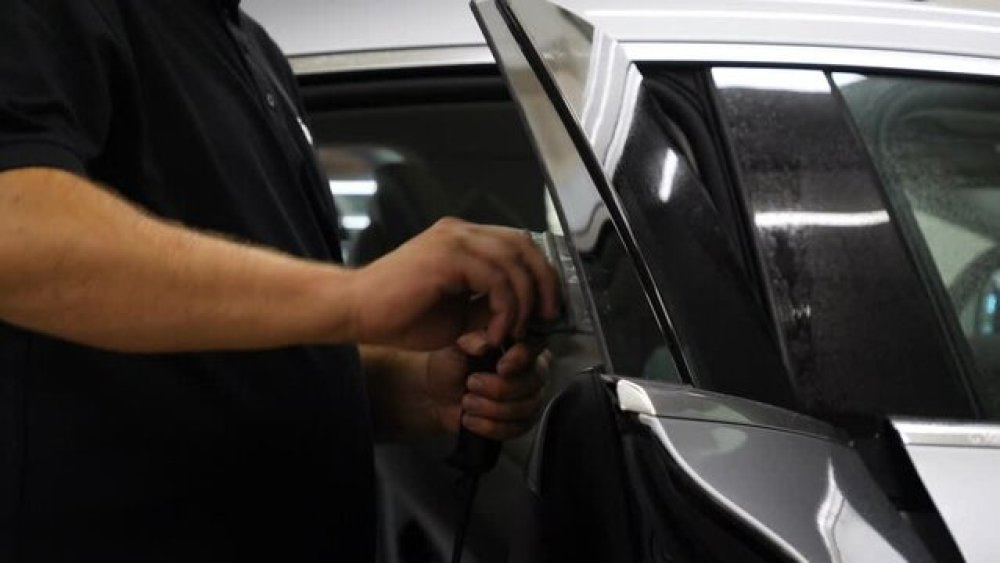
Maintaining Curb Appeal: Save Your Entryway While Managing How Much is Window Tinting
Understanding how much is window tinting starts with evaluating your specific glass coverage, performance needs, and material quality—with professional installations typically ranging from a few hundred dollars for vehicles to custom square-footage pricing for residential entryways. Determining how much is window tinting ultimately depends on whether you are tinting car windows or enhancing home entry glass with long-lasting solar control.
For Oahu homeowners and vehicle owners, relentless sun exposure creates severe heat buildup, damages interior furnishings, and degrades privacy at main entry points. Settling for cheap, low-grade film often leads to early bubbling and purple discoloration, resulting in a higher long-term window tinting cost due to early replacement. Investing in professional-grade film protects your property value while significantly reducing ongoing cooling costs.
In this guide, you will gain clarity on average window tinting prices, understand the primary cost drivers for home and car window tint cost, and discover how to choose the right film technology for your budget. Here is everything you need to know about pricing and value before booking your installation.
Understanding Window Tinting Costs and Long-Term Value
Window tinting is the professional application of ultra-thin, multi-layered micro-polyesters or nano-ceramic films directly to the interior surface of glass. Designed for both vehicles and architectural structures, these high-performance films work by absorbing and reflecting solar radiation, reducing interior glare, and blocking up to 99% of destructive ultraviolet rays.
Rather than acting as a temporary dark shade, modern tinting technology functions as an invisible thermal and protective barrier for your property. When evaluating how much is window tinting, local property owners and drivers must look beyond the initial price tag to understand how solar control impacts daily comfort and asset preservation.
In Hawaii’s intense tropical climate, untreated glass acts as an open doorway for continuous solar heat gain and rapid UV degradation. Without proper solar film, direct sunlight rapidly fades hardwood flooring, damages custom entryway furnishings, and degrades vehicle upholstery, while driving air conditioning systems to operate at maximum capacity.
Asking how much is window tinting allows homeowners and vehicle owners to compare the upfront investment against long-term energy savings, improved interior privacy, and structural preservation. Exploring professional residential window tinting solutions helps property owners protect their entryway curb appeal while lowering monthly utility bills.
Key benefits of investing in professional-grade window film include:
- Superior Solar Heat Rejection: Drastically lowers indoor and cabin temperatures, taking the strain off HVAC and automotive cooling systems.
- 99% UV Ray Defense: Acts as a permanent sunblock to preserve skin health and prevent expensive furniture, flooring, and leather from fading.
- Enhanced Privacy and Glare Reduction: Cuts harsh sun glare on screens while restricting visibility from the outside without sacrificing natural light.
A common misconception is that all dark films perform equally and that a cheaper quote offers the same protection as professional installation. In reality, low-grade dyed films lack heat-rejection technology and break down quickly under heat, whereas advanced vehicle tinting and architectural films utilize nano-ceramic layers that deliver lifetime performance and lasting optical clarity.
Key Factors That Determine How Much Is Window Tinting for Cars and Homes
Calculating how much is window tinting requires looking at specific project variables rather than relying on a single flat estimate. Whether you are upgrading your vehicle's solar defense or adding heat control to residential entryways, knowing how much is window tinting comes down to film composition, surface area, structural complexity, and installation quality.
To make an informed financial decision, property and vehicle owners should evaluate how four primary cost drivers impact final pricing and overall value.
1. Film Technology and Material Grade
The type of film technology you choose is the single largest variable influencing overall window tinting prices. Basic dyed films represent the lowest entry cost, but they rely on dark pigments that absorb heat rather than reject it, leading to bubbling, fading, and purple discoloration over time.
Mid-tier carbon and metallic films offer improved solar performance and color stability. However, top-tier nano-ceramic films—such as FormulaOne and Vista window films—provide maximum heat rejection, blocking up to 99% of UV rays and superior infrared heat without interfering with electronic signals. While ceramic options carry a higher initial investment, their lifetime durability and energy savings make them the most cost-effective choice over time.
2. Vehicle Type, Glass Square Footage, and Architectural Layout
For automotive applications, car window tint cost is determined primarily by the vehicle’s size and glass geometry. Standard sedans require less labor and material than large SUVs, minivans, or vehicles with complex curved rear glass.
For residential entryways and commercial properties, glass tinting is priced by square footage alongside layout complexity. Standard flat glass panes are straightforward to measure and install, whereas custom entryways with sidelights, transom windows, arched frames, or multi-pane French doors require precise hand-cutting and specialized labor.
You can explore high-performance residential window tinting options to see how custom residential glass treatments are measured and tailored for unique home layouts.
3. Removal of Old or Bubbled Tint
If your project involves replacing existing, worn-out film, your total cost of window tinting a car or entryway will include specialized labor for removal. Stripping old, bubbled, or purple film requires careful application of steam and adhesive solvents to clean the glass surface thoroughly without damaging defroster lines or delicate window seals. Properly cleaning the underlying surface is essential to ensure the new film adheres flawlessly without trapped debris or air pockets.
4. Contractor Licensure, Workmanship, and Warranty Security
While mobile installers or non-licensed shops may quote lower upfront prices, working with an established, licensed contractor safeguards your investment. Professional installation ensures film edges are micro-trimmed cleanly, glass seals remain intact, and application complies fully with local Hawaii tint laws.
Furthermore, premium installations come backed by manufacturer-supported lifetime warranties that protect against peeling, bubbling, delamination, and color change.
Choosing an experienced installer guarantees that if issues arise years down the road, your warranty will actually be honored. For property owners seeking comprehensive exterior surface protection alongside glass tinting, combining window film with ultra-durable paint protection films provides complete, long-term asset preservation.
Evaluating these key factors ensures you balance upfront costs with long-term performance, giving you complete confidence in the value of your window tinting investment.
Real-World Applications: Balancing Window Tinting Costs in Everyday Scenarios
Seeing how different property and vehicle owners approach tinting decisions highlights why evaluating performance alongside price yields the best long-term outcome. Here is how real island residents successfully balance how much is window tinting with long-term protection:
- Kaneohe Homeowner (Preserving Foyer and Entryway Curb Appeal): A homeowner in Kaneohe noticed that afternoon sun glare was overheating their main entryway, while UV exposure was fading their mahogany front door trim and hardwood flooring.
Concerned about high window tinting prices, they requested a customized estimate for solar control film. By applying premium residential window tinting, they eliminated 84% of solar heat gain, reduced indoor entryway temperatures by over 10 degrees, and protected their expensive entryway furnishings without darkening the glass.
- Kapolei SUV Owner (Managing Daily Cabin Heat): A parent commuting daily across West Oahu struggled with extreme interior heat that made car seats uncomfortably hot for their children. Wanting to know how much is window tinting for a large family vehicle, they compared budget options against high-performance ceramic film.
Investing in professional ceramic tint lowered their overall car window tint cost impact over time by significantly cutting AC usage and preserving leather upholstery.
- Kaka'ako Storefront Owner (Enhancing Security and Glare Control): A commercial retailer in Kaka'ako wanted to protect merchandise from fading while reducing afternoon glare for customers. They opted for high-performance solar control glass film to stabilize interior temperatures and lower monthly utility bills across their main entrance.
These practical examples show that understanding how much is window tinting allows you to select a tailored solution that protects your property, reduces energy costs, and delivers lasting everyday comfort.
Smart Tips to Get the Best Value When Estimating How Much Is Window Tinting
Navigating how much is window tinting requires looking beyond upfront quotes to ensure long-term durability and heat rejection performance. Applying these expert strategies helps you secure maximum value while managing overall window tinting prices effectively.
- Prioritize Total Cost of Ownership Over Upfront Savings: Choosing low-grade dyed film might save money initially, but rapid fading and bubbling quickly lead to costly removal and replacement fees. Investing upfront in high-performance ceramic film ensures lifetime heat rejection and stability, keeping your long-term average price for window tinting significantly lower over your ownership period.
- Verify Contractor Licensure and Warranty Backing: Always verify that your installer holds official state licenses and offers manufacturer-backed lifetime warranties.
Working with a fully credentialed contractor ensures your film complies with legal visible light transmission (VLT) limits while guaranteeing your installation is fully protected against peeling or delamination.
- Combine Glass and Surface Protection Services: If you are upgrading your vehicle, consider bundling glass treatments with paint protection films during a single appointment. Combining service appointments streamlines labor, saves time, and maximizes total asset preservation across your car's exterior and cabin interior.
- Request Custom On-Site Estimates for Architectural Glass: For home entryways or office fronts, avoid relying solely on phone estimates. Scheduling an on-site consultation allows technicians to measure precise square footage, evaluate sun exposure angles, and recommend specialized film types tailored directly to your building's architecture.
Following these practical recommendations ensures that every dollar spent on your installation delivers exceptional comfort, legal compliance, and long-lasting glass protection.
Make Informed Decisions When Planning How Much Is Window Tinting
Understanding how much is window tinting empowers you to balance upfront material costs against long-term heat rejection, UV protection, and asset preservation. Whether you are protecting a home entryway from severe fading or enhancing your vehicle's driving comfort, evaluating total cost of ownership ensures you select a film technology that lasts.
By prioritizing manufacturer warranties and licensed installation expertise over cheap temporary options, you lock in lasting value and peace of mind. Taking action now prevents irreversible sun damage to expensive furnishings, lowers monthly cooling bills, and protects your vehicle's interior before harsh weather takes a toll.
Securing expert glass treatment today gives you complete confidence in both your property's protection and its overall curb appeal. If you are ready to evaluate exact options for your home or vehicle and determine how much is window tinting for your specific project, explore our full range of high-performance window tinting solutions and schedule your consultation with T&T Tinting Specialists today.
Frequently Asked Questions About Window Tinting Costs
How much is window tinting for a vehicle on average?
The overall window tinting cost for a passenger vehicle generally ranges from $250 to $800 depending on film selection and vehicle type. Basic dyed films sit on the lower end of the pricing spectrum, while high-performance ceramic options like FormulaOne film carry a higher initial investment due to advanced infrared heat rejection, superior clarity, and lifetime warranty backing.
Is ceramic film worth the higher window tinting prices?
Yes, ceramic film is worth the higher upfront cost because it rejects significantly more solar heat than traditional dyed films without darkening your view or interfering with electronics.
When evaluating how much is window tinting over the life of your vehicle, nano-ceramic technology provides total cost-of-ownership savings by keeping your cabin cooler, protecting leather seats, and never turning purple or bubbling under intense UV exposure.
Can residential window tinting lower my monthly energy bills?
Yes, applying residential solar control film directly cuts cooling expenses by blocking up to 84% of incoming solar heat before it enters your home. By keeping indoor foyer and living area temperatures lower, your air conditioning system runs less frequently. This energy efficiency helps offset initial car window tint cost or architectural tint expenses through reduced monthly electric bills.
How does glass layout affect the overall cost of window tinting a car or home?
Complex glass shapes, rear window defroster lines, and intricate architectural layouts increase labor time and overall installation pricing. For vehicles, larger SUVs with multiple side panes require more material than compact coupes.
For homes, custom front entryways featuring sidelights, transoms, or multi-pane French doors require precise hand-cutting, which slightly increases pricing compared to standard flat glass panes. You can explore specialized commercial window tinting to see how large-scale architectural glass projects are measured and quoted.
About the Author
Ryan Malaluan, CAPM®, is an SEO & Content Strategist with over 8 years of experience in SEO, content strategy, and digital marketing. He holds a Bachelor of Arts in Literature and is a Certified Associate in Project Management (CAPM®). Throughout his career, Ryan has worked with brands including Spacer, Airtasker, Marlee (formerly Fingerprint for Success), VEED.IO, and ROSEMET LLC, as well as several digital marketing agencies, helping businesses strengthen their organic visibility through strategic, results-focused SEO and content.
 .
 .