
Recent News

11 November 2026
Hydrophobic Shielding: Keeping Your Paint Safe with Ceramic Coating for Cars
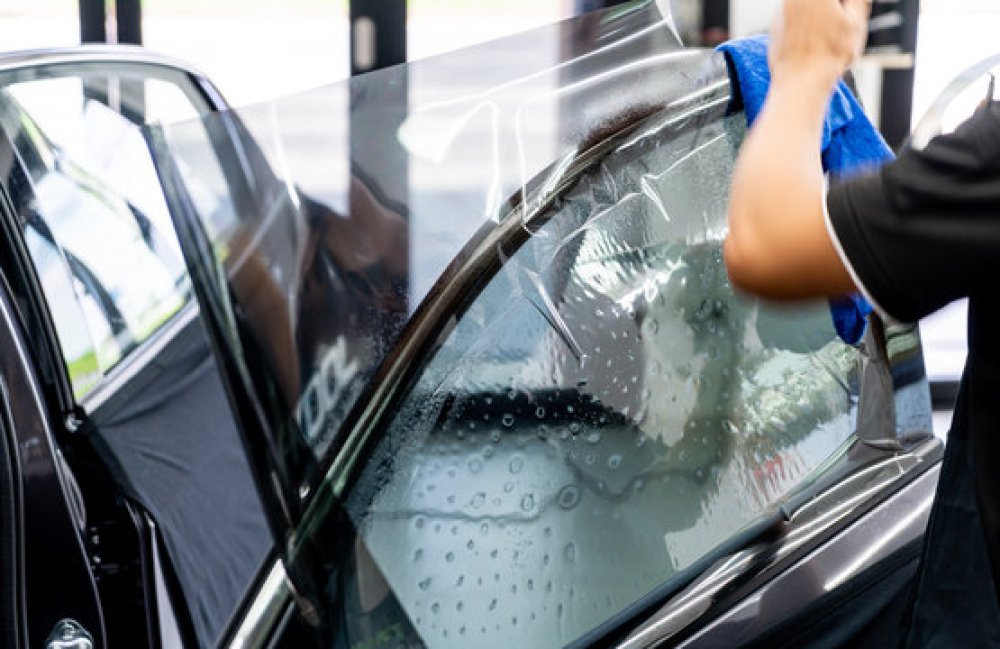
Hydrophobic Shielding: Keeping Your Paint Safe with Ceramic Coating for Cars
Applying a professional ceramic coating for cars shields vehicle paint with a semi-permanent, hydrophobic nano-ceramic layer that repels water, prevents chemical staining, and guards against intense tropical UV degradation. Unlike temporary waxes or off-the-shelf sealants that wash away in months, high-grade ceramic coating for cars chemically bonds directly with your vehicle's factory clear coat to form a durable, glass-like barrier.
For Hawaii car owners, constant exposure to harsh island elements—including intense solar radiation, salt air, tree sap, and acidic bird droppings—accelerates clear coat oxidation and ruins paint finish rapidly.
Without robust car paint protection coating, these environmental hazards penetrate untreated paint, leading to permanent discoloration, microscopic etching, and severe resale value loss. Investing in professional automotive ceramic coating preserves your vehicle’s factory gloss while drastically simplifying routine maintenance.
By reading this guide, you will gain a clear understanding of how hydrophobic nano-technology works, discover the practical benefits of long-term ceramic paint protection, and learn how to select the ideal surface protection solution for your vehicle. Here is how advanced ceramic technology keeps your paint looking brand new in any environment.
What Is Ceramic Coating and Why Does Your Vehicle Need It?
A ceramic coating for cars is a liquid polymer formula containing silicon dioxide (SiO2SiO_2SiO2) or silicon carbide (SiCSiCSiC) that chemically bonds with a vehicle’s factory clear coat.
Rather than sitting on top of the paint like traditional waxes, this liquid nanotechnology cures into a smooth, hydrophobic shield. Once hardened, it forms a crystal-clear, micro-thin layer of protection that repels liquids, blocks contaminants, and enhances natural paint depth.
For Oahu drivers, environmental exposure makes paint preservation a constant battle. Intense tropical sunlight breaks down unprotected clear coats, while salt air, ocean spray, trade-wind dust, and tree sap cause permanent etching. Without durable ceramic paint protection, your vehicle’s exterior dulls quickly, lowering its aesthetic appeal and long-term market value.
Choosing professional ceramic coating for cars creates an impenetrable barrier that keeps harmful contaminants from contacting your paint directly. Drivers often combine this liquid protection with paint protection films on high-impact areas for total surface defense against road debris and physical scratches.
Key practical advantages of applying an automotive ceramic coating include:
- Extreme Hydrophobic Repellency: Water, mud, and road grime bead up and slide off effortlessly, keeping your car cleaner for much longer.
- UV and Oxidation Defense: Blocks destructive ultraviolet rays, preventing clear coat fading, chalking, and paint discoloration.
- Effortless Maintenance: Dirt cannot bond to the super-slick, glass-like surface, turning labor-intensive wash routines into quick, simple rinses.
A common misconception is that a ceramic shell renders a vehicle completely immune to rock chips or deep scratches. In reality, while ceramic formulas increase scratch resistance against light swirl marks, heavy physical impact requires physical film barriers—a distinction that highlights why proper product selection matters for complete protection.
The Science of Hydrophobic Shielding: How Ceramic Coatings Protect Your Vehicle
Understanding how a professional ceramic coating for cars preserves your paint requires examining the molecular transformation that occurs on your vehicle's exterior. Applying high-grade ceramic coating for cars creates a semi-permanent bond with factory paint, transforming a porous clear coat into a glass-smooth surface that actively repels liquid, grime, and environmental pollutants.
To help vehicle owners evaluate this long-term investment, let's explore how nanotechnology functions across three vital protective pillars: hydrophobic self-cleaning properties, chemical resistance, and long-term surface preservation.
1. Hydrophobic Self-Cleaning Properties and Water Beading
The defining feature of advanced ceramic coating for automobiles is its extreme hydrophobic effect. At a microscopic level, factory clear coat contains tiny valleys, pores, and imperfections where water and dirt collect.
- High Contact Angle Beading: Ceramic polymers fill these microscopic pores, creating a flat surface with a high contact angle (>110∘>110^\circ>110∘). This forces water to instantly form tight, spherical beads rather than spreading out into sheets.
- The "Self-Cleaning" Effect: As water beads roll off the slick surface, they capture loose dirt, road grime, and dust particles, carrying them away effortlessly during rainfall or light rinses.
- Reduced Water Spotting Risk: Because water cannot cling to the super-smooth barrier, mineral-laden drops slide off before the sun can evaporate them and etch mineral rings into your paint.
2. Defense Against Harsh Chemical Staining and UV Rays
Vehicle owners on Oahu face constant environmental hazards that degrade factory finishes. Rainwater, tree sap, and salt mist carry corrosive agents that eat into raw paint layers if left unaddressed.
- UV Degradation Resistance: Constant solar radiation oxidizes clear coat resins, causing gloss failure, fading, and peeling. Applying a professional ceramic car coating filters out damaging ultraviolet rays to keep your vehicle's color rich and vibrant.
- Chemical Neutralization: Organic contaminants like acidic bird droppings or bug splatter carry low pH levels that permanently etch factory clear coats within hours under the sun. The ceramic shell acts as a sacrificial chemical shield, preventing corrosive compounds from reaching the underlying paint.
- Salt Air Mitigation: For island drivers, salt spray accelerates paint breakdown. The non-porous structure of ceramic coatings for cars stops airborne salt from binding to metals or clear coats.
3. Surface Preservation vs. Traditional Waxes and Sealants
Many drivers question whether professional coatings are worth the difference in price when compared to consumer waxes. The distinction comes down to durability, bonding mechanisms, and long-term paint protection performance.
- Chemical Bonding vs. Surface Sitting: Carnauba waxes melt away quickly under heat and wash off with standard car soaps because they only rest on top of the surface. Synthetic coatings cross-link with the clear coat molecules, forming a unified layer that lasts for years.
- Enhanced Scratch and Swirl Resistance: While not bulletproof, the hardened surface shell shields against fine swirl marks caused by improper hand washing, drying towels, or light dusting.
- Preserving Vehicle Resale Value: Maintaining flawless paint depth and candy-like gloss ensures your vehicle commands maximum trade-in or private sales value over time.
Investing in advanced hydrophobic technology turns maintenance routines into simple rinses while protecting your vehicle's finish against the harsh island climate.
Real-World Applications: Ceramic Coating Protection in Action
Seeing how advanced surface protection performs in everyday island conditions helps illustrate its practical value for vehicle owners across Oahu. Here is how local drivers leverage a ceramic coating for cars to keep their paint pristine under distinct real-world demands:
- Kailua Commuter (Daily Coastal & Sun Exposure): A daily commuter driving from Kailua to Honolulu faced constant exposure to salty ocean breezes, intense afternoon UV rays, and road grime.
Tired of waxing every few weeks, the owner scheduled an installation of high-grade ceramic coating for vehicles. The hydrophobic surface now sheds rain and salt spray effortlessly, keeping the finish glossy with just a quick bi-weekly wash.
- Kaka'ako Luxury Sedan Owner (Preserving Factory Gloss): The owner of a brand-new luxury sedan in Kaka'ako wanted to protect their factory clear coat against stubborn tree sap and acidic bird droppings near open parking lots.
They paired their paint protection with premium vehicle tinting to shield both the exterior paint and interior upholstery from solar damage. This combined defense preserved the car’s deep candy shine while completely preventing chemical etching on the hood and roof.
- Ewa Beach SUV Owner (Simplifying Family Vehicle Maintenance): A busy parent managing a family SUV in Ewa Beach applied a protective layer to eliminate tedious weekend scrubbing. Thanks to the self-cleaning effect, baked-on mud and island dust rinse off in minutes using a low-pressure garden hose.
These real-world scenarios demonstrate that applying a ceramic coating for cars yields immediate, measurable convenience and reliable long-term surface defense for any vehicle.
Expert Tips to Maximize the Longevity of Your Ceramic Coating
Knowing how to properly maintain your treated vehicle is the difference between short-term satisfaction and multi-year paint protection. These practical maintenance practices help you maximize the hydrophobic performance of your ceramic coating for cars while preserving a flawless shine.
- Use the Two-Bucket Wash Method to Avoid Swirls: Wash your vehicle using two separate buckets—one for soap solution and one filled with clean water to rinse your microfiber wash mitt. Rinsing dirt out before dipping back into the soap prevents trapped grit from scratching your ceramic paint protection? layer.
- Select pH-Neutral Car Shampoos: Wash exclusively with gentle, non-stripping automotive soaps that contain zero harsh detergents or added waxes. Heavy-duty degreasers can prematurely break down topcoat hydrophobic layers, while wax additives leave behind residues that clog the glass-like shell and dull your car paint protection coating?.
- Incorporate Microfiber Drying Towels: Never allow tap water or rainwater to air-dry on vehicle panels under Hawaii's hot sun. Gently dry the paint using plush microfiber towels alongside premium glass graphics care techniques to eliminate mineral water spots while preserving high-gloss surface clarity.
- Address Chemical Contaminants Immediately: Spot-clean bird droppings, tree sap, and crushed insects as soon as you notice them using a soft microfiber cloth and quick detailer. Even though a professional ceramic coating for cars acts as a chemical barrier, removing acidic contaminants promptly prevents temporary topcoat etching.
Following these expert best practices ensures your investment remains crystal-clear, durable, and highly hydrophobic for years to come.
Protect Your Investment with Long-Lasting Ceramic Defense
Investing in a professional ceramic coating for cars transforms everyday vehicle maintenance while providing robust, multi-year paint protection. By creating a durable, hydrophobic barrier against intense tropical UV rays, salt spray, and acidic contaminants, this advanced treatment preserves your factory clear coat and maintains an unbeatable glass-like shine. Understanding how nano-technology shields your finish makes it easy to choose superior surface preservation over temporary traditional waxes.
Taking action today protects your vehicle's exterior before environmental exposure causes irreversible clear coat oxidation or costly finish damage. Elevating your car's protection ensures long-term resale value, effortless washing, and total peace of mind every time you drive.
Ready to experience Hawaii's ultimate high-gloss paint protection? Visit T&T Tinting Specialists today to explore our premium ceramic coating for cars solutions and consult with our employee-owner experts.
Frequently Asked Questions About Ceramic Paint Protection
Is a ceramic coating for cars better than traditional car wax?
Yes, a professional ceramic coating for cars provides far superior protection, durability, and gloss compared to conventional car wax. While carnauba waxes sit loosely on paint and break down within a few months under solar heat, a nano-ceramic liquid chemically bonds with factory clear coats. This produces a durable, hydrophobic barrier that repels water and resists chemicals for years rather than weeks.
How long does professional ceramic paint protection last on a vehicle?
When applied by experienced technicians and maintained with proper washing habits, high-grade ceramic coatings for cars can last anywhere from two to five years or longer. In Hawaii’s climate—where intense solar radiation and airborne salt accelerate clear coat wear—professional application ensures maximum cross-linking density, keeping your vehicle’s finish hydrophobic and protected against oxidation far longer than consumer sealants.
Does an automotive ceramic coating prevent rock chips and deep scratches?
No, liquid ceramic polymers do not provide sufficient thickness to stop high-velocity stone impacts or deep physical scratches. While an automotive ceramic coating hardens clear coats to minimize light wash swirls and towel marring, heavy physical protection requires installing clear paint protection films on high-impact areas like bumpers, hoods, and side mirrors.
Can I wash my car normally after applying a ceramic coating?
Yes, but you should wait at least seven days for the liquid polymer to cure fully before washing. Once cured, maintenance becomes significantly easier due to the smooth, self-cleaning surface. Always use a pH-neutral shampoo and clean microfiber towels, avoiding automated brush car washes that use harsh recycled water or abrasive nylon bristles that mar protective topcoats.
About the Author
Ryan Malaluan, CAPM®, is an SEO & Content Strategist with over 8 years of experience in SEO, content strategy, and digital marketing. He holds a Bachelor of Arts in Literature and is a Certified Associate in Project Management (CAPM®). Throughout his career, Ryan has worked with brands including Spacer, Airtasker, Marlee (formerly Fingerprint for Success), VEED.IO, and ROSEMET LLC, as well as several digital marketing agencies, helping businesses strengthen their organic visibility through strategic, results-focused SEO and content.
 .
 .