
Recent News


News 12 May 2026
Surviving the May Heat: Why 30 Window Tint Balances IR and Solar Rejection
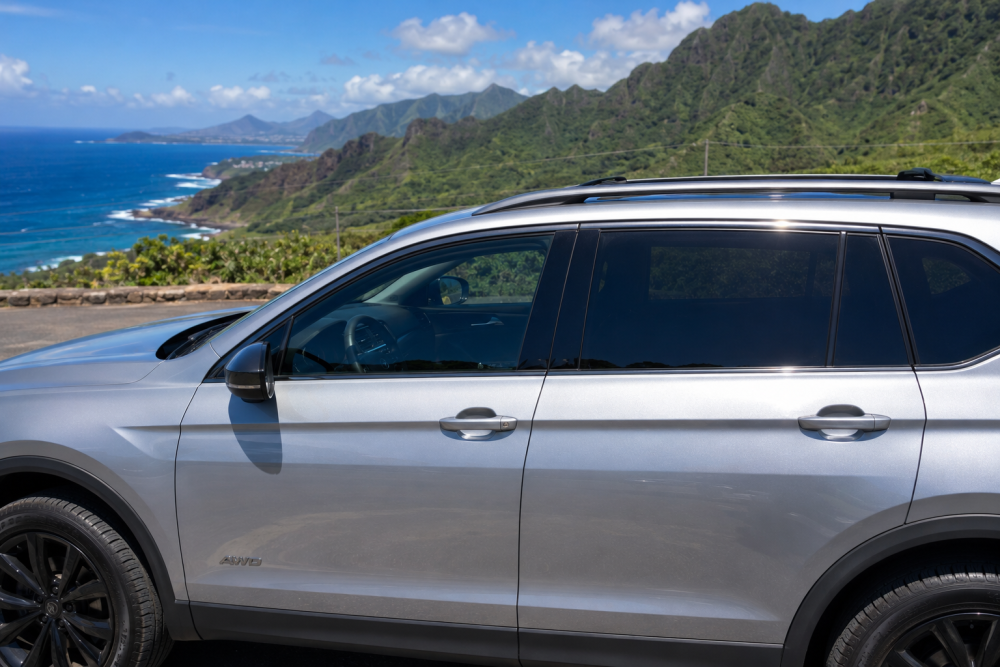
As the May sun begins its intense climb over Oahu, choosing a 30 window tint provides the ideal middle ground for drivers who want maximum heat rejection without sacrificing nighttime visibility. A 30 percent tint effectively blocks a massive percentage of infrared heat and UV rays, ensuring your car stays cool during those humid afternoon commutes through Honolulu.
For Hawaii families, the "May Heat" isn't just a minor inconvenience; it's a threat to your vehicle’s interior and your skin’s health. Without a high-performance 30 car window tint, the tropical sun can quickly crack leather upholstery and turn your cabin into an oven, forcing your AC to work overtime and burning through fuel. Understanding how VLT (Visible Light Transmission) levels interact with solar energy is the key to protecting your investment.
In this guide, you will learn why 30 percent VLT nano ceramic window film is the "sweet spot" for performance and legal compliance. We’ll break down the technical balance between shade and safety so you can make an informed choice for your vehicle.
The Science of Shade: How 30 Percent Tint Optimizes Performance
A 30 window tint refers to a film that allows approximately 30% of visible light to pass through your glass, technically known as its Visible Light Transmission (VLT). While many people choose a tint based solely on how dark it looks, the real magic of a 30 percent VLT nano ceramic window film lies in its ability to filter out the invisible spectrum, specifically infrared (IR) rays and ultraviolet (UV) radiation, without making the windows so dark that they become a safety hazard.
For Oahu residents, this specific shade matters because it strikes a professional balance between aesthetics and utility. At T&T Tinting Specialists, we see firsthand how the intense May sun affects local drivers. If a tint is too light, you’re blinded by glare; if it’s too dark, navigating unlit streets in neighborhoods like Manoa or the North Shore becomes a challenge. By choosing high-quality automotive window tinting, you aren’t just "darkening" your windows; you are installing a thermal barrier that protects your family from skin damage and keeps your car’s interior from reaching triple-digit temperatures.
Key Advantages of the 30% Sweet Spot:
- Superior Heat Rejection: Advanced ceramic versions of 30 tint can reject up to 90% or more of infrared heat, keeping your cabin significantly cooler than standard films.
- Glaze Reduction: It cuts down the harsh reflection off the ocean and pavement, reducing eye strain during long commutes.
- Privacy & Style: It provides a sleek, charcoal aesthetic that offers privacy for your belongings without looking "blacked out."
- UV Protection: It acts as a total sunblock, stopping 99% of harmful rays that cause upholstery fading and skin aging.
A common mistake is assuming that "darker always equals cooler." In reality, a cheap, dark film might block light but still let heat soak through. This is why understanding the technology behind our products is essential, it’s the material, not just the color, that does the heavy lifting. This leads us to the critical distinction between basic films and the advanced IR-rejection technology found in ceramic options.
Balancing Shade and Science: Why 30 Percent Tint is the Optimal Choice
Choosing the right 30 window tint is about more than just picking a shade; it is about engineering a specific environment inside your vehicle. In Hawaii’s tropical climate, the goal is to maximize heat rejection while maintaining a level of clarity that keeps you safe during a rainy night in Kaneohe. By selecting a 30 percent tint, you are opting for a balanced VLT that addresses glare, heat, and privacy in equal measure.
The Power of Nano Ceramic Technology
When you explore our automotive window tinting options, you’ll notice that not all films are created equal. A standard dyed film might give you the look of 30 tinted windows, but it lacks the heavy-duty protection of ceramic.
30 percent VLT nano ceramic window film contains non-conductive, non-metallic particles that are small enough to stay invisible to the naked eye but large enough to intercept solar energy. Unlike metallic tints, ceramic films won’t interfere with your GPS, cellular signal, or keyless entry systems. This technology allows the film to act as a thermal filter, specifically targeting the infrared spectrum which is responsible for that "burning" sensation on your skin during peak daylight hours.
Total Solar Energy Rejection (TSER) vs. IR Rejection
To truly understand why a 30 car window tint is superior, you have to look at two specific metrics: TSER and IR Rejection.
- Total Solar Energy Rejection (TSER): This measures the film's ability to block all three forms of solar energy: ultraviolet, visible light, and infrared. A high-quality 30% film often boasts a TSER of over 50%, meaning more than half of the sun's total energy is reflected away from your glass.
- Infrared Rejection (IR): This is where premium ceramic films shine. While a cheaper film might have the same darkness, our FormulaOne ceramic films can reject up to 95% of heat-causing infrared rays. This is why a car with a professional 30 tint feels significantly cooler than one with a "limo tint" made of inferior materials.
Aesthetics and Hawaii Legal Compliance
Visual appeal is often the primary driver for many of our customers. A 30 percent window tint provides a sophisticated, factory-finished look that complements any paint color. It is dark enough to provide daytime privacy, obscuring valuables left on your seat, but light enough to remain within the spirit of local safety standards.
It is important to remember that Hawaii law has specific requirements for VLT. As Hawaii’s first licensed tinting contractor, we ensure your installation meets all professional standards. While 35% is the legal limit for the front side windows of passenger cars, many truck and SUV owners utilize 30 window tint on rear sections to provide a seamless transition between the front and back glass. You can see examples of these clean, professional finishes at our Kaka'ako and Airport showrooms.
Why "The Middle Ground" Wins in the Long Run
Many drivers are tempted to go as dark as possible, but "limo tint" (5% VLT) can be a liability during Hawaii’s frequent heavy downpours or on unlit backroads. The 30 percent tint is widely considered the professional's choice because:
- Nighttime Safety: It maintains excellent peripheral vision, which is crucial for spotting pedestrians or cyclists.
- Reduced AC Strain: By keeping the interior temperature lower, your vehicle's cooling system doesn't have to work as hard, which can improve fuel efficiency over time.
- Interior Preservation: By blocking 99% of UV rays, you prevent the fading and cracking of dashboards and upholstery, preserving the resale value of your vehicle.
By focusing on the quality of the film rather than just the darkness of the shade, you ensure that your investment provides comfort and protection for years to come. Whether you are driving a daily commuter or a high-end performance vehicle, this VLT level offers the most versatile performance for Oahu’s unique environment.
Practical Performance: 30 Window Tint in Action on Oahu
Moving from the technical specs to the streets of Honolulu, seeing how a 30 window tint performs in real-world scenarios helps illustrate its true value. Here is how Hawaii drivers are applying this technology to solve everyday problems.
Use Case #1: The Daily Commuter A professional commuting from Kapolei to Downtown Honolulu faced grueling afternoon glare and cabin heat that made the drive exhausting. By installing 30 percent ceramic tint, they maintained clear visibility for early morning merges while cutting the solar heat gain by over 50%. The outcome was a significantly cooler car and reduced eye strain, allowing them to arrive at work refreshed rather than drained by the sun.
Use Case #2: The Family SUV A family in Kailua wanted to protect their children from UV exposure during weekend trips to the North Shore without the "blacked out" look of darker films. They chose a 30 percent VLT nano ceramic window film for their residential-style comfort on the road. The film provided a clear view of the scenery for the kids while blocking 99% of harmful rays, effectively preserving the vehicle’s leather interior from the cracking common in tropical climates.
Use Case #3: The Night-Shift Worker For a nurse working night shifts at Queen’s Medical Center, safety during late-night drives is the priority. A 30 tint offered enough daytime privacy to hide their gear in the backseat but didn't compromise their ability to see pedestrians in poorly lit parking lots.
These examples demonstrate that the right tint isn't just a luxury, it’s a functional tool that adapts to your specific lifestyle and safety needs.
Expert Insights: Getting the Most from Your 30 Percent Tint
Applying these professional insights is the difference between a simple aesthetic upgrade and a long-term investment in your vehicle’s performance. Our decades of experience in the islands have shown that the details of your installation matter just as much as the film itself.
- Prioritize IR Rejection Over Shade: Many drivers mistakenly believe a darker tint is always cooler, but a high-quality 30 percent ceramic tint often outperforms a basic 5% "limo" film. Focus on the Infrared Rejection (IR) rating to ensure your 30 car window tint is actually blocking heat, not just visible light. This ensures your cabin stays comfortable during Hawaii's peak humidity.
- Verify the Warranty Coverage: Always ensure your installation is backed by a manufacturer’s lifetime warranty that covers bubbling, peeling, and "purpling." At T&T Tinting, our exclusive FormulaOne films come with a nationwide warranty, giving you peace of mind that your investment is protected against the harsh tropical salt air and UV exposure.
- Match VLT for a Uniform Look: If you are tinting a truck or SUV, consider how the 30 window tint will look against factory-stained rear glass. A professional installer can help you "meter" your existing glass to select a film that creates a seamless, uniform appearance across the entire vehicle, enhancing its overall curb appeal.
- Allow for Proper Curing Time: After your 30 percent window tint is installed, avoid rolling down your windows for at least 3 to 5 days. In Hawaii’s humid climate, the moisture trapped between the film and the glass needs time to evaporate fully to ensure a crystal-clear, bubble-free bond.
Following these best practices ensures that your new tint provides the safety, style, and heat rejection you expect for years to come.
Ready for the Heat: Why 30 Window Tint is Hawaii’s Smartest Choice
You now understand that a 30 window tint is more than just a style choice; it is a high-performance tool engineered to handle Hawaii's intense solar energy. By choosing a 30 percent ceramic tint, you’ve found the "sweet spot" that maximizes infrared heat rejection and UV protection while maintaining the crystal-clear visibility necessary for safe driving on Oahu’s diverse roads.
Taking action now ensures your vehicle is prepared before the summer humidity reaches its peak. Protecting your interior from sun damage and your family from harmful rays isn't just about comfort, it's about preserving the value of your investment and your health with a solution that is both effective and legally compliant.
If you’re ready to experience the difference that employee-owned craftsmanship and world-class film technology can make, we invite you to explore our full range of automotive window tinting solutions or visit one of our showrooms today for a professional consultation.
Frequently Asked Questions About 30 Window Tint
Is a 30 percent tint legal in Hawaii?
In Hawaii, passenger cars are generally required to have a VLT of 35% on the front side windows. However, a 30 window tint is a very popular choice for the rear windows of multi-purpose vehicles, such as SUVs, trucks, and vans, where the law allows for darker shades. As Hawaii’s first licensed tinting contractor, we always ensure your car tint 30 application remains compliant with local safety regulations.
Does 30 percent ceramic tint block more heat than darker dyed films?
Yes, absolutely. A high-quality 30 percent ceramic tint uses advanced nano-technology to reject up to 95% of infrared heat. In contrast, a standard 5% "limo" dyed film may look darker but often lacks the thermal barrier properties of ceramic. This means you can enjoy a lighter, safer shade while still experiencing a much cooler cabin temperature during those hot May afternoons.
Can I see clearly at night with 30 percent VLT nano ceramic window film?
One of the primary benefits of a 30 percent VLT nano ceramic window film is its exceptional optical clarity. While it provides significant glare reduction during the day, it is specifically designed to maintain excellent visibility at night. It strikes the perfect balance for drivers who want privacy and heat rejection without the safety risks associated with excessively dark films during heavy rain or nighttime driving.
Will a 30 car window tint interfere with my GPS or phone signal?
If you choose a ceramic-based 30 car window tint, there will be zero interference with your electronics. Unlike older metallic films that can block radio waves, ceramic particles are non-conductive and non-metallic. This ensures that your GPS, cell phone reception, and satellite radio function perfectly while you benefit from maximum solar protection and heat rejection on the road.
 .
.  .
.