
Recent News

29 October 2026
Why Licensed Window Tinting (C-17113) is Non-Negotiable for Oahu Insurance
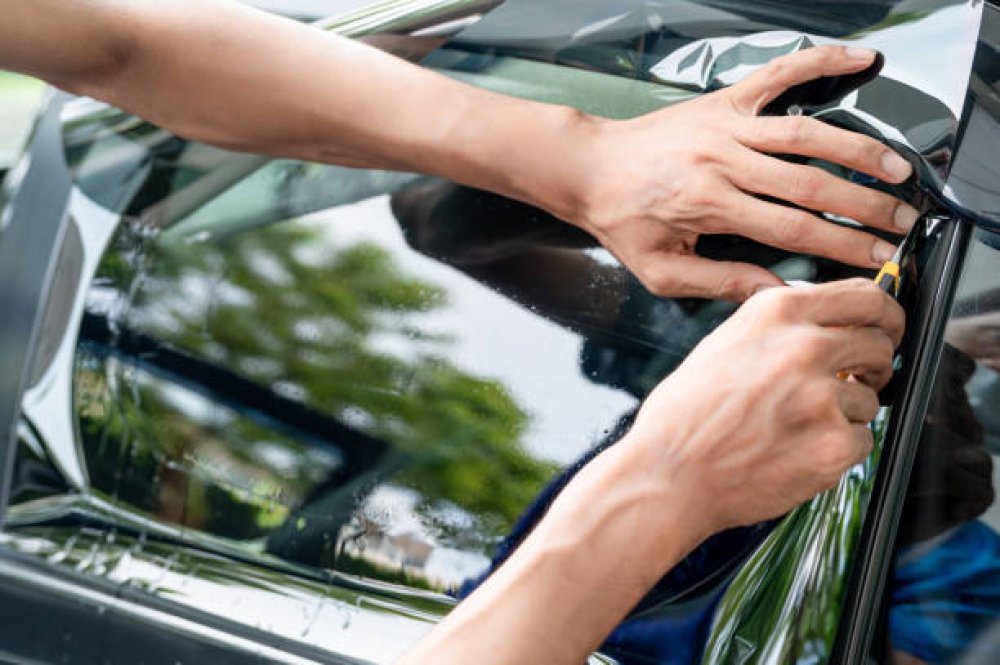
Why Licensed Window Tinting (C-17113) is Non-Negotiable for Oahu Insurance
Choosing licensed window tinting (License C-17113) ensures your vehicle or property glass modification complies strictly with Hawaii state regulations, safeguarding your auto and property insurance coverage against claim denials following an accident or storm damage.
Unlicensed installations using illegal dark films can void insurance policies, leaving vehicle and home owners fully liable for costly repairs and personal liability.In Hawaii, driving an illegally tinted vehicle or modifying architectural glass without a licensed contractor creates severe legal and financial risks.
Insurance adjusters evaluate glass compliance when investigating claims, and non-compliant tint darkness can lead to denied coverage or failed safety inspections.
This guide explains how working with a licensed contractor protects your insurance standing, helps you navigate the tint darkness scale, and ensures you select the best tint for car windows and properties. Let's examine why professional licensing matters for your coverage.
Understanding Licensed Window Tinting and Insurance Compliance
Licensed window tinting refers to professional glass film application performed by a state-certified contractor—such as a holder of Hawaii Specialty License C-17113—who adheres to statutory light transmission standards, building codes, and insurance requirements.
In Hawaii, window films are governed by strict regulations under HRS §291-21.5, which mandates a minimum of 35% Visible Light Transmission (VLT) for front side windows across all passenger vehicles. A licensed professional uses calibrated meters to measure net VLT, issues mandatory compliance certificates, and installs films that maintain full legal and insurance standing.
For vehicle and property owners on Oahu, choosing licensed window tinting is a critical financial protection rather than a simple cosmetic upgrade. Insurance policies contain clauses requiring modified vehicles and structures to comply with state safety laws.
If an uncertified shop installs an illegal shade—such as a 20 percent tint on front windows where 35% VLT is required—an insurance adjuster can cite illegal modifications to deny collision or glass damage claims following an accident.
Relying on certified automotive window tinting services protects your vehicle warranty, guarantees compliance during annual safety inspections, and ensures your insurance carrier honors covered losses.
Key advantages of verified, licensed glass film installation include:
- Guaranteed Policy Protection: Prevents claim denials caused by illegal VLT levels or uncertified modifications.
- Official Compliance Documentation: Provides required state certification documents to keep in your vehicle glove box.
- Valid Manufacturer Warranties: Secures nationwide lifetime warranty protection against bubbling, peeling, or purpling.
A common misconception is that any retail tint shop can issue a legally binding compliance certificate. In reality, uncertified installers operating without Specialty License C-17113 often apply non-compliant shades that fail state safety checks and expose vehicle owners to heavy fines and voided insurance policies. Pairing your vehicle's glass protection with advanced paint protection film ensures comprehensive, insurance-backed preservation for your entire vehicle.
How Licensed Window Tinting Protects Your Insurance and Vehicle Compliance
Choosing certified, licensed window tinting eliminates legal liability and ensures that auto or home insurance policies remain fully valid. Understanding how tint regulations interact with insurance adjusters, state safety standards, and VLT metrics helps property and vehicle owners make informed decisions.
1. Navigating Hawaii Legal Requirements and the Tint Darkness Scale
Hawaii law enforces strict light transmission standards for motor vehicles to maintain clear road visibility for drivers and law enforcement officers.
- Understanding Net VLT: The tint darkness scale is measured in Visible Light Transmission percentage (% VLT), representing the amount of light that passes through both the film and factory glass combined.
- Passenger Car Limits: Hawaii HRS §291-21.5 mandates a minimum net VLT of 35% on front and rear side windows as well as the rear windshield for all sedans and passenger cars.
- Is 20 Percent Tint Legal? Vehicle owners frequently ask: is 20 percent tint legal for passenger cars? The answer is no; a 20% VLT shade blocks 80% of light, falling significantly below Hawaii's mandatory 35% net VLT threshold for passenger cars.
- Trucks and SUVs: Vans, trucks, and SUVs are allowed darker tint levels behind the driver (on rear side and rear glass), but front side windows must strictly maintain the 35% net VLT minimum.
2. How Insurance Adjusters Evaluate Window Tint Claims
When an accident occurs, insurance claims adjusters inspect vehicles for modifications that may have contributed to poor visibility or unsafe operating conditions.
- Determining Comparative Fault: If a collision occurs at night or during adverse weather, an adjuster checking non-compliant, dark side windows may assign comparative fault to the driver due to reduced side visibility.
- Denial of Glass Damage Claims: Insurance carriers can refuse coverage for aftermarket glass replacements if the original film was applied illegally by an unlicensed installer without proper compliance documentation.
- Residential and Commercial Risks: For homeowners and business managers, uncertified glass treatments can void glass break or storm damage policies. Installing licensed residential window film ensures full compliance with local building codes and property insurance requirements.
3. Step-by-Step Verification for Insurance-Compliant Installation
Working with a licensed contractor guarantees that every step of the installation process meets state legal guidelines and insurance requirements.
- Verify State License C-17113: Confirm that your installation center holds an active Hawaii Specialty License C-17113, ensuring certified craftsmanship and contractor accountability.
- Measure Factory Glass baseline: Professional technicians test bare glass with digital light meters before installation, calculating net VLT to prevent accidental illegal darkening.
- Select Premium Spectrally Selective Films: Choose advanced ceramic films that deliver exceptional infrared heat rejection and glare control without needing dark, illegal tint shades.
- Obtain Official Compliance Documentation: Receive a signed state compliance card verifying legal VLT percentage, contractor license number, and installation date to keep inside your glove box.
- Secure Warranty Protection: Ensure your installation includes a manufacturer-backed lifetime warranty. Many commercial developments also utilize certified commercial window tinting to lower energy overhead while satisfying strict facility insurance mandates.
Choosing certified licensed window tinting ensures that your vehicle or building stays fully protected, legal, and eligible for all insurance coverage benefits.
Real-World Applications: Licensed Window Tinting in Action
Observing how insurance requirements and state regulations play out in everyday island scenarios underscores why working with a certified contractor is essential. Here is how Hawaii property owners and drivers benefit from choosing licensed window tinting to protect their assets.
- Insurance Claim Protection After an H-1 Collision: An Oahu driver involved in a rain-related side collision faced questioning from an insurance adjuster regarding side-window visibility.
Because her sedan had certified licensed window tinting installed by a C-17113 contractor, she produced her official compliance card showing a legal 35% net VLT. The insurer verified compliance instantly, processed her claim without delay, and covered full replacement costs.
- Property Renovation in Hawaii Kai: A homeowner adding solar heat rejection to large living room windows needed to satisfy HOA rules and homeowners insurance standards.
By opting for professional residential glass graphics and tinting, the homeowner achieved superior UV protection while securing full compliance documentation for building code inspectors.
- Safety Inspection Clearance in Honolulu: A vehicle owner failed an annual state safety inspection due to illegal dark film applied by an uncertified mobile shop. He replaced the non-compliant film with high-performance ceramic tinting from a licensed contractor, passing inspection immediately while preserving heat rejection performance.
These real-world examples illustrate how certified installations resolve compliance concerns, speed up insurance processing, and deliver complete peace of mind across Oahu.
Expert Best Practices for Selecting the Best Tint for Car Windows
Applying field-tested guidelines ensures your glass film investment delivers optimal solar heat rejection while maintaining full insurance compliance. Following these expert recommendations helps you identify the best tint for car windows and verify contractor credentials before installation.
- Verify Active Contractor License C-17113: Always confirm your installation center holds an active Hawaii Specialty License C-17113. Hiring a certified contractor guarantees that your installation meets state standards, providing official documentation that protects your auto insurance coverage in the event of an accident claim.
- Choose Advanced Ceramic Technology Over Dark Dyes: Avoid relying on cheap dyed films that darken glass illegally without blocking heat effectively. Modern ceramic licensed window tinting uses spectrally selective technology to reject up to 99% of UV rays and high levels of infrared heat while remaining within legal 35% net VLT limits.
- Understand Regional Standards and Statewide Law: Vehicle owners researching window tinting kailua kona, window tinting hilo hi, or maui window tinting should remember that Hawaii state tint laws apply uniformly across all islands. Installing compliant film on Oahu ensures seamless transferability and legal compliance wherever you drive statewide.
- Protect Exterior Vehicle Surfaces Simultaneously: Pair high-performance glass films with professional paint protection film treatments to safeguard your vehicle's hood and front bumper against rock chips and road debris. Combining glass tinting with surface preservation maximizes overall vehicle resale value and long-term protection.
Following these practical tips guarantees that your window tint installation provides superior comfort, legal compliance, and reliable insurance protection across Hawaii.
Secure Compliance and Protection with Licensed Window Tinting
Choosing certified licensed window tinting ensures your vehicle or property glass meets strict Hawaii legal standards while safeguarding your insurance coverage against claim denials. By installing high-performance ceramic film through a licensed C-17113 contractor, you eliminate legal liability, avoid failed safety inspections, and maintain maximum heat rejection.
Whether you are driving on Oahu or researching options like window tinting kona or window tinting hilo, maintaining a compliant 35% net VLT is essential for complete peace of mind.
Taking action today protects your vehicle investment, enhances daily driving comfort, and ensures your insurance provider fully honors future claims. Investing in professional, certified glass installation gives you complete confidence every time you hit the road.
When you are ready to upgrade your vehicle with legally compliant, insurance-backed window film, contact the employee-owners at T&T Tinting Specialists to schedule your expert installation today!
Frequently Asked Questions About Licensed Window Tinting
Why is hiring a contractor with licensed window tinting essential for insurance claims?
Hiring a contractor with licensed window tinting (License C-17113) ensures that your glass modification complies with Hawaii law (35% net VLT). Insurance companies can deny collision or glass damage claims if uncertified, illegal film contributed to an accident or violated vehicle safety codes. Official compliance cards from a licensed shop protect your coverage.
Is 20 percent tint legal on passenger cars in Hawaii?
No, 20 percent tint is not legal on front side windows of passenger cars in Hawaii. Hawaii law requires a minimum of 35% Visible Light Transmission (VLT). Applying a 20% tint can cause your vehicle to fail annual safety inspections and risk insurance claim denials. Choosing professional licensed window tinting guarantees legal compliance.
How do Hawaii tint laws compare for drivers looking for hilo car tinting or Oahu installations?
Hawaii state tint laws under HRS §291-21.5 apply uniformly across all islands, including drivers seeking hilo car tinting or service on Oahu. Regardless of location, passenger cars must maintain 35% VLT on all side and rear windows. Multi-purpose vehicles, trucks, and SUVs are permitted darker film on rear windows behind the driver.
What is the best tint for car windows to reject heat without going illegally dark?
High-performance nano-ceramic film is the premier choice for solar heat rejection without violating light transmission laws. Ceramic films use spectrally selective technology to block up to 99% of harmful UV rays and over 80% of infrared heat while remaining at a legal 35% VLT. You can explore complete vehicle tinting options to find the ideal formula for your driving needs.
About the Author
Ryan Malaluan, CAPM®, is an SEO & Content Strategist with over 8 years of experience in SEO, content strategy, and digital marketing. He holds a Bachelor of Arts in Literature and is a Certified Associate in Project Management (CAPM®). Throughout his career, Ryan has worked with brands including Spacer, Airtasker, Marlee (formerly Fingerprint for Success), VEED.IO, and ROSEMET LLC, as well as several digital marketing agencies, helping businesses strengthen their organic visibility through strategic, results-focused SEO and content.
 .
 .