
31 March 2026
Window Tint Pros and Cons: Is Tinting Your Car Windows Worth It
If you have ever sat in a hot car under the sun, you already understand why tinting is so popular. But before making a decision, it is important to fully understand the window tint pros and cons.
Window tinting is not just about appearance. It affects comfort, safety, visibility, and even your vehicle’s long-term condition. In sunny climates like Hawaii, these factors become even more important.
In this guide, you will learn:
- The real benefits of window tinting
- The most common drawbacks to consider
- How tint affects daily driving
- How to decide if it is right for your vehicle
If you are considering professional installation, you can explore services at TNT Tinting.
What Is Window Tinting and How It Works
Window tinting involves applying a thin film to your vehicle’s glass to reduce light, heat, and UV rays.
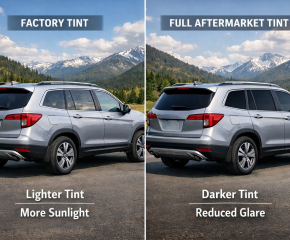
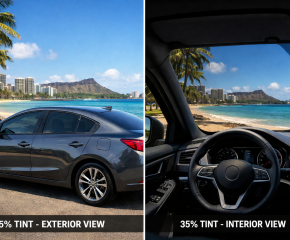
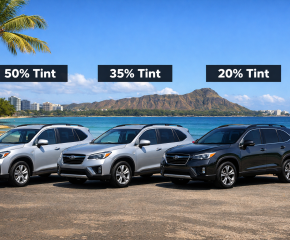
Different tint levels control how much light passes through. For example:
- Lighter tint allows more visibility
- Darker tint increases privacy and heat reduction
Understanding this helps explain the full pros and cons of tinted windows.
Advantages of Tinting Car Windows
Let’s start with the biggest benefits of tinted windows and why so many drivers choose them.
Heat Reduction and Driving Comfort
One of the top advantages of tinting car windows is heat control.
Tint helps:
- Reduce interior temperatures
- Make driving more comfortable
- Lower reliance on air conditioning
In hot climates, this alone can make a huge difference.
UV Protection and Interior Preservation
Tint blocks harmful UV rays that can:
- Damage your skin
- Fade seats and dashboards
- Cause cracking over time
This is one of the most valuable long-term benefits of window tinting.
Increased Privacy and Security
Tinted windows make it harder for others to see inside your vehicle.
This helps:
- Protect valuables
- Improve personal privacy
- Reduce theft risk
Many drivers choose tint specifically for this benefit.
Reduced Glare While Driving
Sun glare can be dangerous, especially during sunrise and sunset.
Tint reduces glare, making it easier to:
- See the road clearly
- Avoid eye strain
- Drive more safely during the day
Improved Vehicle Appearance
Another reason people choose tint is style.
A properly installed tint gives your car:
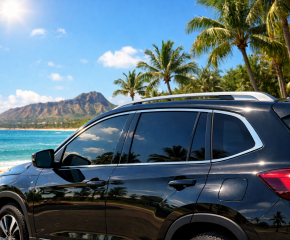
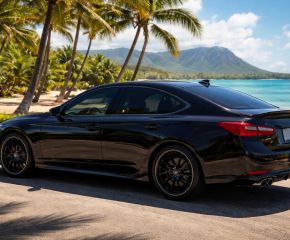
- A sleek, modern look
- A more uniform appearance
- Enhanced overall aesthetic
You can explore different film options at window tint products.
Disadvantages of Tinting Car Windows
While there are many benefits, there are also important drawbacks to consider.
Reduced Visibility at Night
One of the main disadvantages of tinting car windows is reduced visibility in low-light conditions.
This can affect:
- Night driving
- Parking in dark areas
- Reversing safely
Darker tints increase this effect.
Legal Restrictions
Tint laws vary depending on location.
In many areas:
- Front windows have stricter limits
- Rear windows may allow darker tint
Installing illegal tint can result in fines or required removal.
Upfront Installation Cost
Professional tinting requires an upfront investment.
Costs vary depending on:
- Tint quality
- Vehicle size
- Installation complexity
You can request pricing using instant tint estimate.
Quality Differences in Tint Films
Not all tint films are equal.
Low-quality tint can:
- Fade over time
- Bubble or peel
- Provide less heat protection
Choosing professional-grade materials is essential.
Maintenance and Longevity
While tint is durable, it still requires care.
Improper cleaning or damage can shorten its lifespan.
Real World Examples of Window Tint Pros and Cons
Understanding car window tinting pros and cons is easier when applied to real situations.
Daily Commuting
- Pros: Reduced heat and glare make driving more comfortable
- Cons: Slight visibility reduction at night
Parking in Public Areas
- Pros: Increased privacy protects belongings
- Cons: Dark tint may attract attention if overly tinted
Long-Term Vehicle Ownership
- Pros: Interior protection preserves value
- Cons: Initial cost investment
How to Choose the Right Tint Level
To balance the pros and cons of window tint, consider these factors.
Driving Habits
- Frequent night driving may require lighter tint
- Daytime driving works well with darker tint
Climate Conditions
Hot and sunny environments benefit more from tinting.
Legal Requirements
Always check local laws before installation.
Professional Installation
Working with experts ensures:
- Clean application
- Long-lasting performance
- Legal compliance
For appointments or questions, visit contact tinting experts.
Is Window Tinting Worth It
When weighing the pros and cons of tinting windows, most drivers find that the benefits outweigh the drawbacks, especially in sunny climates.
You get:
- Better comfort
- UV protection
- Increased privacy
- Improved aesthetics
The key is choosing the right tint level and working with professionals.
Conclusion: Final Thoughts on Window Tint Pros and Cons
Understanding the full window tint pros and cons helps you make a confident decision.
While there are some drawbacks like reduced nighttime visibility and legal considerations, the benefits such as heat reduction, UV protection, and privacy make tinting a valuable upgrade for many drivers.
If done correctly, window tinting improves both your driving experience and your vehicle’s long-term condition.
Frequently Asked Questions
What are the main pros and cons of window tinting?
The main benefits include heat reduction, UV protection, and privacy. The drawbacks include reduced nighttime visibility, legal limits, and upfront costs.
Is window tint worth it?
Yes, especially in sunny climates. It improves comfort, protects your interior, and enhances privacy.
Does window tint affect night driving?
Yes, darker tint can reduce visibility in low-light conditions.
How long does window tint last?
High-quality tint can last several years when professionally installed and properly maintained.
Is window tint legal everywhere?
No, laws vary by location and window type. Always check local regulations before installation.
 .
.  .
.