
26 March 2026
35% Window Tint: Visual Guide & Why It’s the Industry Standard
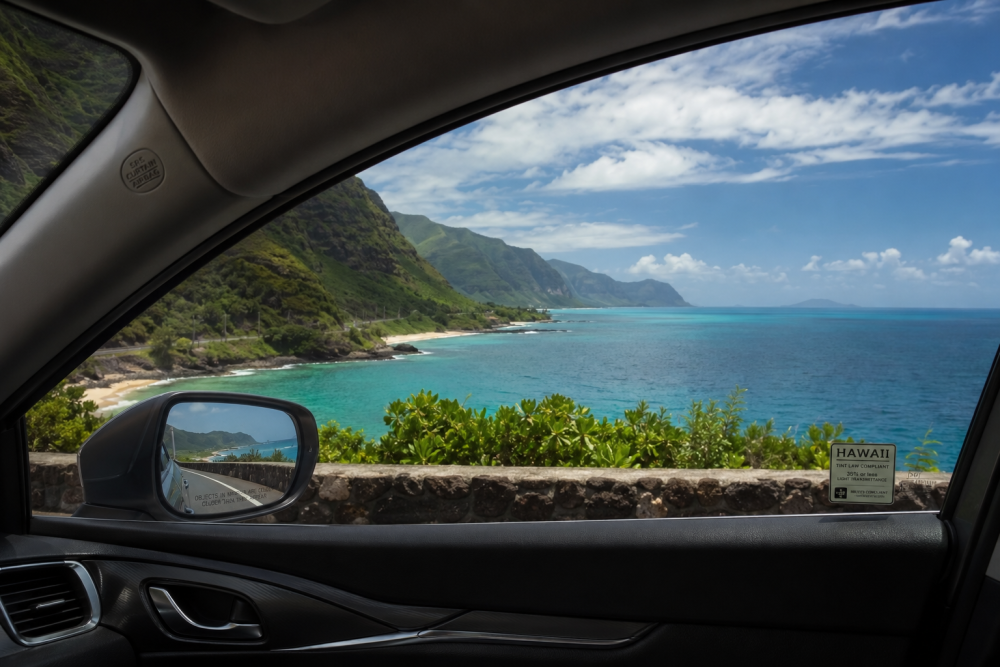
A 35 window tint is widely considered the "Goldilocks" of automotive films because it strikes the perfect balance between sleek aesthetics and legal compliance. In Hawaii, a 35% Visible Light Transmission (VLT) is the legal limit for passenger cars, making it the go-to choice for drivers who want to block heat without risking a citation. At T&T Tinting Specialists, Inc., we see this shade as the sweet spot for Oahu’s unique environment—providing enough darkness to enhance privacy while ensuring crystal-clear visibility during nighttime rain showers or drives through the Pali.
Choosing the wrong darkness can lead to more than just a fix-it ticket; it can compromise your safety and fail to provide the UV protection for cars necessary to prevent interior cracking and skin damage. This guide will show you exactly what this tint level looks like on a vehicle and explain why it remains the professional benchmark for performance. By the end, you’ll know if this industry standard is the right fit for your lifestyle and how our ceramic window tint benefits can further elevate your driving experience.
Let's dive into the specifics of how this film performs under the Hawaiian sun.
Understanding the Balance of a 35 Window Tint
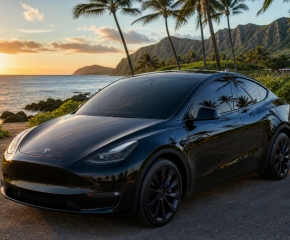
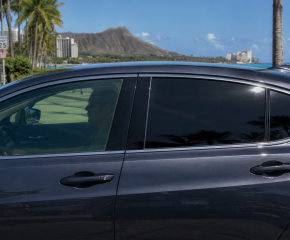
In the world of automotive film, a 35 window tint refers to a film that allows 35% of outside light to pass through the glass. This measurement is known as Visible Light Transmission (VLT). The lower the percentage, the darker the tint; therefore, a 35% film sits comfortably in the medium-dark range. It provides a noticeable charcoal aesthetic that enhances the lines of any vehicle without making the windows look completely "blacked out," which can often impair a driver’s vision in low-light conditions.
For Hawaii residents, choosing this specific VLT is about more than just style—it is about practical protection and legal peace of mind. Because we are Hawaii’s first licensed tinting contractor, we emphasize that this level is the maximum darkness allowed by Hawaii tint laws for the side and rear windows of passenger cars. Selecting this industry standard ensures you are protecting your family from the intense tropical sun while remaining fully compliant with local regulations. It matters because "bubble-shop" tints or illegal shades can lead to failed safety inspections and reduced visibility during Oahu’s sudden downpours.
Opting for a professional 35% installation offers several immediate outcomes:
- Optimal Heat Rejection: When paired with our high-performance vehicle tinting products, it significantly reduces the "oven effect" inside your car after it’s been parked at the beach or office.
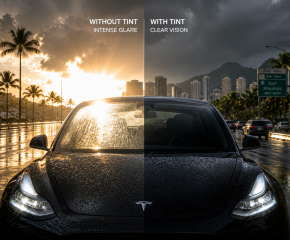
- Glare Reduction: It cuts down on the blinding reflection from the ocean and the sun, making your daily commute much more comfortable for your eyes.
- Privacy and Security: It makes it difficult for passersby to see valuables left on your seats, providing a layer of "out of sight, out of mind" security.
A common misconception is that you need a 5% "limo tint" to stay cool. In reality, a high-quality 35% ceramic film can often outperform darker, cheaper dyed films in terms of total solar energy rejection.
Why a 35 Window Tint is the Ideal Choice for Hawaii Drivers
Choosing a 35 window tint is the most frequent recommendation we make at T&T Tinting Specialists, Inc. because it successfully addresses the three most common concerns of our customers: legal compliance, heat rejection, and nighttime safety. This section breaks down the specific technical and practical reasons why this film level has become the benchmark for quality installations across Oahu.
The "Visible" Difference: What 35% VLT Looks Like
When you opt for a 35% film, you are choosing a "medium" shade. From the exterior, it provides a sophisticated, uniform look that obscures the contents of your vehicle without making it appear blacked out. From the interior looking out, the clarity remains remarkably high. This is a critical factor for Hawaii drivers who often deal with low-visibility conditions during heavy tropical rains or on unlit coastal roads.
Unlike darker tints that can create a "mirror" effect at night—where you see the reflection of your dashboard more than the road—a high-quality 35% film maintains excellent optical clarity. This balance is why it is the "standard" for our vehicle tinting services; it offers the aesthetic upgrade people want without the safety compromises they fear.
1. Superior Heat and Infrared Rejection
In the Pacific, the sun isn't just bright; it’s hot. Many drivers assume that to get the best heat rejection window film, they have to go as dark as possible. However, the darkness of a tint (the VLT) is not the primary factor in blocking heat—the technology inside the film is.
- Standard Films: Traditional dyed films rely on darkness to absorb heat. A 35% dyed film might feel significantly warmer than a 5% dyed film.
- Ceramic Films: Our FormulaOne High Performance Tint uses nano-ceramic particles that are invisible to the eye but highly effective at blocking Infrared (IR) rays.
Because of this technology, a 35% ceramic film can actually block more heat than a 5% "limo" tint made of cheaper materials. This allows you to keep your car legal and visible while enjoying a cabin that is significantly cooler than the outside air.
2. Maximum UV Protection for Cars
One of the most overlooked ceramic window tint benefits is the health and preservation factor. The Hawaiian sun can damage your skin and your car's interior in a matter of months. A professional 35% tint acts as a total sunblock for your vehicle, typically blocking 99% of harmful UV rays.
This protection is essential for:
- Skin Health: Reducing the risk of UV-related skin damage during long commutes.
- Interior Preservation: Preventing your dashboard from cracking and your leather or fabric seats from fading or becoming brittle.
- Electronics Protection: Keeping sensitive touchscreens and internal sensors away from direct solar degradation.
3. Navigating Hawaii Tint Laws
Safety and legality are at the heart of our operations as a licensed contractor. In the State of Hawaii, the law is very specific regarding 35 window tint:
- Passenger Cars: Must have a VLT of 35% (plus or minus a 6% tolerance) on all side and rear windows.
- MPVs (Trucks/SUVs/Vans): Can have darker tint on the rear windows, but the front two side windows must still meet the 35% requirement.
Installing a tint darker than 35% on a passenger car is a common mistake that leads to failed safety inspections and potential fines. By sticking to the 35% industry standard, you ensure that your vehicle remains compliant while still reaping all the solar benefits. If you are also considering protecting your vehicle's exterior from physical damage, we often recommend pairing your tint with our paint protection films for a complete "inside-out" shield.
Common Misconceptions About 35% Tint
Some owners worry that 35% isn't "private enough." While it is true that you can see silhouettes through a 35% film in direct sunlight, the reflection and charcoal pigment provide a significant barrier to casual onlookers. Furthermore, because it doesn't drastically change the factory look of the glass, it maintains a clean, professional appearance that ages much better than the "purple" bubbling seen on low-end, darker DIY tints.
By choosing this percentage, you are investing in a solution that works with the environment and the law, rather than against them. It is the definitive choice for those who value performance and safety over a purely "blacked-out" look.
Seeing the Results: A 35 Window Tint in Action
Understanding the specs is one thing, but seeing how a 35 window tint performs for Hawaii drivers reveals why it’s our most requested shade. Here are a few ways Oahu residents apply this standard to their daily lives:
- The Daily Commuter: A professional in Honolulu was struggling with blinding morning glare and intense afternoon heat during their commute on the H-1. By choosing a 35% ceramic film, they achieved immediate relief from eye strain and noticed their A/C didn't have to work nearly as hard. The outcome was a much more comfortable drive and better fuel efficiency due to the reduced load on the engine.
- The Family SUV: A family in Kapolei wanted to protect their kids from the sun but worried about visibility during late-night soccer practice pickups. They opted for our residential and automotive solar solutions in a 35% VLT, which provided the necessary UV protection for cars while ensuring the parent could still see clearly through the side mirrors in low-light parking lots.
- The Luxury Sedan Owner: An enthusiast in Kaka'ako wanted to enhance their car’s "charcoal" trim without making the vehicle look modified or attracting unwanted legal attention. The 35% film provided a sleek, factory-premium finish that perfectly complemented the car’s lines while staying within the Hawaii tint laws.
Whether you are looking for comfort, style, or safety, these real-world scenarios show that a 35% film is a versatile solution that delivers consistent, high-performance results for any driver.
Expert Tips for Choosing Your 35 Window Tint
Moving from a general understanding to a successful installation requires a bit of insider knowledge. These practical tips will help you maximize the ceramic window tint benefits and ensure your investment stands the test of time and the Hawaiian sun.
- Prioritize Infrared (IR) Rejection, Not Just Darkness: Many people assume a 35 window tint is just about shade, but the real comfort comes from IR rejection. When selecting your film, ask for the IR specs. A high-quality ceramic film can block up to 95% of heat-causing infrared rays, keeping your cabin cool even when the VLT is at a legal, medium level.
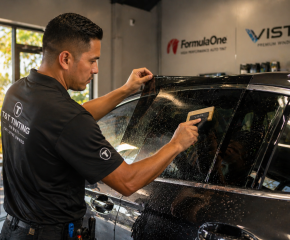
- Verify the Film’s Warranty for Color Stability: Cheap films often turn purple or bubble after a year in the Oahu sun. To avoid this, ensure your film comes with a lifetime warranty against color change. Our FormulaOne and Vista films are engineered for stability, meaning your 35% charcoal look will stay crisp and clear for as long as you own the vehicle.
- Check Your Factory Glass VLT First: Most factory glass already has a slight tint (usually around 70-80% VLT). If you apply a 35% film on top of it, the final result might actually be closer to 28-30%, which could technically fall outside of Hawaii tint laws. Always have an employee-owner at T&T Tinting meter your glass before the install to ensure the final combination remains fully legal.
Applying these best practices ensures that your choice of window film provides the safety, style, and heat-blocking performance you expect from an industry leader.
Final Verdict: Why a 35 Window Tint is Hawaii’s Premier Standard
Choosing a 35 window tint ensures you are getting the best possible performance while staying fully compliant with Hawaii tint laws. You now understand that this medium-dark shade provides the ideal combination of sleek aesthetics, essential privacy, and—when choosing ceramic technology—unbeatable heat rejection window film performance. It is the most reliable way to protect your vehicle’s interior and your family’s skin without sacrificing nighttime visibility.
Investing in a high-quality installation today prevents the common headaches of bubbling, peeling, or legal fines associated with sub-standard work. Taking action now means long-term preservation for your vehicle and a much more comfortable daily commute under the intense Oahu sun.
Ready to experience the difference that 40 years of expertise and employee-owner pride can make for your ride? Contact T&T Tinting Specialists today to get a free estimate and see why we have been voted Hawaii’s Best for nearly a decade.
Common Questions About 35 Window Tint
Is a 35 window tint dark enough for privacy?
Yes, for most drivers, it provides a significant increase in privacy. While it isn’t a "blackout" film, it creates a charcoal-colored barrier that makes it difficult for passersby to see clearly into your vehicle. In bright Hawaiian sunlight, you will see silhouettes, but it effectively hides valuables on your seats. If you need even more security for a work vehicle, you might consider our commercial tinting solutions for specialized glass.
Can I pass a Hawaii safety check with a 35 window tint?
Absolutely. This is exactly why a 35% VLT is the industry standard. Hawaii tint laws state that passenger cars must allow at least 35% of light through the side and rear windows. By choosing this level, you ensure your car remains completely legal, meaning you won’t have to deal with the hassle or expense of removing and replacing illegal film just to pass your annual inspection.
Does a 35 window tint look different at night?
From the outside, it maintains its sleek, dark appearance, but from the inside, the impact on your vision is minimal. This balance is a key part of the ceramic window tint benefits. High-quality films are engineered for maximum optical clarity, ensuring that even during a rainy night on the H-1, your visibility remains sharp. It provides glare reduction from trailing headlights without dangerously dimming your view of the road.
Will a 35% tint stop my interior from fading?
Yes, it is highly effective at preservation. Even at a 35% shade, our professional-grade films block 99% of harmful UV rays. This provides essential UV protection for cars, preventing your dashboard from cracking and your upholstery from fading due to constant solar exposure. It acts as a protective shield for both your skin and your vehicle's resale value, making it a smart long-term investment for any Oahu car owner.
 .
.  .
.