
Recent News


News 4 May 2026
The 2026 Ultimate Guide to Window Tinting on Oahu
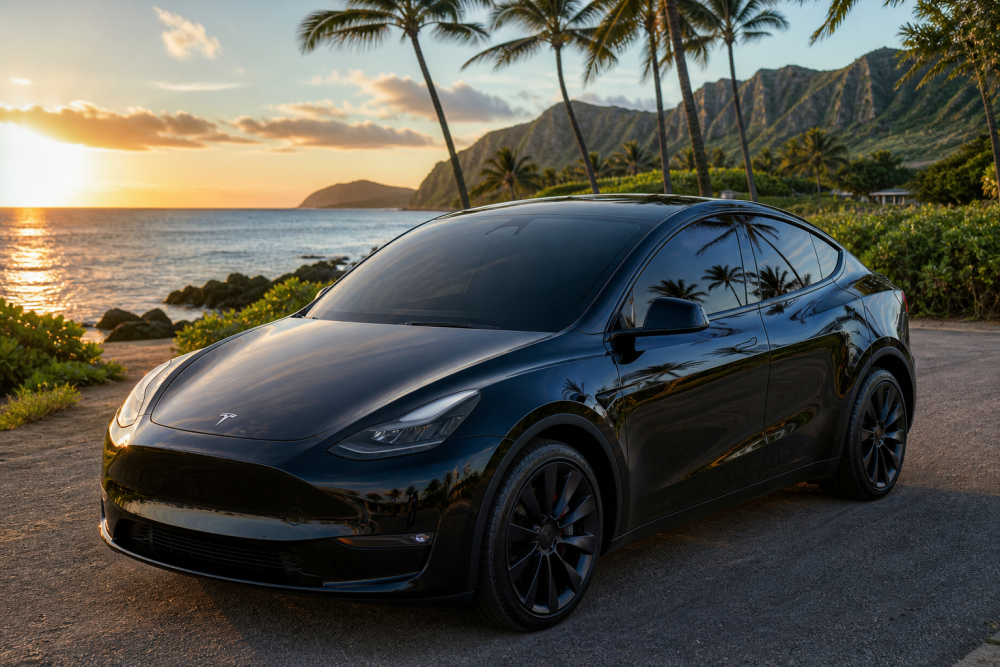
Living on Oahu means enjoying breathtaking views and endless sunshine, but that same tropical sun can turn your car or home into a literal oven. Ever find yourself dreading the drive home because your steering wheel is too hot to touch, or watching your furniture fade under the intense UV protection Hawaii needs? The struggle is real; the high humidity and salt air in the islands can make heat and glare feel almost inescapable, leading to discomfort and skyrocketing energy bills.
Fortunately, there is a way to reclaim your comfort while protecting your investments. In this 2026 guide, we will show you how the right best window tinting Oahu solutions can drastically improve your quality of life. From choosing the perfect ceramic tint Honolulu to staying compliant with local regulations, we’ve got you covered.
Ready to cool down and level up your lifestyle? Let’s dive into how T&T Tinting can transform your driving and living experience.
Why Quality Window Tinting is Essential for the Hawaii Lifestyle
Window tinting in Hawaii is far more than just an aesthetic choice; it is a critical functional upgrade for your vehicle, home, and office. At its core, window film is a multi-layered polyester coating infused with advanced heat-rejecting materials that is professionally bonded to glass surfaces. While many think of it simply as "darkening the windows," modern best window tinting Oahu solutions utilize nano-ceramic and carbon technologies to filter out specific wavelengths of light—specifically infrared heat and ultraviolet radiation—without necessarily compromising visibility.
Understanding the "why" behind tinting is vital for any island resident. The solar radiation in the Pacific is intense year-round, and without a protective barrier, the interior of your car can reach temperatures well over 140°F in minutes. This heat doesn't just cause physical discomfort; it also causes leather to crack, dashboards to warp, and forces your air conditioning to work twice as hard, reducing fuel efficiency.
By choosing professional residential window tinting Hawaii or high-performance automotive films, you gain several immediate advantages:
- Superior Heat Rejection: Keeps interiors significantly cooler, even when parked at the beach.
- Maximum UV Protection: Blocks 99% of harmful rays that contribute to skin aging and interior fading.
- Enhanced Safety: Holds shattered glass together in the event of an accident or break-in.
- Glare Reduction: Minimizes eye strain during those blinding sunrise or sunset drives along the coast.
A common misconception is that all tints are created equal. Many "budget" films lack the heat-rejecting properties found in a high-quality ceramic tint Honolulu. To get the most out of your investment, it is helpful to get an instant estimate to see which performance level fits your specific needs.
Choosing the Right Film: A Guide to the Best Performance and Protection
Navigating the world of window film can feel overwhelming, especially with the unique environmental challenges we face in Hawaii. From salt air to high-intensity solar radiation, your choice of film determines how comfortable you’ll be for the next decade. This section breaks down the most effective options and legal requirements to ensure you get the best return on your investment.
The Superior Choice: Nano-Ceramic Technology
If you are looking for the absolute peak of performance, ceramic tint Honolulu residents prefer is the gold standard. Unlike traditional films, ceramic coatings are engineered with non-conductive, non-metallic particles that are small enough to block heat at the molecular level.
- Unrivaled Heat Rejection: Ceramic films can block over 60% of total solar energy, making a massive difference during a hot afternoon in Kapolei or Ewa Beach.
- Zero Signal Interference: Because there is no metal in the film, your GPS, cell service, and satellite radio will work perfectly.
- Crystal Clear Optics: It provides a high-definition view of the road or your backyard, even at night.
Understanding Hawaii Window Film Laws (2026 Update)
Staying legal is just as important as staying cool. Hawaii recently modernized its regulations to account for rising temperatures, providing more flexibility for local drivers. Here is what you need to know for 2026:
- Front Side Windows: These must allow more than 35% Visible Light Transmission (VLT). This applies to all vehicles, including sedans, SUVs, and trucks.
- Rear Windows (The 2026 Shift): Under current laws, sedans now enjoy the same freedom as SUVs. You can go as dark as you want on the rear side and back windows, provided you have dual side mirrors.
- Windshield Protection: You are allowed a non-reflective strip (eyebrow) on the top 4 inches of the windshield.
- Reflectivity: Hawaii strictly prohibits "mirrored" or highly metallic looks. The goal is to reduce heat without creating blinding glare for other drivers.
Protecting Your Home and Business
Window tinting isn’t just for the road. Residential window tinting Hawaii services are a secret weapon for homeowners looking to slash their electricity bills. By applying high-performance films to your home’s largest windows, you can block up to 99% of the UV rays that cause skin damage and fade your expensive flooring or artwork.
- Commercial Window Films Honolulu: For business owners, professional window film reduces overhead by lowering the "AC load" on your building. It also creates a more productive environment for employees by eliminating screen glare and "hot spots" near windows.
Pro Tip: When choosing a tint, look for the Total Solar Energy Rejection (TSER) rating rather than just how dark the film looks. A high-quality ceramic film can block more heat than a cheap dark film, giving you better visibility with superior cooling.
Before you make a final decision, it’s always a good idea to contact us or visit our Airport location to see the different shades in person. Seeing the films under the actual Hawaii sun is the best way to choose the perfect match for your needs.
Real-World Results: How Oahu Residents Use Premium Window Film
Now that you understand the technology and the legal requirements, let’s look at how these solutions solve everyday challenges for Hawaii residents. From the daily commute to maintaining a beachfront home, professional window film provides a measurable impact on comfort and cost savings.
Use Case #1: The Daily Commuter
A professional commuting from Kapolei to downtown Honolulu every morning was struggling with intense glare and heat during the "sun-in-eyes" drive. By installing a high-performance ceramic tint Honolulu package, they achieved a 60% reduction in cabin heat and eliminated the need to wear heavy sunglasses while driving. This change didn’t just improve comfort; it increased fuel efficiency as the AC no longer had to run at maximum capacity.
Use Case #2: The Beachfront Homeowner
A family living on the Windward side noticed their ocean-view windows were allowing massive amounts of solar heat to penetrate their living room, causing their electricity bills to spike. They opted for residential window tinting Hawaii specialists to apply a clear, heat-rejecting film. The result was a 15-degree drop in interior temperature without losing their beautiful view, effectively protecting their hardwood floors from UV-related fading.
Use Case #3: Local Small Businesses
Retailers in Ala Moana use commercial window films Honolulu to protect storefront merchandise from sun damage while reducing the "hot spots" near the glass that typically discourage customers from browsing.
These examples prove that whether you are on the road or at home, the right window film is a practical investment that pays for itself in comfort and protection. To see how these films look on different vehicle types, you can explore our full range of products or visit us in person.
Maximizing Your Investment: Expert Tips for Window Film Maintenance
Once you have selected the best window tinting Oahu has to offer, a few professional maintenance habits will ensure your film remains crystal clear and effective for years to come. These expert techniques help you protect your warranty and maximize the longevity of your high-performance film.
- Allow for Proper Curing Time: After your installation at our Airport location, avoid rolling down your windows for at least 3 to 5 days. The "bubbles" or haziness you might see initially are simply moisture trapped during the process; allowing the film to cure fully in the Hawaii sun ensures a flawless, long-term bond.
- Use Ammonia-Free Cleaners: This is the most critical rule for privacy tinting services. Ammonia-based cleaners can chemically break down the top coat of the film over time, leading to brittleness or purple discoloration. Stick to a simple mixture of water and a drop of dish soap or a dedicated "tint-safe" cleaner.
- Opt for Microfiber Cloths: Avoid using paper towels or abrasive sponges, which can create microscopic scratches on the film’s surface. A clean, soft microfiber cloth is the best way to maintain that high-definition clarity without risking surface damage.
- Regular Inspections for Residential Film: For residential window tinting Hawaii installations, do a quick visual check of the edges once a year. Catching minor seal issues early prevents peeling and ensures your home remains protected against 99% of UV rays.
By following these simple best practices, you’ll ensure your window film continues to look brand new and perform at its peak efficiency for the life of your vehicle or home.
Stay Cool and Protected: Your Next Steps for Window Tinting in Hawaii
You are now equipped with everything you need to navigate the world of window film on Oahu. From understanding how a high-quality ceramic tint Honolulu residents trust can slash interior heat, to staying compliant with the latest Hawaii window film laws, you have the blueprint for a cooler, safer, and more energy-efficient lifestyle. Whether you’re protecting your car’s interior from the tropical sun or looking to reduce the glare in your beachfront home, the right film makes a world of difference.
Don’t let the intense Pacific sun dictate your comfort level or damage your investments any longer. The sooner you upgrade your glass with professional protection, the faster you’ll enjoy a more comfortable drive and lower energy bills at home.
Ready to get started? Head over to our Airport location map & directions to visit us in person, or grab your instant estimate online today. Our team at T&T Tinting is ready to help you find the perfect shade for your specific needs. Let's make 2026 the year you finally beat the Hawaii heat!
Frequently Asked Questions About Window Tinting on Oahu
Is 20% tint legal in Hawaii?
In Hawaii, a 20% tint is not legal for front side windows, which must allow at least 35% Visible Light Transmission (VLT). However, under Act 129 (passed in 2025), sedans now share the same rules as SUVs and trucks—meaning you can legally apply 20% tint (or any darkness) to your rear side and back windows, provided your vehicle has dual side mirrors.
Does ceramic tint really block more heat?
Yes. While standard dyed films mostly provide privacy, ceramic tint Honolulu residents prefer uses nano-ceramic particles to block up to 99% of UV rays and a significantly higher percentage of infrared heat. This technology can reduce your car's internal temperature by up to 30°F, making it a much more effective solution for the intense Hawaii sun than traditional film.
How long does professional window tinting last?
High-quality window film installed by professionals typically lasts 10 to 15 years, and many premium ceramic options come with a lifetime warranty against fading, peeling, or bubbling. The longevity depends on using ammonia-free cleaners and following proper maintenance. To ensure your investment is protected, you can view our full range of durable products online.
Will window tint interfere with my GPS or phone signal?
If you choose a non-metallic film like carbon or ceramic, it will not interfere with your electronics. Older "metallic" tints can sometimes disrupt GPS, cell service, and satellite radio signals. Our team at the Airport location exclusively uses signal-friendly films to ensure your navigation and connectivity remain perfect while you stay cool.
 .
.  .
.