
Recent News


News 31 March 2026
20 Window Tint: How Dark Is It? (Visual Comparison & Visibility)
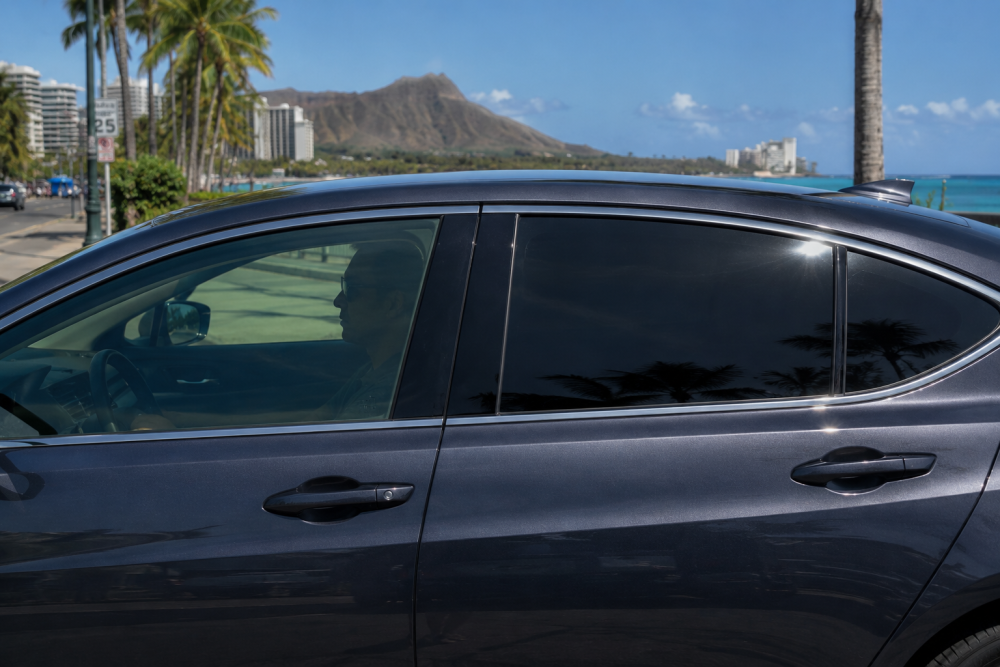
A 20 window tint is a medium-dark film that allows only 20% of visible light into your vehicle, offering a significant jump in privacy and heat rejection compared to lighter shades. If you’ve ever felt like you’re driving in a fishbowl under the intense Oahu sun, this VLT (Visible Light Transmission) level provides that "classic" dark look that balances sleek aesthetics with high-performance protection.
Choosing the wrong darkness can lead to visibility issues at night or legal headaches with local authorities. For Hawaii drivers, finding the "sweet spot" matters because the right automotive window film darkness levels protect your interior from UV damage while keeping the cabin significantly cooler during humid afternoons. By the end of this guide, you’ll understand exactly how 20 percent tint visibility compares to other shades and whether a ceramic 20 window tint is the right investment for your lifestyle and safety.
Here is everything you need to know about how this popular shade performs on the road.
Understanding the Basics: What is a 20 Window Tint?
A 20 window tint refers to a film with a 20% Visible Light Transmission (VLT) rating. In simple terms, this means the film allows only 20% of outside light to pass through the glass, while blocking the remaining 80%. It is often referred to as "Dark" or "Sports" tint because it sits right between the heavy "Limo" shades and the lighter, factory-style films. At T&T Tinting Specialists, Inc., we consider this a high-performance choice for those who prioritize a charcoal aesthetic and maximum interior cooling.
For Hawaii residents, choosing the right film is about more than just style—it is about preserving your vehicle and your health. The tropical sun on Oahu is relentless, and a standard piece of glass offers little protection against the heat. By opting for a professional automotive window tinting solution, you create a functional barrier that shields your skin from UV radiation and prevents your dashboard from cracking. The real-world impact of a 20 percent tint visibility level is felt most during a midday drive through Honolulu; it significantly reduces the "burning" sensation on your arms and keeps the cabin at a manageable temperature.
The primary benefits of 20% VLT include:
- Enhanced Privacy: It is difficult for passersby to see into the vehicle, protecting your valuables from prying eyes.
- Glare Reduction: This shade drastically cuts down on sun glare during the day and headlight "halos" during night driving.
- Superior Heat Rejection: When you choose a ceramic 20 window tint, you are getting the best in infrared heat rejection technology.
While many drivers assume all dark films are the same, it is a common mistake to overlook local regulations. Before committing to this shade, it is vital to understand Hawaii tint law compliance to ensure your vehicle remains street-legal while enjoying the benefits of a cooler, more private ride.
20 Window Tint Performance: Visibility, Privacy, and Comparisons
Choosing a 20 window tint is often the top choice for drivers who want a balance between a high-end look and functional utility. While it provides a significant boost in privacy, understanding how it performs across different environments—especially at night or under the bright Hawaii sun—is essential for making an informed decision. At T&T Tinting Specialists, Inc., we help our customers navigate these choices by focusing on how various automotive window film options impact their daily driving experience.
20% Tint Visibility: Daytime vs. Nighttime
The most common question we receive is how the darkness of the film affects the driver's ability to see. During the day, a 20 window tint is incredibly comfortable; it acts like a high-quality pair of sunglasses for your entire vehicle, significantly reducing eye strain and glare from the road.
However, nighttime visibility is where the "20 vs. 35" debate usually begins. Because a 20% VLT film blocks 80% of incoming light, driving on poorly lit roads or through rural areas of Oahu at night can be more challenging. If you have older eyes or frequently drive in areas without streetlights, you might find the 20% shade a bit too restrictive for side-window visibility during turns. For most drivers, however, the safety features of modern vehicles (like backup cameras and blind-spot monitoring) mitigate these concerns.
How Does 20% Tint Compare to Other Shades?
To help you visualize the darkness level, it helps to compare 20% to the other common industry standards:
- 5% (Limo Tint): This is the darkest film available. It offers total privacy but makes it very difficult to see out of at night.
- 20% (Dark/Sports): This is the "sweet spot." It is dark enough to obscure the interior of the car from the outside but still allows for relatively safe nighttime operation. It is a popular choice for those looking for dark window film for cars.
- 35% (Medium/Legal): This is often the legal limit for passenger car side windows in many jurisdictions. It provides a subtle charcoal look and excellent visibility but less privacy than 20%.
20% Tint vs. 35% Tint: Which is Right for You?
When deciding between 20 tint vs 35 tint, consider your primary goal. If you are mostly concerned with the aesthetic "blackout" look and maximum privacy for your belongings, 20% is the superior choice. If you are more concerned with maintaining the highest possible visibility for night driving while still getting the benefits of residential tinting technology applied to your car, 35% may be the safer bet.
The Ceramic Advantage: Why the Material Matters
It is a common misconception that the darkness of the tint (VLT) determines the heat rejection. In reality, the technology inside the film does the heavy lifting. A ceramic 20 window tint will outperform a standard dyed 5% (limo) tint in terms of heat rejection every time.
Ceramic films use nano-ceramic particles to block infrared light—the part of the solar spectrum you feel as heat—without needing to be pitch black. This means you can enjoy the sleek look of a 20% film while benefiting from world-class cooling that keeps your AC from working overtime.
Safety and Compliance Considerations
In Hawaii, window tinting is governed by specific regulations to ensure road safety. While many truck and SUV owners choose a 20% tint for their rear windows (where it is often factory-installed), passenger cars have stricter limits. We always recommend checking our Hawaii tint law guide or speaking with one of our employee-owners to ensure your selected shade meets state requirements (C-17113). Choosing a shade that is too dark for your vehicle type can result in fines and the need to strip and re-tint the glass later, costing you more in the long run.
Real-World Applications: Seeing the 20 Window Tint in Action
Understanding the specs is one thing, but seeing how a 20 window tint performs in the unique environment of Oahu helps put its value into perspective. Here are a few ways Hawaii drivers and property owners utilize this specific darkness level to solve everyday problems.
- The Daily Commuter: A Pearl City resident with a long afternoon commute toward the setting sun found the glare unbearable. By installing a ceramic 20 window tint, they successfully reduced eye fatigue and cut interior cabin temperatures by over 10 degrees. The outcome was a significantly more comfortable drive home without the need to blast the AC at max capacity.
- The Family SUV: A family in Kailua wanted to protect their children from UV rays and keep sports equipment hidden from prying eyes. They chose a professional vehicle tinting package at the 20% level for the rear windows. This provided the "blackout" privacy they needed for parked security while ensuring the interior remained cool during weekend trips to the North Shore.
- The Privacy Seeker: For those who frequently carry expensive tools or surfboards, the benefits of 20% VLT are clear. It creates a visual barrier that makes it nearly impossible to see valuables inside from a distance, serving as a proactive deterrent against smash-and-grab thefts.
Whether you're battling the heat or protecting your privacy, these real-world scenarios show that 20% film is a versatile solution for the modern Hawaii lifestyle.
Expert Tips for Choosing the Best 20 Window Tint
Applying the right film is the difference between a high-performance upgrade and a costly mistake. These tips help you navigate the technical and legal nuances of a 20 window tint to ensure your vehicle looks great and remains functional for years to come.
- Check Hawaii’s Latest Compliance Rules: While a 20 window tint is a popular choice, Hawaii’s laws recently changed with Act 129. Currently, front side windows must maintain a 35% VLT (with a 6% variance), but rear windows on all vehicles—including sedans—can now be any darkness. Always consult a licensed tinting contractor to ensure your specific vehicle is street-legal before installation.
- Prioritize Infrared Rejection, Not Just Shade: Many drivers assume a darker film automatically means more cooling. However, a high-quality ceramic 20 window tint will block significantly more heat than a standard dyed film, even if the dyed film is darker. Look for films with high Total Solar Energy Rejection (TSER) to maximize your comfort during humid Oahu afternoons.
- Factor in Nighttime Visibility: If you frequently drive in rural areas or poorly lit neighborhoods, 20% can feel quite dark at night. To maintain safety, consider pairing 20% on the rear windows with a slightly lighter 35% on the front doors. This "staggered" setup provides excellent privacy for passengers and gear while keeping your front-view clarity sharp for evening navigation.
By following these expert guidelines, you can enjoy the sleek aesthetic of a dark tint without sacrificing safety or falling out of favor with local inspection standards.
Making the Right Choice for Your Vehicle
Choosing a 20 window tint is one of the most effective ways to upgrade your driving experience in Hawaii. You now understand that this shade offers a premium balance of sleek aesthetics, enhanced privacy, and significant heat rejection. Whether you are looking to protect your family from intense UV rays or simply want to reduce the blinding glare during your afternoon commute, 20% VLT provides a high-performance solution that outclasses lighter factory films.
Investing in high-quality film is about more than just darkness; it is about long-term protection for your vehicle’s interior and your personal comfort. With the recent updates to local regulations, there has never been a better time to customize your ride with a shade that fits your lifestyle while staying within the legal variance. Taking action now ensures your car remains a cool, private sanctuary regardless of how high the temperature rises on the H-1.
If you’re ready to see the difference for yourself, the employee-owners at T&T Tinting Specialists, Inc. are here to help. Explore our full range of automotive window tinting options today and discover why we’ve been voted Hawaii’s Best for nine years running.
Frequently Asked Questions
Is a 20 window tint legal in Hawaii?
Under the updated 2025 Hawaii tint laws (Act 129), regulations have become more flexible. While front side windows must still maintain a 35% VLT (with a 6% variance), rear side windows and rear windshields on all vehicles—including sedans and SUVs—can now be any darkness. This means you can legally install a 20 window tint on your back windows, provided your vehicle has dual side mirrors.
Can you see out of 20% tint at night?
Yes, you can still see out, but 20 percent tint visibility is noticeably lower than factory glass once the sun goes down. In well-lit areas like downtown Honolulu, visibility remains manageable. However, on unlit rural roads, it can feel like driving with sunglasses on. Many drivers choose a ceramic 20 window tint to maintain superior clarity while still enjoying the darkened privacy and glare reduction.
Does 20% tint hide valuables effectively?
A 20% VLT film offers excellent daytime privacy, making it very difficult for passersby to see inside your vehicle. It acts as a strong deterrent against "smash-and-grab" thefts by obscuring backpacks, tools, or electronics. For the best results, we recommend a safety and security film upgrade, which provides both the 20% privacy shade and an extra layer of protection to hold glass together during an attempted break-in.
What is the difference between 20% and 35% tint?
The main difference is the amount of light allowed in; a 35% tint allows 15% more light than a 20% film. While 35% is the standard for front-window legal compliance, a 20% shade is preferred by those seeking a "blackout" look and maximum heat rejection. If you are comparing 20 tint vs 35 tint, 20% is significantly better for privacy, while 35% offers better visibility for night driving.
 .
.  .
.