

News 7 April 2026
What is Infrared Rejection in Window Tint?
Why Infrared Rejection Matters in Hawaii’s Hot Climate
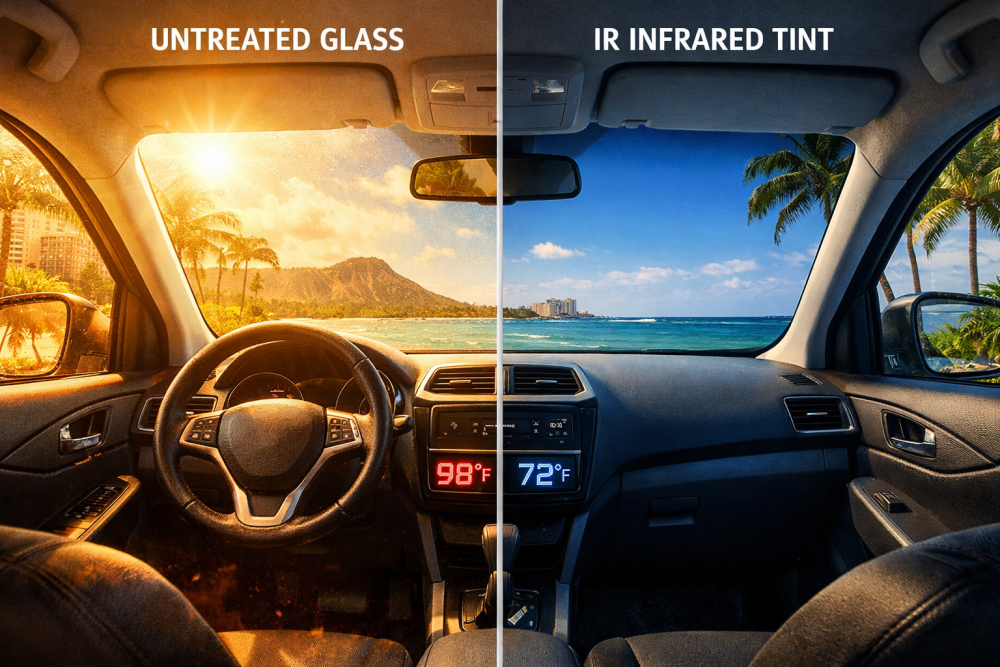
Ever stepped into your car or home in Hawaii and felt that overwhelming heat, even with the windows closed? That intense warmth isn’t just sunlight, it’s infrared radiation building up inside.
This is exactly where infrared rejection window tint becomes essential.
In a tropical environment like Hawaii, constant sun exposure leads to:
- Excessive indoor and vehicle heat
- Increased reliance on air conditioning
- Higher energy costs and discomfort
Many people assume window tint is just about darkening glass. In reality, the most important factor is how well it blocks heat, specifically infrared radiation.
If you're exploring professional tinting solutions, you can learn more from window tinting experts who specialize in high-performance films.
Understanding Infrared Rejection Window Tint and Its Benefits
Infrared rejection window tint refers to a film’s ability to block infrared (IR) radiation, the part of sunlight responsible for heat buildup.
Unlike UV rays, which cause fading and skin damage, infrared rays are what make interiors feel hot and uncomfortable.
Modern infrared window tint technologies are designed to:
- Reflect or absorb infrared heat
- Reduce interior temperatures significantly
- Maintain visibility without excessive darkening
This is why IR window tint is a game-changer, especially in hot climates.
Key Benefits of Infrared Rejection Window Tint
- Cooler interiors in homes and vehicles
- Reduced energy consumption and AC usage
- Enhanced comfort without sacrificing natural light
- Superior performance compared to traditional tint
For Hawaii residents, investing in IR blocking window film is one of the most effective ways to improve comfort year-round.
How Infrared Rejection Window Tint Works Step by Step
Infrared Radiation Generates Heat Indoors
Sunlight consists of:
- Visible light
- UV rays
- Infrared radiation
Infrared radiation is what carries heat.
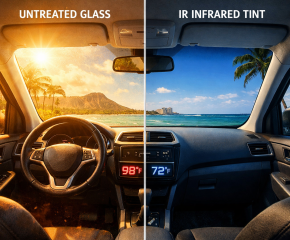
When sunlight enters untreated glass:
- IR rays pass through easily
- Heat becomes trapped inside
- Temperatures rise rapidly
That’s why your car or home heats up so quickly.
Pro Tip: Heat buildup is driven more by infrared radiation than brightness.
Advanced Film Technology Blocks Infrared Heat
Modern infrared tint uses advanced materials like nano-ceramic layers to block heat effectively.
These films:
- Reflect infrared energy away
- Absorb and disperse heat
- Maintain clarity and visibility
This is where ceramic IR tint stands out compared to older dyed films.
Unlike basic tint, ceramic window tint heat reduction technology delivers superior performance without needing dark shades.
You can explore high-performance options through professional tint products.
High IR Rejection Without Dark Windows
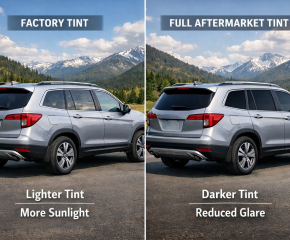
One of the biggest advantages of IR blocking film is that it doesn’t rely on darkness.
You can have:
- Clear or lightly tinted glass
- Strong heat rejection performance
- Bright, natural indoor lighting
This makes ir blocking window film ideal for homes, offices, and vehicles where visibility matters.
Pro Tip: The best tint isn’t always the darkest, it’s the one with the highest IR rejection.
Ceramic Technology Delivers Premium Performance
The most advanced option available today is premium ceramic window tint.
These films:
- Offer some of the highest heat rejection window tint performance
- Provide excellent clarity and durability
- Block both infrared and UV radiation
Popular options like ceramic pro window tint are known for combining performance with long-term reliability.
If you're considering installation, you can request pricing through an instant tint estimate.
Combined UV and IR Protection Maximizes Results
The best window films combine:
- Infrared rejection → reduces heat
- UV blocking → prevents fading and skin damage
This dual protection ensures:
- Better indoor comfort
- Protection for furniture and interiors
- Long-term performance
Professionals often recommend films that balance both features for Hawaii’s intense sun exposure.
Real-World Applications of Infrared Rejection Window Tint
Residential Homes
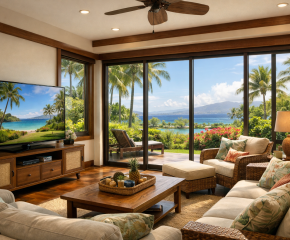
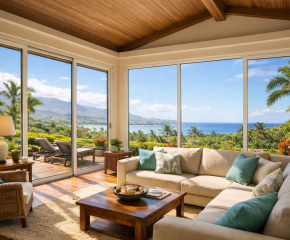
Homes with large windows benefit from infrared window tint by:
- Reducing indoor heat
- Lowering energy bills
- Improving comfort without blocking views
Vehicles in Direct Sunlight
Cars with IR window tint stay significantly cooler, especially when parked outdoors.
This leads to:
- More comfortable driving
- Reduced interior damage
- Less strain on vehicle AC systems
Office Spaces
Offices use ir blocking film to:
- Maintain consistent indoor temperatures
- Reduce glare on screens
- Improve employee productivity
These applications show how impactful infrared rejection window tint is in everyday life.
Best Practices for Choosing Infrared Rejection Window Tint
To get the best results, follow these guidelines:
Focus on IR Rejection Ratings
Look for films with high infrared blocking percentages for maximum heat reduction.
Choose Ceramic or Advanced Films
Options like ceramic IR tint provide superior performance over basic films.
Balance Visibility and Performance
Select a film that maintains clarity while delivering strong heat rejection.
Work With Professional Installers
Proper installation ensures durability and performance. You can reach out via contact services.
Consider Local Climate Needs
In Hawaii, prioritize films specifically designed for intense sun exposure.
Why Infrared Rejection Is Better Than Standard Tint
Traditional tint focuses on:
- Darkening windows
- Reducing visible light
But infrared rejection window tint focuses on:
- Blocking heat
- Improving comfort
- Enhancing energy efficiency
This makes it a smarter, long-term investment.
Final Thoughts on Infrared Rejection Window Tint
If you live in Hawaii, choosing infrared rejection window tint isn’t just an upgrade, it’s a necessity.
With the right film, you can:
- Reduce heat buildup dramatically
- Lower energy costs
- Improve comfort in your home or vehicle
- Maintain natural light and visibility
Instead of judging tint by how dark it looks, focus on how well it blocks heat, that’s where the real value lies.
For professional installation or guidance, you can also find directions via the location map.
Frequently Asked Questions About Infrared Rejection Window Tint
What is infrared rejection in window tint?
It’s the ability of a window film to block heat-causing infrared radiation from sunlight.
Is infrared rejection more important than tint darkness?
Yes. Heat reduction comes from IR blocking, not how dark the tint is.
What percentage of infrared rejection is good?
High-quality films often offer 80% or more IR rejection.
Does infrared rejection reduce energy costs?
Yes. It keeps interiors cooler, reducing the need for air conditioning.
Is infrared rejection window tint worth it in Hawaii?
Absolutely. With constant sun exposure, it’s one of the most effective ways to improve comfort and efficiency.
 .
.  .
.