Recent News
18 November 2026
Hawaii’s Choice: Finding the Best Tint Percentage for Car Excellence at T&T
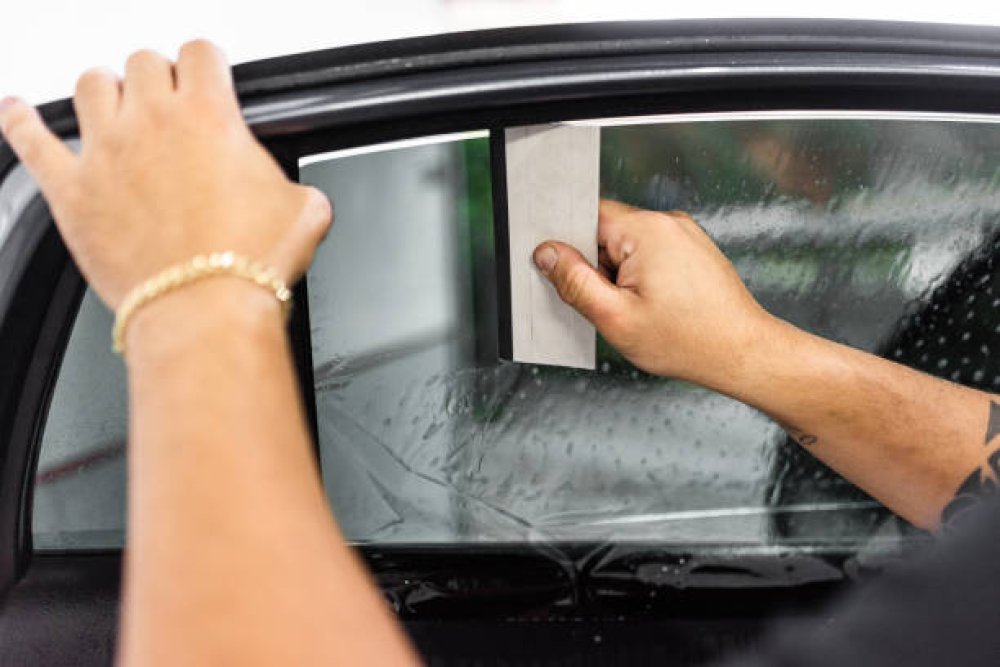
Hawaii’s Choice: Finding the Best Tint Percentage for Car Excellence at T&T
The best tint percentage for car comfort and legal compliance in Hawaii is 35% Visible Light Transmission (VLT) for front side windows, paired with 15% to 20% VLT on rear windows for SUVs and trucks or 35% VLT all around for passenger sedans. Choosing the wrong tint percentage leaves island drivers sweating through H-1 traffic, squinting against tropical glare, or facing costly citations and failed annual safety inspections.
For Oahu commuters and families, selecting the right car tint percentage directly impacts cabin cooling, leather and dashboard preservation, and nighttime driving safety. Understanding how window tint levels balance heat rejection with legal visibility prevents expensive rework.
In this guide, you will learn how to read a tint percentage chart, match Hawaii’s legal limits to your vehicle type, and choose the best tint percentage for car performance. Here is how to pick the ideal shade for your ride.
Understanding Car Tint Percentages and How VLT Works
A tint percentage measures Visible Light Transmission (VLT)—the exact percentage of visible sunlight allowed to pass through your vehicle’s glass and window film combined. Lower numbers mean darker glass: a 5% limo film blocks 95% of visible light, while a 70% film lets 70% of light pass through for a nearly clear look.
For Oahu drivers, choosing the best tint percentage for car comfort is not just about styling; it directly determines whether your vehicle stays cool in midday traffic and passes Hawaii’s annual safety inspection.
Under state law, front side windows must maintain at least 35% VLT (with a 6% measurement tolerance), meaning overly dark films lead to $300-plus fines and forced removal. Working with an experienced vehicle window tinting specialist ensures your film combines legal clarity with maximum solar protection.
Selecting the right car window tint percentages delivers three immediate benefits for island drivers:
- Superior Heat & Glare Rejection: High-performance films block intense infrared heat and blinding tropical glare without compromising nighttime visibility.
- 99% UV Ray Defense: Shields your family’s skin and prevents leather seats, dashboards, and trim from cracking or fading.
- Enhanced Cabin Privacy: Keeps valuables out of sight when parked at beaches, shopping centers, or trailheads.
Many drivers mistakenly assume darker car tint levels automatically block more heat. In reality, modern nano-ceramic window tinting products reject far more solar heat at a legal 35% shade than cheap dark dyed films ever could—making film technology just as important as finding the best tint percentage for car glass.
How to Choose the Best Tint Percentage for Your Car in Hawaii
Finding the best tint percentage for car performance requires matching Hawaii’s legal VLT regulations, your vehicle’s factory glass, and your daily driving habits. By pairing professional automotive window tinting with high-clarity nano-ceramic films like FormulaOne Pinnacle or Stratos, Oahu drivers can beat tropical heat without sacrificing nighttime visibility.
Follow these five practical steps to select the ideal shade for your ride:
Step 1: Review Hawaii’s Window Tint Laws by Vehicle Type
Under Hawaii Revised Statutes §291-21.5, legal window tint levels depend on your vehicle’s classification and window position:
- Front Side Windows (All Vehicles): Must allow at least 35% VLT (with a 6% measurement tolerance, meaning meter readings down to 29% pass annual safety inspection).
- Passenger Cars (Sedans & Coupes): Rear side windows and the rear windshield must also maintain at least 35% VLT.
- Multi-Purpose Vehicles (SUVs, Trucks, & Vans): Rear side windows and the rear windshield have no darkness restriction, provided your vehicle is equipped with dual side mirrors.
- Front Windshield: Non-reflective tint is permitted strictly above the manufacturer’s AS-1 line (or the top four inches of the windshield).
Step 2: Compare Common Shades Like a Tint Percentage Chart
Before visiting a showroom, review how different tint percentages balance daytime privacy, glare control, and outward visibility:
- 70% to 80% VLT: Virtually clear film that preserves your factory glass appearance while delivering strong infrared heat rejection in ceramic series—ideal for windshield sun strips or classic vehicles.
- 50% VLT: A light charcoal shade offering subtle glare relief and effortless nighttime visibility for drivers who prefer minimal darkening.
- 35% VLT: A medium factory-style shade that balances daytime privacy with crisp outward sightlines, serving as the maximum legal limit for front side windows on all Hawaii vehicles and full-car sedan installations.
- 15% to 20% VLT: A dark privacy shade that closely matches factory rear SUV glass and cuts heavy afternoon glare for back-seat passengers.
- 5% VLT (Limo): Near-black exterior privacy designed strictly for the rear cargo windows of commercial vans, trucks, and SUVs.
Step 3: Account for Factory-Tinted Glass Before Choosing
Many newer SUVs, trucks, and minivans roll off the lot with factory-dyed rear "privacy glass" already measuring around 20% VLT. Because VLT percentages multiply when layered, applying a 20% film over 20% factory glass drops your actual VLT to roughly 4%—making it tough to see while reversing at night. An experienced installer measures your bare glass with a digital VLT meter first so the final result hits your exact target.
Step 4: Match Film Technology to Your Comfort Goals
Once you narrow down the best window tint percentage, choose the internal construction that delivers real heat rejection:
- Nano-Ceramic Films (FormulaOne Pinnacle & Stratos): Block up to 63% of total solar energy and over 99% of UV rays without metallic interference, keeping GPS, Bluetooth, and keyless entry signals crystal clear.
- High-Performance Metallized & Hybrid Films: Offer strong heat reflection and sleek styling at an accessible price point.
If you want complete exterior protection while upgrading your glass, pairing your tint appointment with paint protection films shields your hood, bumper, and mirrors from highway rock chips and tropical road debris.
Step 5: Test Samples in Person at a Climate-Controlled Showroom
Online photos rarely show how a film looks from the driver’s seat in bright Oahu sunlight or rainy evening traffic. Visit T&T Tinting’s Airport or Kaka'ako showrooms to compare live heat-lamp demos and view actual car tint percentages on display glass.
Working with Hawaii’s first licensed tinting contractor (C-17113) and a 100% employee-owned team ensures precision edge filing, dust-free installation, and a transferable lifetime warranty—helping you lock in the best tint percentage for car comfort with total confidence.
Real-World Examples: How Oahu Drivers Choose Their Ideal Tint Percentage
Seeing how different Oahu motorists match car window tint percentages to their daily routines makes it easier to choose the right setup for your own vehicle. Here is how local drivers apply the best tint percentage for car comfort and compliance:
- Kapolei-to-Honolulu Daily Commuter (Sedan): A commuter driving a midsize sedan along the H-1 corridor struggled with intense afternoon sun heating up black leather seats and causing eye strain.
By choosing a 35% VLT FormulaOne nano-ceramic film across all side and rear windows, they met Hawaii’s legal standard while cutting cabin heat and dashboard glare during rush hour.
- Kailua Family SUV (Kid Comfort & Beach Security): Parents hauling surfboards and strollers in a family SUV needed cooler back seats and privacy for beach gear parked at Windward trailheads, much like homeowners use residential window tinting to protect indoor furnishings.
Installing 35% VLT on the front doors and 20% VLT over the rear glass kept kids shaded and valuables hidden without sacrificing nighttime backing visibility.
- Mililani Pickup Truck Owner: A contractor driving a crew-cab truck paired 35% front door tint with 15% rear glass to shield tools in the back seat and keep the cabin cool between job sites.
These real-world setups show that selecting the best tint percentage for car performance comes down to balancing legal clarity, passenger comfort, and daily utility.
Best Practices for Choosing and Maintaining Your Car Tint Percentage
Knowing the legal numbers is only the first step; applying practical buying and care habits ensures your best tint percentage for car glass performs reliably through years of intense island sun. Follow these four tips to protect your investment:
- Prioritize Heat Rejection Over Darkness: A legal 35% nano-ceramic film rejects far more infrared heat than a dark, cheap dyed tint. Focus on Total Solar Energy Rejected (TSER) ratings rather than picking the darkest tint percentage on a sample board, ensuring cooler drives without sacrificing night visibility.
- Verify Meter Readings on Factory-Tinted Glass: Factory glass already carries a slight green or smoked tint, typically measuring 70% to 80% VLT on front doors. Ask your installer to meter your bare glass first so the combined car tint percentage stays safely above Hawaii’s legal inspection threshold.
- Wait 3 to 5 Days Before Rolling Down Windows: Freshly installed film needs time to cure and bond to the glass edge. Keeping windows closed for several days prevents peeling, shifting, or trapped moisture bubbles—just as curing time matters for commercial window tinting installations.
- Clean Only with Ammonia-Free Glass Cleaners: Harsh ammonia-based sprays degrade protective coatings over time. Wipe interior glass with mild soapy water or an ammonia-free cleaner and a soft microfiber cloth.
Following these habits keeps your best tint percentage for car comfort crisp, legal, and bubble-free for the life of your vehicle.
Drive Cooler and Safer with the Best Tint Percentage for Your Car
Choosing the best tint percentage for car comfort in Hawaii comes down to pairing legal 35% VLT front side windows with 15% to 20% rear privacy glass on SUVs and trucks—or 35% VLT all around on passenger sedans—using high-clarity nano-ceramic film. Now that you understand how window tint levels and car tint percentages balance solar heat rejection, UV defense, and nighttime visibility, you can make a confident, inspection-ready decision for your vehicle.
Upgrading your glass now protects your family from 99% of harmful UV rays, prevents leather and dashboard cracking, and keeps your cabin noticeably cooler during daily Oahu commutes. With over 40 years of island experience, C-17113 state licensure, and a 100% employee-owned team, T&T Tinting Specialists delivers precision FormulaOne installations backed by a transferable lifetime warranty.
Ready to experience the best tint percentage for car performance on Oahu roads? Visit our Airport or Kaka'ako showrooms or explore custom vehicle window tinting options from T&T Tinting Specialists today.
Frequently Asked Questions About Choosing the Best Tint Percentage for Your Car
What is the darkest legal tint percentage for a car in Hawaii?
In Hawaii, front side windows on all vehicles must allow at least 35% Visible Light Transmission (VLT), with a 6% measurement tolerance that permits meter readings down to 29%. Rear side windows and the rear windshield can be tinted to any darkness as long as the vehicle has dual side mirrors, while front windshields allow non-reflective tint above the AS-1 line.
Does a lighter tint percentage still block Hawaii’s intense solar heat?
Yes, film technology matters far more than darkness when blocking heat. A legal 35% FormulaOne nano-ceramic film rejects up to 63% of total solar energy and over 99% of UV rays—outperforming dark, low-grade dyed tints. Choosing the best tint percentage for car comfort means selecting high infrared rejection rather than relying on overly dark window tint levels that impair night driving.
Will darker car tint percentages interfere with my GPS, Bluetooth, or backup cameras?
No, modern nano-ceramic films contain zero metal, so they never block cell signals, GPS navigation, keyless entry fobs, or tire-pressure sensors. Choosing the best car tint percentage in a non-metallized FormulaOne line keeps your electronics working seamlessly while ensuring crisp outward clarity for rear backup cameras and evening lane changes.
How long does professional window tint last in Oahu’s salt air and sun?
When installed by a licensed specialist using premium architectural-grade automotive films, your tint will last the lifetime of your vehicle without bubbling, peeling, or turning purple. T&T Tinting backs every installation with a transferable lifetime warranty, and you can explore our full lineup of automotive and surface protection products to keep your ride protected for decades.
Can I tint over my SUV’s factory-tinted rear windows?
Yes, you can safely apply film over factory-dyed privacy glass, though you should account for combined darkness first. Factory rear SUV glass already measures roughly 20% VLT, so adding a 20% film drops net visibility to around 4%. Testing different tint percentages in a showroom helps you find the best tint percentage for car privacy without making nighttime reversing difficult.
About the Author
Ryan Malaluan, CAPM®, is an SEO & Content Strategist with over 8 years of experience in SEO, content strategy, and digital marketing. He holds a Bachelor of Arts in Literature and is a Certified Associate in Project Management (CAPM®). Throughout his career, Ryan has worked with brands including Spacer, Airtasker, Marlee (formerly Fingerprint for Success), VEED.IO, and ROSEMET LLC, as well as several digital marketing agencies, helping businesses strengthen their organic visibility through strategic, results-focused SEO and content.
 .
 .