
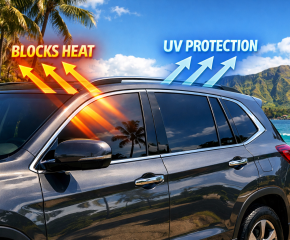
26 March 2026
Darkest Legal Window Tint in Hawaii: Laws, Limits, and Best Options (2026 Guide)
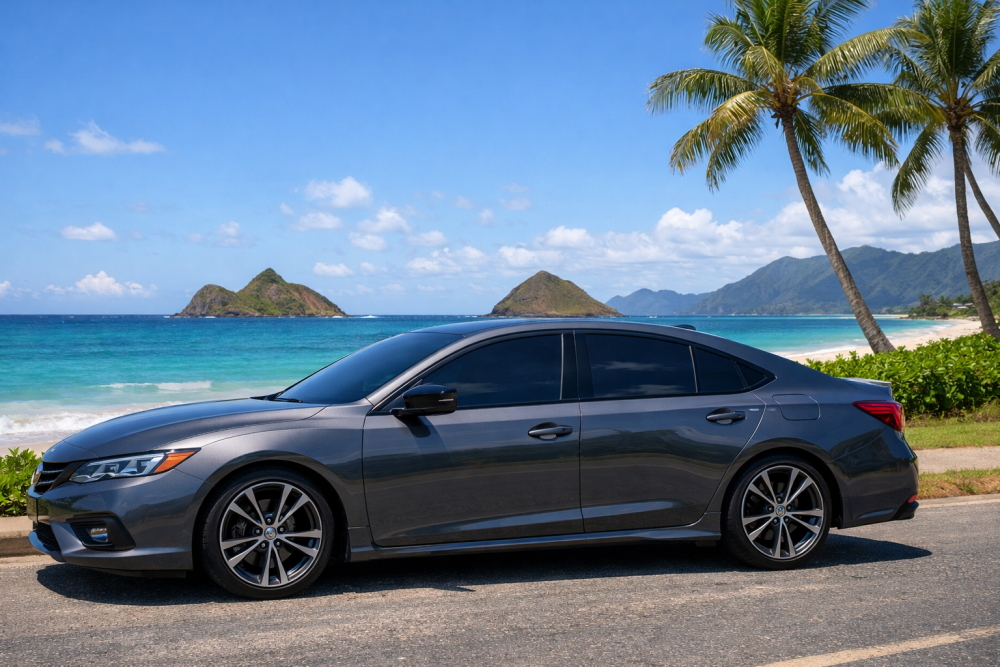
If you're considering tinting your car in Hawaii, one question always comes first: what is the darkest legal window tint you can have?
It’s an important question because going too dark can lead to fines, failed inspections, or being forced to remove your tint. At the same time, staying within legal limits doesn’t mean sacrificing privacy or comfort.
This guide breaks down everything you need to know about the darkest legal window tint, including Hawaii tint laws, VLT percentages, and how to choose the best option for your vehicle.
Understanding the Darkest Legal Window Tint in Hawaii
The darkest legal window tint in Hawaii is determined by something called Visible Light Transmission (VLT).
- VLT = the percentage of light that passes through your window
- Lower VLT = darker tint
- Higher VLT = lighter tint
Hawaii Window Tint Laws (2026)
To comply with hawaii tint laws 2026, here are the current limits:
- Front side windows: Minimum 35% VLT
- Rear side windows: Minimum 35% VLT
- Rear window: Minimum 35% VLT
- Windshield: Non-reflective tint allowed only on the top strip
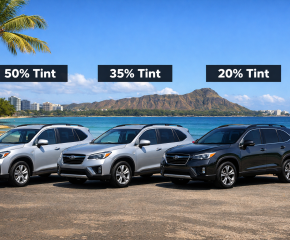
👉 This means 35% VLT is the darkest legal window tint allowed for most passenger vehicles.
Why Hawaii Tint Laws Matter
Understanding hawaii window tint law is essential for several reasons:
- Avoid costly tickets and fines
- Pass safety inspections without issues
- Maintain safe driving visibility
- Prevent having to remove illegal tint
Many drivers assume darker tint equals better performance, but modern films allow you to stay legal while still getting excellent results.
Step-by-Step: How to Choose the Darkest Legal Window Tint
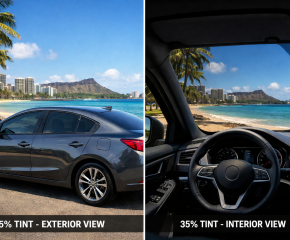
Step 1: Understand 35% VLT Clearly
A 35% tint blocks about 65% of visible light.
This gives you:
- Noticeable privacy
- Reduced glare
- Cooler interior
Even though it’s the legal tint in Hawaii, it still looks sleek and modern.
Step 2: Factor in Factory Tint
Most vehicles already have slight factory tint, especially SUVs and trucks.
👉 Important:
Factory tint + aftermarket tint = total VLT
If you don’t account for this, you could accidentally go darker than the legal window tint in Hawaii.
Step 3: Choose the Right Tint Type
You don’t need illegal darkness to get high performance.
High-quality options from window tint products include:
- Ceramic tint – best heat rejection and UV protection
- Carbon tint – good balance of performance and cost
- Dyed tint – affordable but less effective
These allow you to stay within hawaii auto tint law while maximizing comfort.
Step 4: Work With Professionals
A professional installer ensures:
- Accurate VLT measurement
- Legal compliance
- Clean, bubble-free installation
Trusted shops like TNT Tinting Hawaii can guide you through the process and recommend compliant options.
Step 5: Verify Compliance After Installation
After installation, always confirm:
- Tint meets 35% VLT requirement
- No reflective violations
- Windshield tint follows regulations
You can also request documentation or use a tint meter for peace of mind.
Real-World Examples of Legal Tint in Hawaii
Daily Driver Setup
A commuter installs 35% ceramic tint on all windows.
✔ Legal
✔ Cooler interior
✔ Reduced glare
Family SUV
A family vehicle uses legal tint to protect passengers from UV exposure.
✔ Comfortable for kids
✔ Improved visibility
✔ Fully compliant with hawaii tint law
Luxury Vehicle
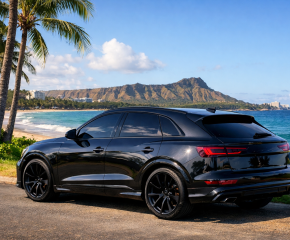
A luxury car combines ceramic tint with factory glass for a darker appearance while still staying within legal tint hawaii limits.
Benefits of Staying Within Legal Tint Limits
Choosing the darkest legal window tint instead of going illegal gives you:
- ✔ No tickets or fines
- ✔ Hassle-free inspections
- ✔ Better visibility at night
- ✔ Long-term compliance
Plus, modern tint technology makes legal options perform just as well, or better, than darker films.
Common Mistakes to Avoid
Going Too Dark
Many drivers choose illegal tint for appearance, but it often leads to:
- Tickets
- Forced removal
- Inspection failure
Ignoring Combined VLT
Stacking tint over factory glass can push you below 35% without realizing it.
Choosing Cheap Tint
Low-quality tint fades, bubbles, and performs poorly.
DIY Installation
Improper installation can result in:
- Uneven tint
- Air bubbles
- Legal non-compliance
Best Practices for Legal Window Tint in Hawaii
To get the most out of your tint:
- Stick to 35% VLT or lighter
- Choose ceramic or high-performance films
- Work with experienced installers
- Verify compliance after installation
- Keep tint documentation for inspections
Where to Get Legal Window Tint in Hawaii
If you're ready to install tint, working with professionals makes all the difference.
You can:
- Request a quote through an instant tint estimate
- Visit a shop using this location and directions page
- Contact experts directly via the tint consultation page
Professional guidance ensures your tint meets all hawaii tint laws while delivering the look and performance you want.
Final Thoughts: What Is the Darkest Legal Window Tint?
So, what is the darkest legal window tint in Hawaii?
👉 35% VLT for most vehicle windows
While it may not seem extremely dark, it provides the perfect balance of:
- Privacy
- Comfort
- Safety
- Legal compliance
By choosing high-quality materials and working with professionals, you can achieve a premium look without risking penalties.
Frequently Asked Questions
What is the darkest legal tint Hawaii allows?
The darkest legal tint in Hawaii is 35% VLT for front, rear, and side windows.
Can I go darker than 35% tint?
No. Anything darker than 35% violates hawaii tint laws and may result in fines or required removal.
Does factory tint count toward legal limits?
Yes. Factory tint is included in total VLT, so additional tint must still meet legal limits.
Is ceramic tint legal in Hawaii?
Yes. Ceramic tint is legal as long as it complies with legal window tint hawaii VLT requirements.
What is allowed on the windshield?
Only a non-reflective tint strip is allowed at the top of the windshield. Full windshield tint is not permitted.
 .
.  .
.