
17 March 2026
Best Window Tint for Heat Reduction: How to Keep Your Car Cool
Why Heat-Reducing Window Tint Matters in Hot Climates
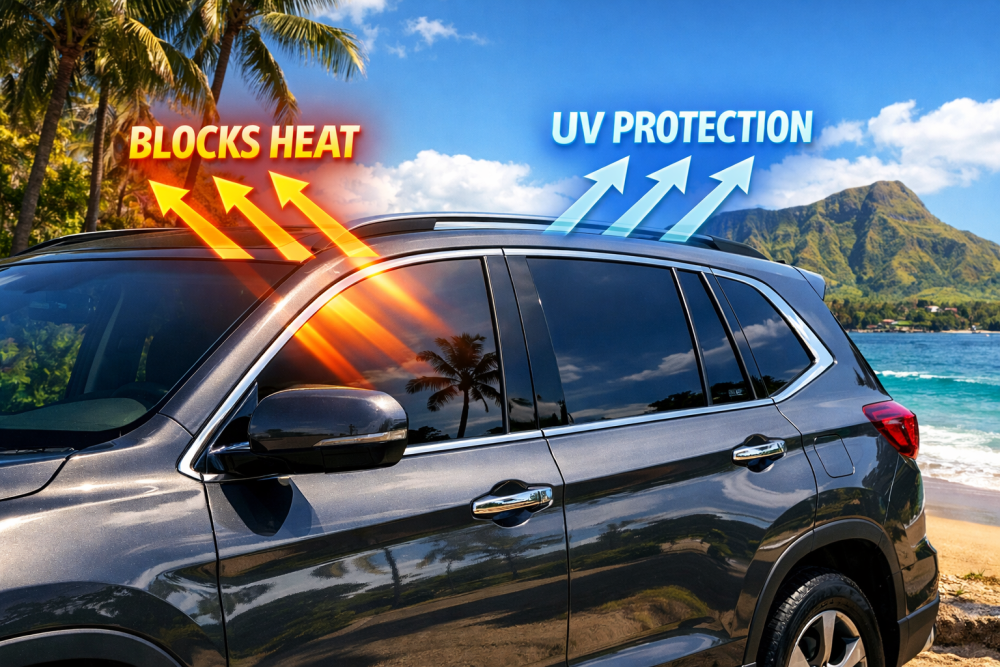
In sunny regions like Hawaii, the interior of a parked vehicle can quickly become extremely hot. Direct sunlight passing through car windows creates a greenhouse effect that raises interior temperatures, making driving uncomfortable and increasing the workload on your air conditioning system. That’s why many drivers search for the best window tint for heat to reduce heat buildup and improve driving comfort.
Modern window tint technology has advanced far beyond basic cosmetic tinting. Today’s films are engineered specifically to block solar heat, filter ultraviolet radiation, and reduce glare while maintaining clear visibility.
Installing the best heat rejection window tint can provide several benefits:
- Lower interior temperatures
- Improved driving comfort
- Reduced glare from sunlight
- Protection for upholstery and dashboards
- Less strain on vehicle air conditioning systems
If you’re considering professional installation, you can explore available films and services at TNT Tinting or review their full range of window tint products designed for heat protection.
Understanding how different tint technologies work will help you choose the best window tint to keep heat out of your vehicle.
How Window Tint Reduces Heat
Before choosing the best car window tint for heat reduction, it helps to understand how solar heat enters a vehicle.
Sunlight contains three main types of radiation:
- Visible light – the light we see
- Ultraviolet (UV) radiation – causes skin and interior damage
- Infrared (IR) radiation – the main source of heat
The most effective heat rejection window tint focuses on blocking infrared radiation, which is responsible for most heat buildup inside vehicles.
High-performance tint films reduce heat by:
- Reflecting solar radiation away from the glass
- Absorbing infrared energy before it enters the vehicle
- Filtering ultraviolet rays that damage interior materials
Two performance measurements often used to evaluate tint effectiveness include:
- Infrared Rejection (IRR) – how much infrared heat the film blocks
- Total Solar Energy Rejection (TSER) – overall solar heat reduction
The higher these ratings, the better the tint performs at blocking heat.
Types of Window Tint and Heat Rejection Performance
Not all window tint films provide the same level of heat protection. Some films are primarily designed for privacy or appearance, while others focus on thermal performance.
Understanding the different tint technologies will help you select the best auto tint for heat reduction.
Dyed Window Tint
Dyed tint is one of the most common and affordable tint options.
This film uses dye layers to darken the glass and reduce glare.
Advantages
- Low cost
- Improved privacy
- Basic glare reduction
Limitations
- Limited heat rejection
- Can fade over time
- Less durable than modern films
Because dyed films offer minimal heat protection, they are usually not considered the highest heat rejection window tint.
Carbon Window Tint
Carbon tint represents a major upgrade from dyed window films.
This type of carbon window film contains microscopic carbon particles that block heat and UV radiation more effectively.
Benefits of Carbon Tint
- Strong heat rejection
- Durable color that resists fading
- Non-metallic construction
- Matte black appearance
Carbon tint is widely regarded as one of the best tint options for heat rejection that still remains reasonably affordable.
It also avoids electronic interference because the film does not contain metal.
Ceramic Window Tint
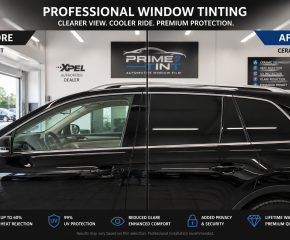
Ceramic window tint is widely considered the best window tint for heat reduction available today.
Ceramic films contain nano-ceramic particles designed to block infrared radiation extremely effectively.
Advantages of Ceramic Tint
- Highest heat rejection levels
- Excellent UV protection
- Exceptional optical clarity
- No interference with electronics
- Long-term durability
Because ceramic tint blocks a large portion of infrared heat, it is often recommended for drivers who want the best heat blocking tint for cars.
Although ceramic tint typically costs more than carbon films, many drivers find the improved performance well worth the investment.
Carbon vs Ceramic Window Tint
Many drivers compare carbon vs ceramic window tint when deciding which film to install.
Both technologies offer strong performance, but there are key differences.
Carbon Window Tint
Carbon tint provides:
- Good heat rejection
- Long-lasting color stability
- Affordable pricing compared to ceramic films
Carbon tint is an excellent choice for drivers who want better performance than dyed films without the higher cost of ceramic tint.
Ceramic Window Tint
Ceramic tint provides:
- Maximum infrared heat rejection
- Superior UV protection
- Advanced nano-ceramic technology
When comparing carbon tint vs ceramic tint, ceramic usually delivers the highest heat rejection window tint performance.
However, carbon tint still provides strong heat reduction for drivers seeking a more budget-friendly option.
Real Benefits of Heat Blocking Window Tint
Installing the best window tint for heat reduction improves both comfort and vehicle protection.
Cooler Interior Temperatures
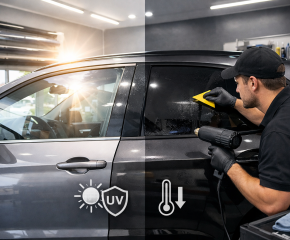
Heat-reducing tint blocks solar radiation before it enters the vehicle.
This helps keep interiors cooler, especially during hot afternoons.
Reduced Air Conditioning Usage
With less heat entering the car, the air conditioning system does not need to work as hard.
This can improve overall energy efficiency and comfort.
Protection for Vehicle Interiors
Ultraviolet radiation can damage vehicle interiors over time.
High-quality tint helps protect:
- Leather seats
- Dashboards
- Plastic trim
- Upholstery
Reduced Sun Glare
Sun glare can make driving uncomfortable and reduce visibility.
Heat-blocking tint reduces glare and improves road visibility.
Tips for Choosing the Best Window Tint for Heat
Selecting the right tint involves more than simply choosing the darkest film.
Consider the following factors when selecting the best tint for heat rejection.
Choose High-Performance Film Technology
Look for tint films with strong infrared rejection ratings.
Ceramic and carbon films usually perform best for heat reduction.
Work With Professional Installers
Proper installation is essential for long-lasting results.
Professional installers ensure the film adheres properly and remains free of bubbles or peeling.
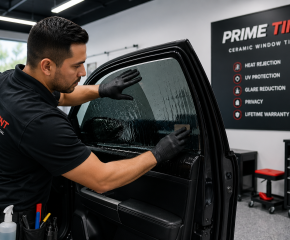
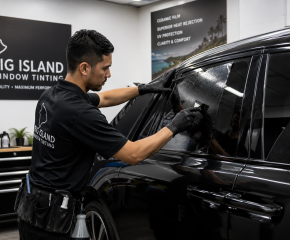
You can request a quote through an instant tint estimate or contact specialists via the contact page.
Understand Local Tint Laws
Each state has legal limits for window tint darkness.
Professional installers help ensure the tint complies with regulations.
Ask About Warranties
High-quality tint films often include warranties covering fading, bubbling, and peeling.
This protects your investment over time.
You can also find directions to a professional tint facility through the location and directions page.
Finding the Best Window Tint for Heat
Choosing the best window tint for heat can dramatically improve comfort when driving in sunny climates.
While dyed films offer basic shading, modern carbon and ceramic tints provide far better heat rejection and long-term durability.
Among available options, ceramic tint typically delivers the highest heat rejection window tint performance, making it ideal for drivers who want maximum cooling and UV protection.
Carbon tint remains a strong alternative for drivers seeking excellent heat reduction at a more affordable price.
Working with experienced tint professionals ensures you receive the right film, proper installation, and long-lasting performance that keeps your vehicle cooler for years.
Frequently Asked Questions
What is the best window tint for heat reduction?
Ceramic window tint is generally considered the best option because it blocks a large percentage of infrared heat while maintaining clear visibility.
Does darker window tint reduce more heat?
Not necessarily. Heat rejection depends on the film technology rather than darkness. Some lighter ceramic films block more heat than darker dyed films.
What is the highest heat rejection window tint?
Ceramic window tint typically offers the highest infrared heat rejection among common automotive tint films.
Is carbon tint good for heat reduction?
Yes. Carbon tint provides strong heat rejection and durability, making it a popular mid-range option for heat-blocking window tint.
Is window tint legal in Hawaii?
Yes, but Hawaii has regulations regarding allowable tint darkness levels on certain windows. Professional installers help ensure your tint meets legal requirements.
 .
.  .
.