19 April 2026
What Do Professional Window Tinting Services Typically Include?
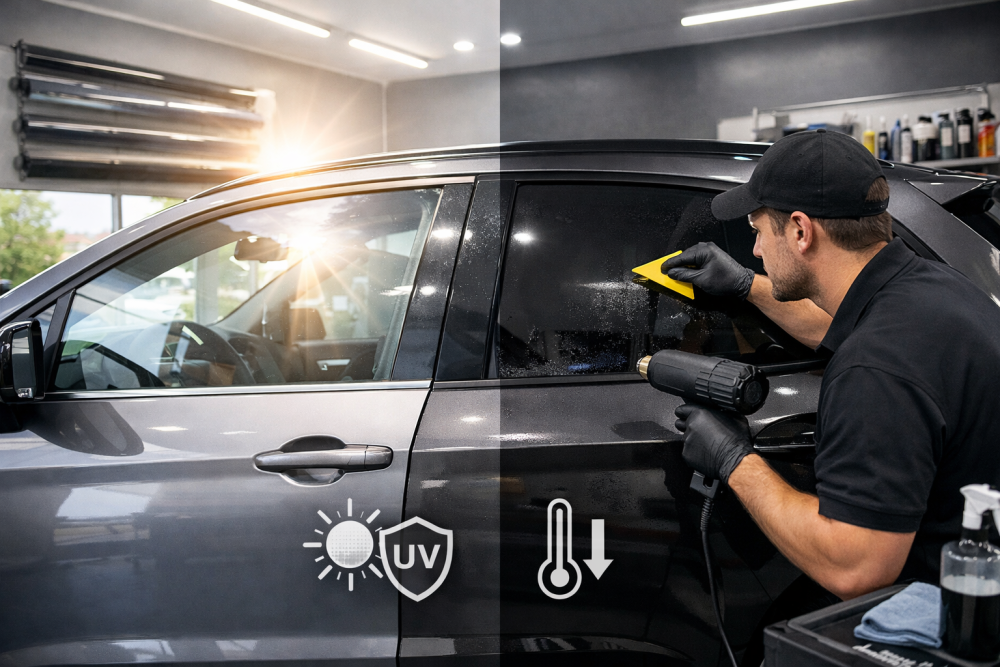
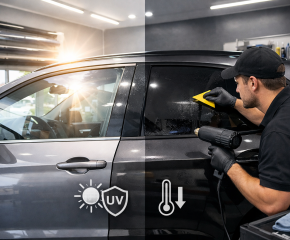
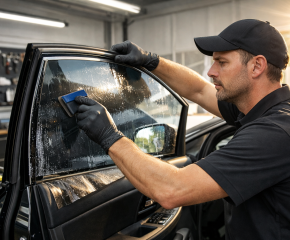
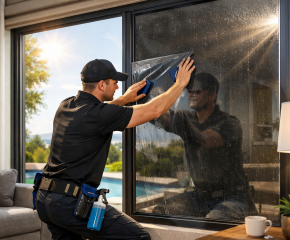
Professional window tinting services provide a comprehensive, end-to-end solution designed to ensure long-term durability and legal compliance. Typically, a standard package includes a personalized consultation to select the right film shade, thorough glass preparation to remove debris, and a precision window tint installation using high-quality polyester or ceramic films.
Leading providers like TNT Tinting also include meticulous heat-shrinking for a seamless fit and a final inspection to guarantee no bubbling or peeling. Beyond the application itself, professional services often provide a manufacturer’s warranty and guidance on local tint laws, ensuring your vehicle remains both stylish and street-legal.
A Closer Look at Professional Window Tinting Services
Understanding the full scope of high-quality car window tinting requires looking beyond the darkened glass. A professional service is a technical process that merges aesthetics with functional engineering to protect both the vehicle and its occupants.
What Actually Works for Window Tint Installation (and Why)
The effectiveness of a tint job relies on the quality of the film and the environment in which it is applied. Professional shops operate in climate-controlled, dust-free bays to prevent contaminants from being trapped under the film.
- Precision Cutting: Using computer-cut technology ensures the film fits your specific make and model perfectly, avoiding the jagged edges common in DIY kits.
- Heat-Shrinking: Professionals use specialized heat guns to "shrink" the film to the exact curvature of the glass, a critical step for rear windows.
- Adhesion Science: High-grade adhesives ensure the film stays bonded for years without turning purple or bubbling.
To see the difference in materials used, you can explore the various window tint packages available to find a match for your performance needs.
What Influences the Right Choice in Auto Window Tinting
Choosing a tint isn't just about how dark you want the windows. Several technical factors dictate the "right" choice:
- Heat Rejection (TSER): Ceramic films offer superior Total Solar Energy Rejection compared to standard dyed films.
- UV Protection: Quality services prioritize films that block 99% of harmful UV rays, preserving your car’s interior.
- Legal Compliance: Technicians help you navigate local VLT (Visible Light Transmission) percentages to keep you within the law.
Where Most People Get It Wrong with Window Tinting Cost
Many car owners prioritize the lowest window tinting cost without considering the "cost-per-year." Budget tints often use cheap dyes that fade or delaminate within 12 to 24 months. A professional service may have a higher upfront price, but it includes expert labor and a lifetime warranty, ultimately saving money by eliminating the need for removal and re-application. True value lies in a service that provides long-term clarity and heat protection rather than just a temporary dark look.
What You Need to Know Before You Decide
Selecting the right professional service involves more than picking a shade of black. To ensure your investment provides lasting value, consider these essential factors regarding performance and long-term care.
- VLT and Local Compliance: Every state has specific laws regarding Visible Light Transmission (VLT). Professionals will guide you on the legal percentages for your front, side, and rear windows to avoid costly fines.
- Film Composition: While dyed films are budget-friendly, carbon and ceramic options provide significantly higher heat rejection and will not interfere with GPS or cellular signals.
- The Curing Period: After a window tint installation, you must refrain from rolling down your windows for at least 3 to 5 days. This allows the adhesive to bond completely to the glass without shifting.
- Maintenance Requirements: To preserve the film’s integrity, always use ammonia-free cleaners and soft microfiber cloths to prevent scratching or chemical degradation.
If you are ready to move forward, you can contact us to discuss which film type best suits your vehicle's specific glass curvature and your personal privacy needs.
Choosing the Right Option for Your Environment
The ideal car window tinting package depends largely on your local climate and how you use your vehicle. In regions like the Southeast, where high humidity and intense solar heat are constant factors, your choice should prioritize thermal performance over simple aesthetics.
- Intense Heat & High Humidity: For drivers facing sweltering summers, ceramic films are the gold standard. Unlike dyed films, ceramic technology reflects infrared heat, significantly reducing the "greenhouse effect" inside your cabin and lowering the strain on your HVAC system.
- High-Mileage Commuters: If you spend hours on the road, prioritizing 99% UV protection is essential for skin health and preventing the fading of leather or vinyl interiors.
- Urban Privacy & Security: In densely populated areas, darker car tinting services provide an added layer of security by obscuring valuables from prying eyes and helping to hold shattered glass together in the event of a "smash-and-grab" attempt.
- Strict Regulatory Environments: If you frequently cross state lines, choosing a "spectrally selective" film allows for maximum heat rejection while maintaining a lighter, legally compliant VLT (Visible Light Transmission) percentage.
To ensure your selection matches your specific driving conditions, you can view our airport location map & directions to speak with a local expert in person.
How This Works in Real Projects
In practice, a professional window tinting process is as much about the preparation as it is the application. When a vehicle enters the shop, the first step is a multi-stage decontamination of the glass. Even microscopic dust particles can cause "pitting" or silvering, which compromises both the look and the seal of the film. Professionals use specialized squeegees and filtered water solutions to ensure a surgical-grade surface before the film ever touches the window.
Real-world results show that the "micro-edging" technique, shaving the film to the very top of the roll-down window, is what separates an amateur job from a factory-finished look. This prevents the film from peeling back over time when the window is frequently operated. Over the years, we have observed that clients who invest in professional auto window tinting see a significantly higher resale value for their vehicles because the interior upholstery remains shielded from the "cracking" and "bleaching" effects of sun exposure.
Before committing to a service, it is helpful to understand the financial scope of your specific project. You can request an instant estimate to see how different film technologies and coverage levels fit into your maintenance budget.
Final Thoughts: Making the Right Choice
Professional window tinting services are a strategic investment in your vehicle’s longevity, comfort, and safety. By moving beyond the surface-level aesthetics, a high-quality installation provides essential UV protection and heat rejection that DIY kits simply cannot match. Whether you prioritize privacy, interior preservation, or cooling efficiency, the key is selecting a service that utilizes precision technology and industry-leading materials.
Making an informed decision ensures that you experience the full range of window tinting benefits, from enhanced security to a more comfortable driving experience. When you are ready to enhance your vehicle with a flawless finish, visit TNT Tinting to start your project with the expertise and care your car deserves.
Frequently Asked Questions
How long does the window tinting process take?
Typically, a standard auto window tinting service for a full vehicle takes between 2 to 4 hours. The duration depends on the number of windows and the complexity of the glass curvature. If old film needs to be removed first, the process may take longer to ensure the surface is perfectly clean for the new application.
Can I roll my windows down immediately after installation?
No. After a professional window tint installation, you should wait at least 3 to 5 days before rolling your windows down. This "curing" period allows the adhesive to bond completely to the glass. Operating the windows too early can cause the film to peel or shift, compromising the finish.
Will window tinting interfere with my GPS or cell signal?
It depends on the film type. Traditional metalized films can sometimes interfere with electronic signals. However, modern professional window tinting options, specifically carbon and ceramic films, are non-metallic and non-conductive, ensuring zero interference with GPS, radio, or mobile devices.
What is the best way to clean tinted windows?
To maintain the clarity and lifespan of your film, always use a soft microfiber cloth and a cleaner that is strictly ammonia-free. Ammonia can chemically break down the tint over time, leading to cloudiness or a purple tint. Most professionals recommend simple soapy water or specialized window film cleaners.
How much does professional window tinting cost?
The window tinting cost varies based on the vehicle type and the quality of the film selected. While dyed films are more affordable, ceramic films represent a higher initial investment due to their superior heat rejection and durability. Requesting an instant estimate is the best way to get accurate pricing for your specific needs.
 .
.  .
.