
Recent News


25 November 2026
Legal Visibility: Navigating Hawaii’s Rules for the Front Window Tint Strip
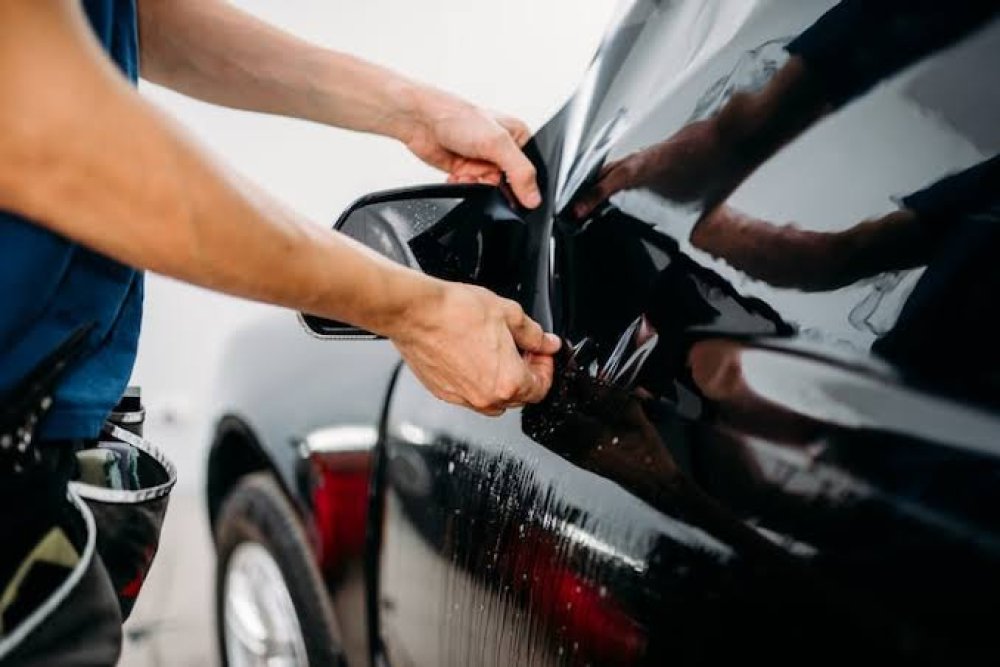
Legal Visibility: Navigating Hawaii’s Rules for the Front Window Tint Strip
Yes, a front window tint strip is completely legal in Hawaii as long as the non-reflective film stays above your windshield’s AS-1 line or within the top four inches of the glass. Blinding morning glare heading east on the H-1 Freeway or afternoon sun reflecting off the ocean can strain your eyes and compromise reaction times, yet installing a strip too low risks failed safety inspections and $250 to $500 fines.
For Oahu drivers and families, understanding Hawaii window tint laws ensures you get immediate glare relief without violating state windshield tint regulations. In this guide, you will learn exact measurement rules, film compliance standards, and how to choose a legal front window tint strip that keeps every drive comfortable and ticket-free.
What Is a Front Window Tint Strip and How Do Hawaii Laws Apply?
A front window tint strip—also known as an eyebrow strip or windshield sun strip—is a narrow band of solar-control window film applied along the uppermost edge of your vehicle’s windshield. Acting like a permanent, transparent sun visor, it blocks blinding low-angle sunlight, reduces eye strain, and cuts harsh overhead glare without obstructing your primary forward field of vision.
For Oahu commuters, parents doing morning school runs, and weekend drivers facing intense tropical sun, glare is more than an annoyance—it is a serious road hazard. Under Hawaii Revised Statutes Section 291-21.5, state front windshield tint laws permit non-reflective sun-screening film along the top edge of the windshield as long as it does not extend below the manufacturer’s AS-1 marking, or more than four inches from the top if no AS-1 line is etched on the glass.
Choosing compliant vehicle tinting protects you from failed annual safety inspections, costly removal fees, and $250 to $500 citations while keeping your cabin noticeably cooler.
Installing a legal front window tint strip delivers immediate everyday advantages:
- Glare Reduction: Cuts blinding sunrise and sunset glare where flip-down factory visors leave gaps.
- UV and Heat Defense: Blocks up to 99% of harmful UV rays and reduces upper-dash heat buildup.
- Inspection Compliance: Stays strictly within state boundaries so your vehicle passes Hawaii safety checks smoothly.
Many drivers assume any darkness or reflective finish is allowed at the top of the glass, or that a car sun visor strip can drop six inches down like on mainland trucks—rules we will clarify next alongside precision products built for Hawaii roads.
How Hawaii’s Windshield Tint Strip Rules Work Step by Step
Getting a front window tint strip installed legally in Hawaii comes down to three clear standards: where the film stops on the glass, what kind of film material is used, and how your vehicle is documented for annual safety inspections.
When you work with experienced specialists for vehicle tinting, every measurement is verified against state law before a single piece of film touches your windshield. Below is a practical, step-by-step breakdown of Hawaii vehicle tint regulations so you can get maximum sun relief without risking citations or inspection delays.
Step 1: Locate Your Windshield’s AS-1 Line or Measure the Top 4 Inches
Hawaii Revised Statutes § 291-21.5 governs legal windshield tint by tying placement directly to federal glazing safety standards. Look closely along the upper left and right edges of your windshield for a tiny etched stamp reading AS-1 accompanied by a small horizontal line or arrow.
Your front windshield tint strip may extend down to that exact AS-1 mark. If your vehicle’s glass does not have an AS-1 line—common on certain older models or aftermarket windshields—state windshield tint regulations cap the strip at four inches measured straight down from the top edge of the glass.
- Practical Note: Avoid guessing or letting an installer drop the film six or seven inches for a "custom" look. During Hawaii’s mandatory annual safety inspection, inspectors check the AS-1 boundary directly, and even a half-inch overhang can result in a failed inspection sticker.
Step 2: Choose Non-Reflective, Non-Metallic Film Materials
Hawaii law strictly prohibits mirrored, metallic, or colored reflective finishes—such as red, yellow, amber, or blue hues—anywhere on a vehicle’s windshield. Your windshield sun strip must use non-reflective, transparent sun-screening film that eliminates glare without bouncing blinding reflections back into oncoming traffic.
Advanced nano-ceramic films are ideal here because they reject harsh infrared solar heat and block 99% of UV rays without relying on shiny metallic layers or interfering with GPS, toll transponders, or advanced driver-assistance cameras mounted near your rearview mirror.
Step 3: Select the Right Windshield Tint Percentage for Driving Comfort
Unlike front driver and passenger side windows—which must allow at least 35% Visible Light Transmission (VLT) with a ±6% variance—Hawaii’s AS-1 zone permits darker, non-reflective sun-screening film above the AS-1 line or top four inches. When choosing a windshield tint percentage, match the shade to your daily driving routes and seating height:
- 5% to 15% VLT: Delivers intense glare reduction for drivers who commute directly into low sunrise or sunset horizons along the H-1, H-2, or Farrington Highway.
- 20% to 35% VLT: Softens bright midday glare while preserving clear upward visibility for overhead traffic signals and highway signs.
Step 4: Verify Compliance Across the Rest of Your Vehicle
Because state inspectors evaluate your entire vehicle together, a compliant eyebrow strip works best when paired with legal tint across every other window. Under updated Hawaii vehicle tint regulations, front side windows on all passenger cars, trucks, and SUVs must maintain at least 35% VLT (±6% variance), while windows behind the driver can be tinted to any darkness as long as the vehicle has dual side mirrors.
Exploring complete automotive protection products allows you to pair your front window tint strip with heat-rejecting ceramic side window film—or even exterior paint protection films—in one coordinated visit.
Step 5: Keep Your Installation Certificate Inside Your Vehicle
After installation, store your compliance certificate inside your glove compartment at all times. Having documentation ready streamlines annual safety checks and demonstrates that your front window tint strip was professionally installed to meet Hawaii statutory standards.
By following these five steps, Oahu drivers can eliminate blinding tropical sun glare while staying 100% compliant with Hawaii’s windshield laws.
Real-World Examples of Front Window Tint Strips on Oahu Roads
Knowing the statute is helpful, but seeing how a front window tint strip works in everyday Oahu driving makes the benefit clear. Here is how local drivers solve common glare and compliance challenges:
- Windward-to-Town Commuter on the H-1 Freeway: A Kaneohe resident driving west every afternoon faced blinding low-angle sun where factory visors left an open gap near the rearview mirror.
By installing a non-reflective ceramic windshield sun strip trimmed precisely to the AS-1 line alongside compliant side products, the driver cut eye fatigue immediately and passed their annual safety inspection without issue.
- Mililani Family SUV Owner: A parent driving a tall family SUV struggled with intense midday glare during school pick-ups and weekend North Shore trips. Adding a car sun visor strip above the four-inch mark blocked harsh overhead UV rays and reduced dashboard heat, keeping the front cabin noticeably cooler without darkening the primary viewing area.
- Used Car Buyer Facing a Failed Safety Check: A Kapolei driver purchased a pre-owned truck with an oversized six-inch eyebrow tint that failed inspection, then had it replaced with a legal front windshield tint strip—eliminating a potential $250-plus citation.
These practical scenarios show that a properly measured front window tint strip delivers safer, more comfortable visibility every Oahu driver can count on.
Pro Tips for Getting the Best Results From a Front Window Tint Strip
Knowing the law is only the first stel tips in mind:
- Confirm Your AS-1 Map—making smart film and installation choices ensures your front window tint strip performs cleanly without affecting safety sensors or inspection results. Keep these four practicarking Before Choosing Film Depth: Never assume every vehicle shares the same windshield height. Have your installer locate the factory AS-1 stamp—or measure strictly four inches down if none exists—so your legal windshield tint passes annual safety checks without trimming or removal.
- Choose Non-Metallic Ceramic Film Around Windshield Sensors: Many modern vehicles house forward collision cameras, lane-keep sensors, and rain detectors behind the rearview mirror. Selecting non-metallic ceramic automotive window tinting prevents signal interference while rejecting intense overhead solar heat.
- Match Shade to Your Seating Height: Taller drivers look closer to the top edge of the glass than shorter drivers. Sitting in your normal driving position before finalizing your windshield tint percentage ensures overhead traffic lights stay clearly visible.
- Protect Factory Frit Dots With Precision Application: Most windshields feature a black ceramic dot-matrix border near the mirror mount. Exploring professional surface protection products installed by experienced technicians prevents silvering or edge lifting over rough texture.
Following these simple guidelines ensures your front window tint strip delivers long-lasting glare comfort, clean aesthetics, and total peace of mind on Oahu roads.
Drive Safer and Stay Compliant With a Legal Front Window Tint Strip
Installing a front window tint strip is one of the easiest, most effective upgrades for blocking blinding Oahu glare—as long as the non-reflective film stays above your windshield’s AS-1 line or within the top four inches of the glass. You now know how Hawaii window tint laws regulate placement, film materials, and annual safety inspection compliance so you can upgrade your vehicle with complete confidence.
Eliminating harsh sunrise and afternoon glare makes every commute safer, cooler, and far more comfortable for you and your family. As Hawaii’s first licensed tinting contractor (C-17113) and a 100% employee-owned company with over 40 years of local experience, T&T Tinting Specialists installs precision legal windshield tint and FormulaOne ceramic automotive window tinting backed by lifetime warranties at our Kaka'ako and Airport showrooms.
Ready to upgrade your visibility with a compliant front window tint strip? Visit our Oahu showrooms or explore our vehicle tinting options to schedule your professional installation today.
Frequently Asked Questions About Hawaii Front Window Tint Strips
How far down can a front window tint strip legally go in Hawaii?
Under Hawaii Revised Statutes § 291-21.5, a front window tint strip may extend down to the windshield’s factory-etched AS-1 line, or up to four inches from the top edge if no AS-1 mark is present. Staying strictly at or above that boundary ensures your vehicle passes mandatory annual Hawaii safety inspections without risking a failed check or traffic citation.
Is there a specific windshield tint percentage limit for an eyebrow strip?
Hawaii law does not restrict the darkness of a windshield sun strip placed above the AS-1 line or top four inches, provided the film is completely non-reflective and free of mirrored or colored finishes. Most Oahu drivers choose 5% to 20% VLT ceramic film to block low sunrise and sunset glare while keeping overhead traffic signals easy to see.
Can I tint my entire front windshield instead of adding a sun strip?
Under front windshield tint laws in Hawaii, clear solar-control film meeting Federal Motor Vehicle Safety Standard 205 (at least 70% VLT combined with the glass) is permitted across the main windshield. However, adding a darker car sun visor strip above the AS-1 line gives targeted glare relief that clear full-windshield film cannot match.
Will a front window tint strip interfere with my car’s safety cameras or sensors?
No, when installed using non-metallic nano-ceramic film, a front window tint strip will not block GPS signals, lane-departure cameras, or rain sensors mounted behind the rearview mirror. Experienced technicians precision-cut around factory sensor housings and apply specialized products so every driver-assistance feature works properly while reducing interior cabin heat.
About the Author
Ryan Malaluan, CAPM®, is an SEO & Content Strategist with over 8 years of experience in SEO, content strategy, and digital marketing. He holds a Bachelor of Arts in Literature and is a Certified Associate in Project Management (CAPM®). Throughout his career, Ryan has worked with brands including Spacer, Airtasker, Marlee (formerly Fingerprint for Success), VEED.IO, and ROSEMET LLC, as well as several digital marketing agencies, helping businesses strengthen their organic visibility through strategic, results-focused SEO and content.
 .
 .