
11 March 2026
Ceramic vs Dyed Window Tint: Which Is Better?
Why Choosing the Right Window Tint Matters in Hawaii
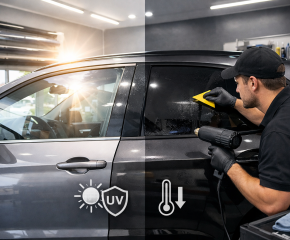
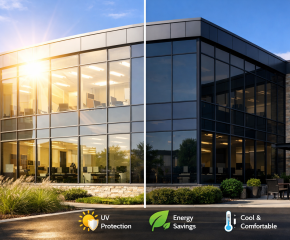
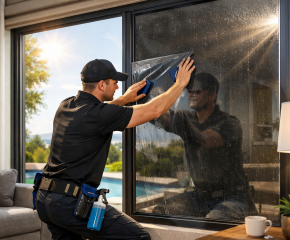
In Hawaii’s intense year-round sunshine, window tint does much more than improve appearance. It plays a critical role in reducing heat, blocking harmful UV rays, and improving comfort inside vehicles, homes, and commercial spaces.
When comparing ceramic vs dyed window tint, many people want to know which option performs best in Hawaii’s tropical climate.
Both types of tint offer benefits, but they use different technologies and deliver different levels of performance.
Understanding the difference between ceramic tint and regular tint helps you choose the best option for your needs, whether you want better heat control, improved privacy, or long-term durability.
If you are considering window tinting, services like TNT Tinting offer professional installation and guidance on selecting the right film.
What Is Dyed Window Tint?
Dyed window tint is one of the most common and affordable types of tint film available.
This type of film contains a layer of dye that absorbs sunlight and reduces glare. The dye gives the window its darkened appearance while helping block some solar heat.
Advantages of Dyed Window Tint
Dyed tint offers several practical benefits:
- Lower installation cost
- Reduces glare from sunlight
- Improves privacy
- Creates a darker window appearance
For drivers seeking dyed car window tint mainly for aesthetics or basic sun protection, dyed film can be a budget-friendly option.
Limitations of Dyed Window Tint
Despite its affordability, dyed tint has some drawbacks.
Common limitations include:
- Lower heat rejection compared to ceramic tint
- Potential fading over time
- Moderate UV protection
In Hawaii’s strong sunlight, dyed tint may gradually fade or discolor after several years.
What Is Ceramic Window Tint?
Many people ask, what is a ceramic window tint?
Ceramic window tint uses advanced nano-ceramic particles embedded within the film. These microscopic particles block infrared heat and ultraviolet rays without using dyes or metal layers.
Because of this technology, ceramic tint offers significantly higher performance compared to traditional tint films.
Professional installers often recommend ceramic tint for maximum comfort and protection.
You can explore different tint film options through resources such as TNT Tinting products.
Ceramic vs Dyed Window Tint: Key Differences
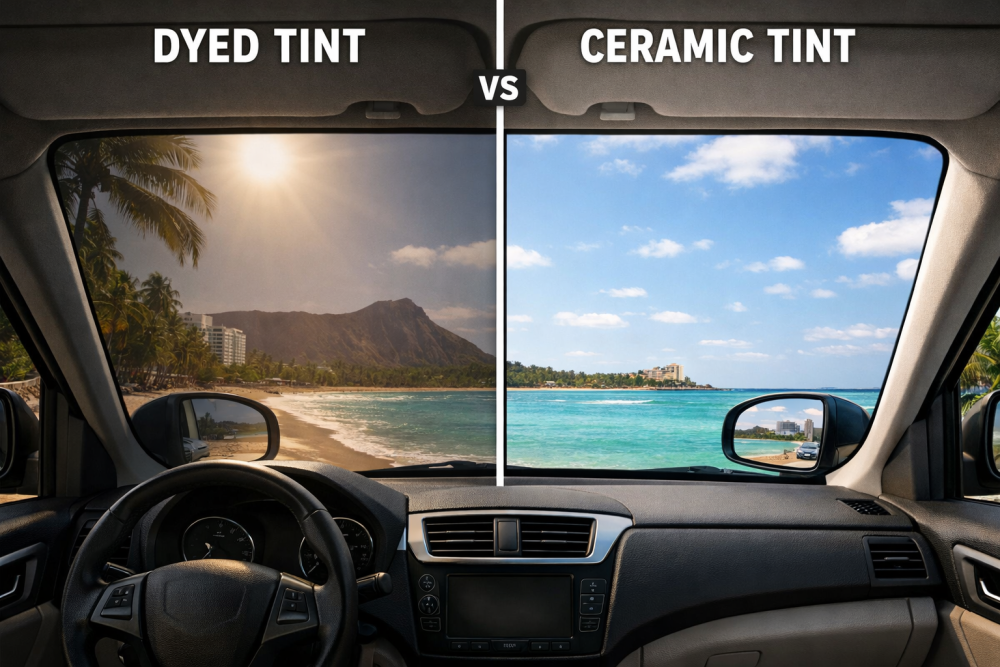
When evaluating ceramic vs dyed tint, several factors determine which option performs better.
Heat Rejection
Heat reduction is one of the biggest differences between ceramic and dyed tint.
Dyed tint absorbs some solar heat but allows more infrared radiation to pass through the glass.
Ceramic tint, on the other hand, blocks a significantly larger portion of infrared heat.
This means ceramic tint keeps interiors cooler, especially in Hawaii’s intense sun.
UV Protection
Both films provide UV protection, but ceramic tint typically performs better.
High-quality ceramic tint can block up to 99 percent of harmful UV rays, which helps protect:
- vehicle interiors
- home furnishings
- skin from UV exposure
In a tropical climate like Hawaii, UV protection is a major benefit.
Durability and Longevity
Sun exposure can cause dyed window tint film to fade or turn purple over time.
Ceramic tint does not rely on dye, which means it maintains its color and performance much longer.
For drivers looking for long-term durability, this is one reason ceramic tint is better.
Visibility and Clarity
Another advantage of ceramic tint is improved optical clarity.
Ceramic films maintain better visibility both day and night while still reducing glare and heat.
Dyed tint can sometimes reduce clarity slightly due to the darker dye layers.
Signal Interference
Some types of window tint films interfere with electronic signals such as GPS, radio, or mobile reception.
Ceramic tint does not interfere with signals, making it compatible with modern vehicles equipped with multiple wireless technologies.
Ceramic Tint Pros and Cons
Understanding ceramic tint pros and cons can help you decide if it is the right choice.
Advantages of Ceramic Tint
- Superior heat rejection
- Blocks up to 99% of UV rays
- Long-lasting durability
- No signal interference
- Improved clarity
Disadvantages of Ceramic Tint
- Higher upfront cost compared to dyed tint
Although ceramic tint costs more initially, many people find the performance benefits worth the investment.
Real-World Examples of Ceramic vs Dyed Window Tint in Hawaii
Daily Driver in Honolulu
A commuter initially chose dyed tint for affordability. However, the vehicle still experienced significant interior heat buildup.
After upgrading to ceramic tint, the driver noticed improved cooling and reduced reliance on air conditioning.
Beachfront Home Windows
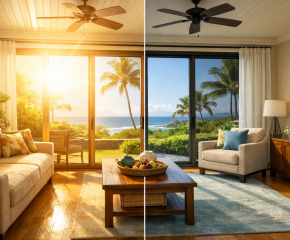
A homeowner installed ceramic window film on large ocean-facing windows.
The film reduced glare, improved indoor comfort, and helped protect furniture from UV damage.
Budget-Friendly Vehicle Tint
A college student selected dyed window tint primarily for privacy and glare reduction.
While the film met those goals, it provided less noticeable heat reduction compared to ceramic tint.
Which Window Tint Is Best for Hawaii?
When choosing between ceramic vs dyed window tint, the best option depends on your priorities.
Dyed Tint May Be Best If
- Budget is the main concern
- You want basic privacy and glare reduction
- Heat rejection is less important
Ceramic Tint May Be Best If
- You want maximum heat rejection
- UV protection is a priority
- Long-term durability matters
- You want premium performance
In Hawaii’s hot climate, many installers recommend ceramic tint for its superior heat control.
If you want help choosing the right tint, you can request professional advice through TNT Tinting’s contact page or get a quick estimate using their instant estimate tool.
Why Professional Installation Matters
Proper installation is essential for both ceramic and dyed tint.
Professional installers ensure:
- smooth, bubble-free film application
- proper tint selection
- compliance with Hawaii tint laws
- long-lasting film adhesion
If you plan to visit a tint shop, directions to the facility can be found here: airport location and directions.
You can also learn more about the benefits of tinting in Hawaii through this article on window tinting in Hawaii and sun protection.
Final Thoughts on Ceramic vs Dyed Window Tint
Both tint types provide benefits, but the ceramic vs dyed window tint comparison highlights major differences in performance.
Dyed tint offers affordability and privacy, making it a practical choice for basic tinting needs.
Ceramic tint delivers superior heat rejection, UV protection, and durability, making it a premium option for Hawaii’s sunny climate.
If comfort, long-term performance, and interior protection are priorities, ceramic tint is often the preferred solution.
Frequently Asked Questions
What is the difference between ceramic tint and dyed tint?
Ceramic tint uses nano-ceramic particles to block heat and UV rays, while dyed tint uses a dye layer to absorb sunlight and reduce glare.
Are ceramic tints worth it?
Yes. In hot climates like Hawaii, ceramic tint provides significantly better heat rejection and durability.
Does dyed window tint fade?
Yes. Dyed tint can fade or discolor over time with prolonged sun exposure.
Does ceramic tint interfere with electronics?
No. Ceramic window tint does not interfere with GPS, radio, or phone signals.
Which tint keeps a car cooler?
Ceramic tint blocks more infrared heat, making it more effective for cooling interiors in sunny environments.
 .
.  .
.