

News 5 March 2026
Window Tinting in Hawaii: Protecting Your Vehicle, Home, and Business from the Island Sun
Window Tinting in Hawaii: Protecting Your Vehicle, Home, and Business from the Island Sun
What Is Window Tinting?
If you live in Hawaii, you understand how intense the sun can be. From vehicles heating up in open parking lots to homes absorbing strong afternoon rays, constant sunlight impacts comfort, energy costs, and interior materials. That is where window tinting becomes essential.
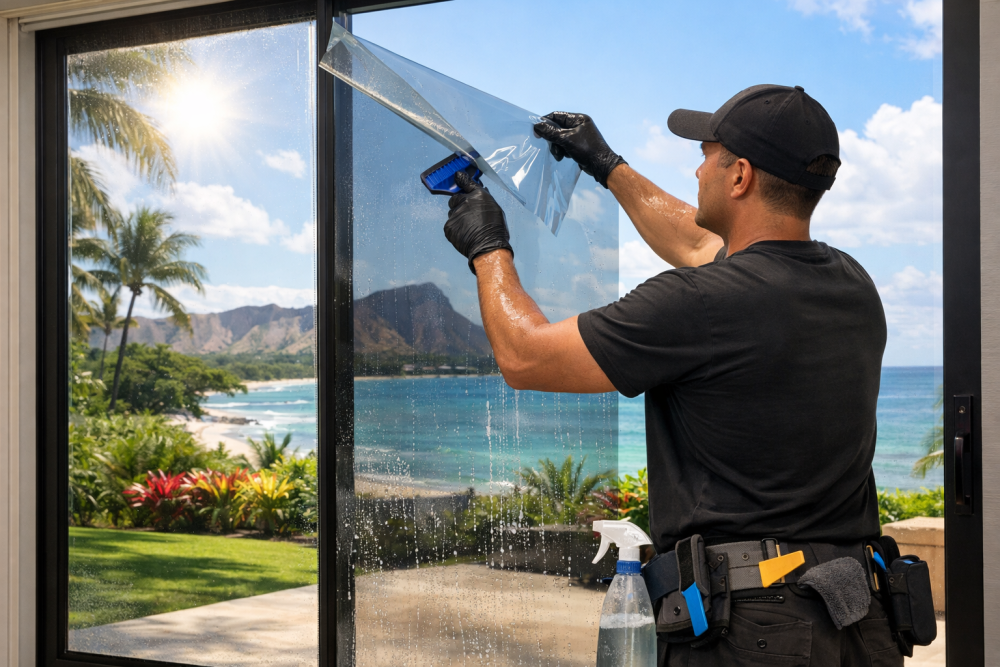
Window tinting is the process of applying a thin, specialized film to glass surfaces to reduce heat, block ultraviolet (UV) rays, minimize glare, and enhance privacy. While many people associate window tinting with cars, it is widely used in residential and commercial properties across the islands.
In Hawaii’s tropical climate, window tinting can help:
- Lower interior temperatures
- Block up to 99 percent of harmful UV rays
- Reduce glare from direct sunlight
- Protect furniture and upholstery from fading
- Improve daytime privacy
- Increase energy efficiency
Understanding how window tinting works allows homeowners, drivers, and business owners to make informed decisions that improve comfort and long-term property protection.
How Window Tinting Works
Modern window tinting films are engineered using multi-layer polyester materials designed to filter solar energy. These layers either reflect, absorb, or disperse specific portions of sunlight, including infrared heat and UV radiation.
There are several types of window films available:
- Dyed films for glare reduction and privacy
- Metalized films for added strength and durability
- Ceramic films for superior heat rejection and clarity
- Security films for impact resistance and glass reinforcement
In Hawaii, ceramic films are especially popular because they reduce heat significantly without darkening visibility excessively. This is important for both comfort and compliance with local regulations.
The effectiveness of window tinting depends on two key factors:
- The quality of the film
- The skill of the installer
Professional installation ensures:
- Smooth, bubble-free application
- Long-term adhesion in humid climates
- Compliance with legal window tint in Hawaii requirements
- Maximum UV and heat rejection performance
When properly installed, window tinting becomes a long-term investment rather than a short-term cosmetic upgrade.
Automotive Window Tinting in Hawaii
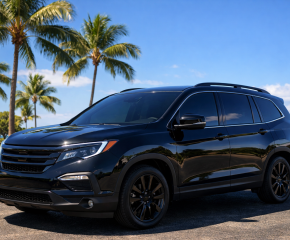
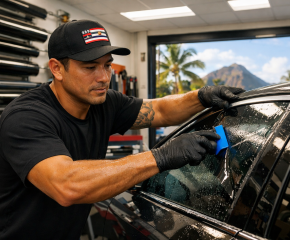
Automotive tinting is one of the most common services across the islands. Vehicles parked under direct sunlight can reach extreme interior temperatures, damaging dashboards, upholstery, and electronics.
Professional window tinting helps drivers:
- Reduce cabin heat buildup
- Protect interiors from cracking and fading
- Minimize glare while driving
- Improve passenger comfort
- Increase privacy and security
For residents searching for affordable window tinting Honolulu, working with experienced professionals ensures both comfort and compliance.
Understanding Legal Window Tint in Hawaii
Hawaii has specific regulations regarding how dark automotive window tint can be. These laws vary depending on:
- Front side windows
- Rear side windows
- Rear windshield
Choosing excessively dark tint may result in fines or required removal. Reputable providers ensure compliance with legal window tint in Hawaii guidelines.
If you are considering darker shades such as dark window tint Hawaii, professional installers can explain what is allowed and recommend options that balance privacy with legal requirements.
For trusted service and guidance, visit TNT Tinting Hawaii
You can also view available film options here: Window Tinting Products
Residential Window Film Installation
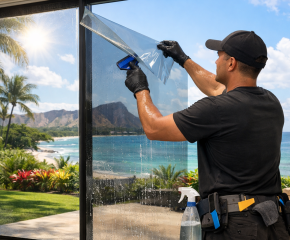
Hawaii homes often feature large windows designed to maximize natural light and ocean views. While beautiful, these windows can significantly increase indoor temperatures and energy consumption.
Homeowners searching for home window film installation near me or residential window film installation near me often want solutions that reduce heat without blocking light.
Benefits of Residential Window Film Installation
Professional residential window film installation provides:
- Lower air conditioning costs
- Reduced fading of flooring, artwork, and furniture
- Improved indoor comfort
- Enhanced daytime privacy
- Glare reduction on TVs and devices
High-quality films remain nearly invisible from inside, preserving your view while filtering heat.
For homeowners seeking custom window film installation near me, experienced technicians can recommend tailored solutions based on window size, orientation, and sun exposure.
In Hawaii’s year-round sunshine, residential tinting is not just a luxury. It is a practical upgrade that supports energy efficiency and interior preservation.
Commercial Window Tinting Solutions
Businesses across Honolulu and the Hawaiian Islands rely on window tinting to create more comfortable, energy-efficient workspaces.
Commercial window film helps:
- Improve employee comfort
- Reduce cooling expenses
- Protect merchandise from UV damage
- Enhance building aesthetics
- Increase privacy for office spaces
Retail storefronts benefit from reduced glare, allowing displays to remain visible without harsh sunlight washing out interiors.
Hotels, office buildings, and medical facilities often install decorative or frosted films for privacy and branding. These solutions combine functionality with design.
Companies such as Hawaiian Island Glass Tinting have demonstrated how professional-grade installation enhances both performance and appearance in commercial settings.
Safety and Security Window Films
Beyond heat and glare reduction, window tinting can reinforce glass strength.
Security films are thicker and designed to hold shattered glass together in the event of:
- Break-ins
- Accidental impacts
- Tropical storms
In Hawaii, where storm conditions can occur seasonally, security films offer additional peace of mind.
These films do not make glass unbreakable, but they significantly reduce the risk of dangerous glass shards spreading throughout a room.
Real-World Applications of Window Tinting in Hawaii
Understanding the value of window tinting becomes clearer when applied to everyday scenarios.
Honolulu Daily Driver
A commuter dealing with excessive heat inside their vehicle chose professional tint installation. After service, the vehicle maintained noticeably cooler interior temperatures, reducing air conditioning strain and improving driving comfort.
For drivers comparing providers such as Tint Zone Auto Center, professional installation quality and warranty coverage remain key considerations.
Beachfront Homeowner
A homeowner with west-facing windows experienced fading furniture and high cooling costs. After scheduling residential window film installation near me, UV exposure dropped significantly, and energy usage improved.
The result was better indoor comfort without sacrificing ocean views.
Local Retail Store
A Honolulu boutique struggled with glare affecting window displays. Commercial tinting reduced glare while maintaining clear visibility from the outside, improving both aesthetics and product presentation.
Understanding Window Tinting Costs in Hawaii
Cost varies depending on:
- Vehicle size or window count
- Type of film selected
- Installation complexity
- Warranty coverage
Automotive pricing differs from residential and commercial projects. While some may search for the lowest price, quality installation often determines long-term satisfaction.
Cheap films may bubble, discolor, or peel prematurely in Hawaii’s humid climate. Investing in professional-grade materials ensures durability.
If you want a quick pricing estimate, use: Instant Tint Estimate
For directions to a convenient service location, visit: Airport Location Map & Directions
Why Professional Installation Matters
Attempting DIY window tinting often leads to:
- Air bubbles
- Uneven edges
- Poor adhesion
- Reduced longevity
Professional installers understand:
- Proper glass preparation
- Film alignment techniques
- Local tint compliance
- Hawaii-specific environmental considerations
Experienced technicians ensure your window tinting performs effectively for years to come.
If you have questions or would like to schedule service, contact: Contact TNT Tinting
Why Window Tinting Is a Smart Investment in Hawaii
In Hawaii’s intense sun and warm climate, window tinting delivers measurable benefits.
For vehicles, it protects interiors and improves driving comfort.
For homes, it reduces cooling costs and protects furnishings.
For businesses, it creates more comfortable and energy-efficient environments.
Window tinting enhances appearance, increases privacy, and strengthens glass surfaces while reducing harmful UV exposure.
Whether you are exploring affordable window tinting Honolulu, researching custom window film installation near me, or evaluating options for your vehicle or home, professional installation ensures reliable performance.
In a climate defined by sunshine, window tinting is not simply cosmetic. It is a practical, long-term solution that improves comfort, protects property, and enhances daily living throughout Hawaii.
Frequently Asked Questions About Window Tinting
What is window tinting?
Window tinting involves applying a specialized film to glass surfaces to reduce heat, block UV rays, minimize glare, and enhance privacy.
Is window tinting legal in Hawaii?
Yes, but there are specific regulations regarding how dark automotive tint can be. Professional installers ensure compliance with local laws.
Does window tinting significantly reduce heat?
High-quality films can reduce infrared heat substantially, improving interior comfort in vehicles and buildings.
How long does window tinting last?
Professionally installed window tinting typically lasts 10 to 15 years or longer, depending on film quality and exposure conditions.
Can window tinting lower energy bills?
Yes. By reducing solar heat gain, window tinting decreases reliance on air conditioning, which can lead to lower energy costs in Hawaii’s warm climate.
 .
.  .
.