11 March 2026
Types of Window Tint: A Complete Guide to Choosing the Right Film
Why Choosing the Right Window Tint Matters in Hawaii
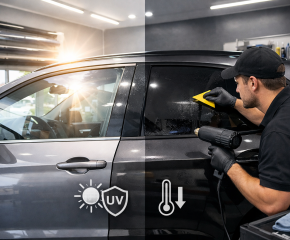
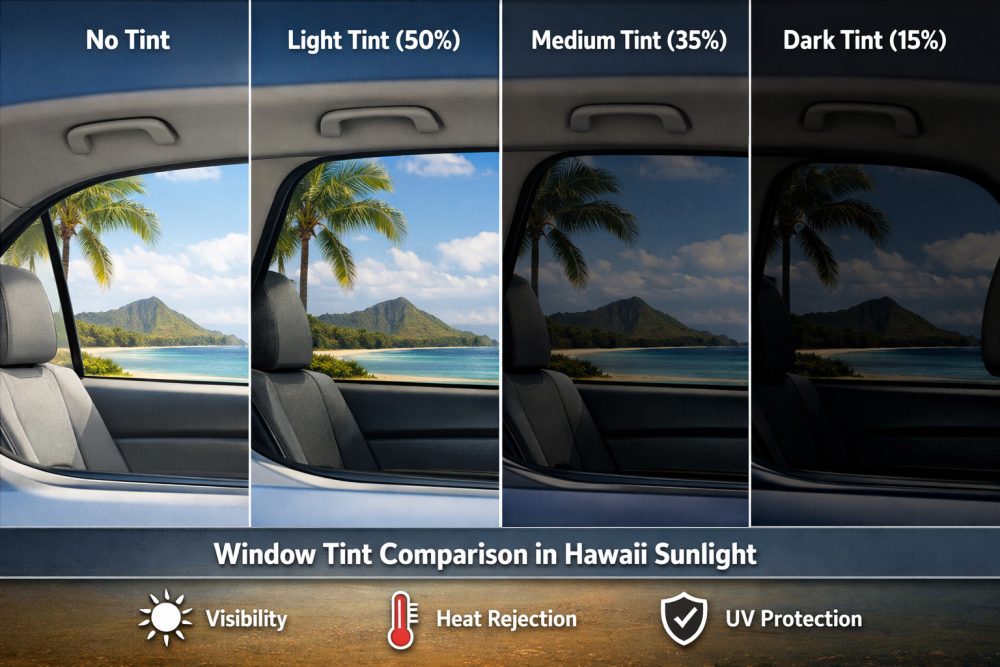
In Hawaii’s warm, sunny climate, window tinting provides more than just a sleek appearance. It improves comfort, protects interiors from sun damage, and helps regulate vehicle temperature.
However, not all tint films perform the same. There are several types of window tint, each designed with different materials and performance levels.
Understanding the different types of car window tint helps drivers and property owners choose the right solution based on:
- Heat reduction needs
- UV protection requirements
- Privacy preferences
- Budget considerations
- Long-term durability
Selecting the correct car tint film types is especially important in Hawaii, where year-round sun exposure can quickly affect vehicle interiors and driving comfort.
This guide explains the most common window tint film types and how they perform in real-world conditions.
Understanding the Main Types of Window Tint
There are several widely used types of auto window tinting films available today. Each option offers different benefits in terms of cost, durability, and heat rejection.
Dyed Window Tint Film
Dyed film is one of the most affordable types of window tint available.
This film uses a layer of dye to absorb solar heat and reduce glare. It also provides a darker appearance for increased privacy.
Pros
- Affordable price point
- Reduces glare from sunlight
- Improves privacy
- Provides a dark appearance
Cons
- Lower heat rejection compared to premium films
- May fade over time in intense sunlight
Dyed tint works well for drivers looking for basic glare reduction and privacy at a lower cost.
However, in Hawaii’s strong sunlight, more advanced films may provide better long-term performance.
Metalized Window Tint Film
Metalized tint contains microscopic metallic particles embedded within the film.
These particles reflect heat and strengthen the window glass.
Pros
- Good heat rejection
- Increased durability
- Reinforces window strength
Cons
- May interfere with cell phone, GPS, and radio signals
- Slightly reflective appearance
Metalized tint remains a popular option among types of tinted car windows, though signal interference can be a drawback for some drivers.
Carbon Window Tint Film
Carbon tint is a more advanced option among types of car tint.
Instead of dye or metal particles, this film uses carbon particles to block infrared light and heat.
Pros
- Strong heat rejection
- Matte finish appearance
- No signal interference
- Long-lasting color stability
Cons
- Higher cost than dyed film
Carbon film is often recommended for Hawaii drivers who want better heat control without the reflective look of metalized films.
Ceramic Window Tint Film
Ceramic tint is widely considered the best type of auto window tint available today.
It uses advanced nano-ceramic technology to block solar heat and UV radiation without affecting visibility.
Pros
- Superior heat rejection
- Blocks up to 99% of harmful UV rays
- No interference with electronic signals
- Extremely durable
- Clear visibility from inside the vehicle
Cons
- Higher upfront cost
Because of its performance in extreme sunlight, ceramic tint is especially popular in Hawaii.
Many drivers choose ceramic films for maximum comfort and long-term protection.
You can learn more about the benefits of window tinting in Hawaii’s climate in this resource: Window Tinting Benefits: Why Tinting Makes Sense in Hawaii’s Climate.
Hybrid Window Tint Film
Hybrid window tint combines dyed and metalized layers to balance performance and cost.
This combination improves heat rejection compared to dyed films while remaining more affordable than ceramic options.
Pros
- Balanced heat reduction
- More affordable than ceramic tint
- Improved durability over dyed film
Cons
- Slight reflective appearance
- Performance varies by manufacturer
Hybrid tint is often chosen by drivers looking for mid-range performance and pricing.
Security and Safety Window Film
While not always categorized with standard car tint film types, security films serve a different purpose.
These films are thicker and designed to reinforce the glass.
Benefits
- Helps hold shattered glass together
- Adds protection during storms
- Deters break-ins
Security films are often installed in homes, commercial properties, and certain vehicles.
Real-World Examples of Window Tint Use in Hawaii
Understanding the types of window tint becomes easier when applied to real situations.
Daily Commuter in Honolulu
A driver dealing with strong sunlight and traffic heat chooses ceramic tint for maximum heat rejection and comfort.
Coastal Homeowner
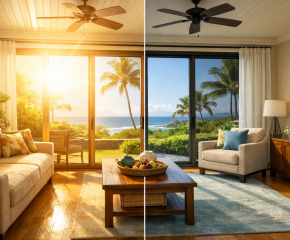
A homeowner with large ocean-facing windows installs carbon film to reduce glare while maintaining a natural appearance.
Retail Storefront
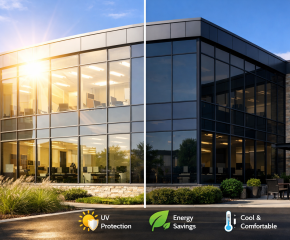
A business installs a combination of tint and security film to reduce glare while improving glass durability.
These scenarios demonstrate how the right types of window tint depend on individual goals and environmental conditions.
How to Choose the Best Type of Window Tint
Selecting the right tint film depends on your priorities.
For maximum heat reduction
Ceramic tint provides the highest level of heat and UV protection.
For a budget-friendly option
Dyed films offer privacy and glare reduction at a lower price.
For balanced performance
Carbon or hybrid films provide solid heat rejection without the premium price of ceramic tint.
For security protection
Security films add durability and protection against glass breakage.
If you're unsure which film is best, consulting with professionals can help you evaluate available options.
You can explore available products and services here:
Why Professional Installation Matters
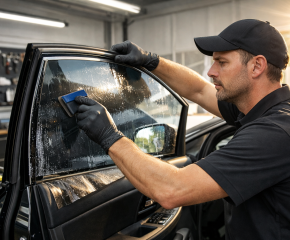
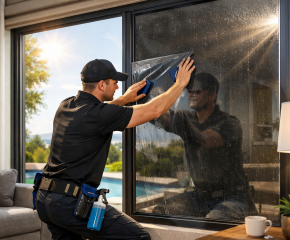
Regardless of which types of window tint you choose, proper installation is essential for performance and longevity.
Professional installers ensure:
- Bubble-free application
- Smooth film alignment
- Proper curing and adhesion
- Compliance with Hawaii tint regulations
Working with experienced installers ensures the film performs as intended under Hawaii’s intense sunlight.
If you’re considering professional installation, you can learn more or schedule a consultation here:
Frequently Asked Questions About Types of Window Tint
What are the main types of window tint?
The most common types of window tint include dyed, metalized, carbon, ceramic, hybrid, and security films.
Which type of window tint is best for cars?
Ceramic tint is often considered the best type of auto window tint due to its superior heat rejection and UV protection.
Does metalized window tint interfere with signals?
Yes. Because it contains metallic particles, metalized tint can sometimes interfere with GPS, radio, and cell signals.
Is carbon window tint better than dyed film?
Yes. Carbon film typically provides better heat rejection and longer-lasting color stability than dyed tint.
Is professional installation necessary for window tint?
Yes. Professional installation ensures proper film adhesion, prevents bubbling, and ensures compliance with local tint laws.
 .
.  .
.